PVC and wood are two top choices for Küchenschränke, each with unique benefits.

PVC is affordable, low-maintenance, and durable, while wood offers timeless beauty, strength, and customization.
This guide will help you choose the right material by balancing aesthetics, cost, durability, Und Wartung.
What is PVC Kitchen Cabinets?
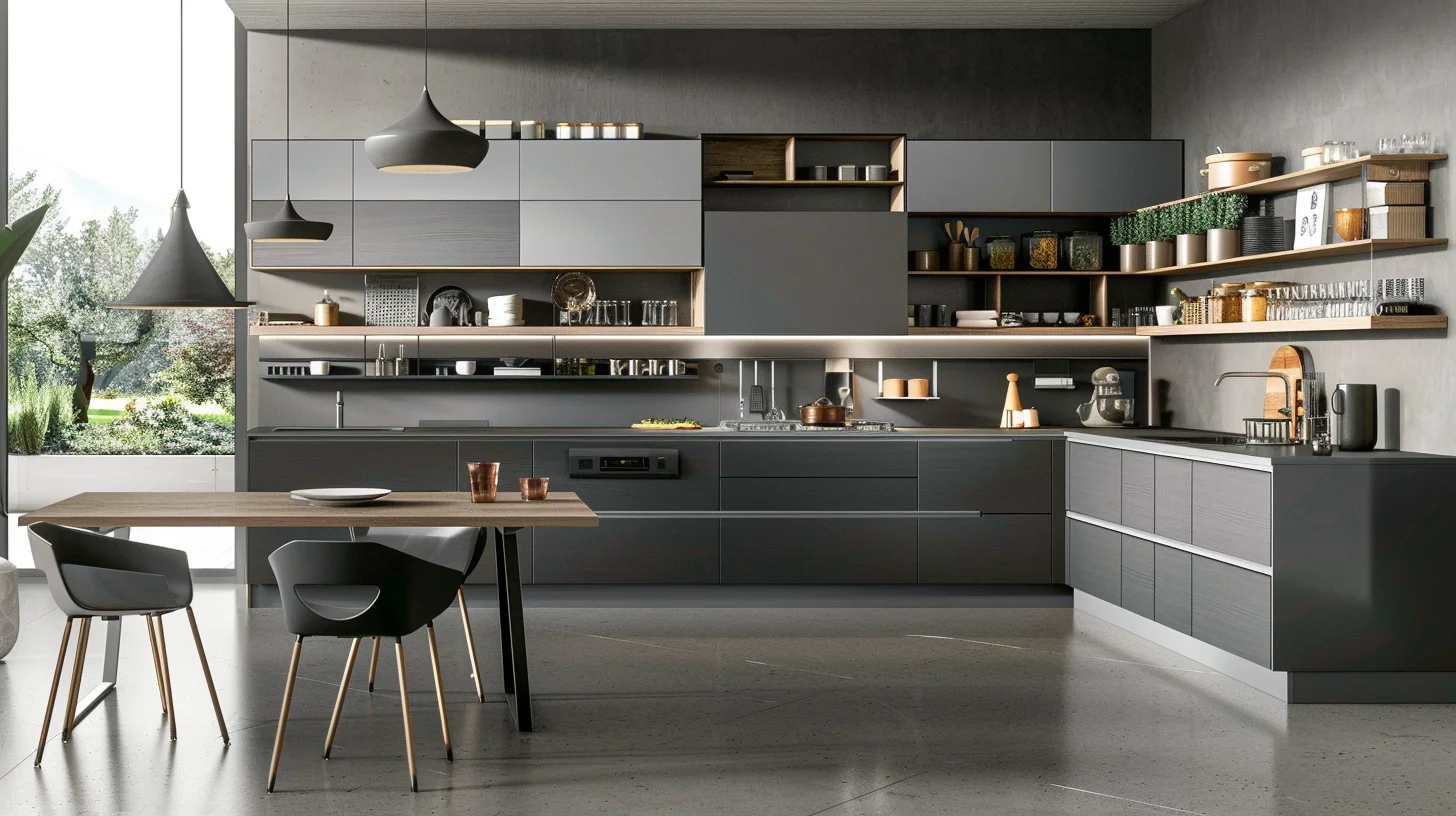
PVC kitchen cabinets are made from Polyvinyl Chloride, a lightweight plastic material available in hollow Und foam board variants.
They are widely used in modular kitchens due to their low cost, waterproof nature, and easy maintenance.
PVC Kitchen Cabinets: Pros & Cons
What is Wood Kitchen Cabinets?
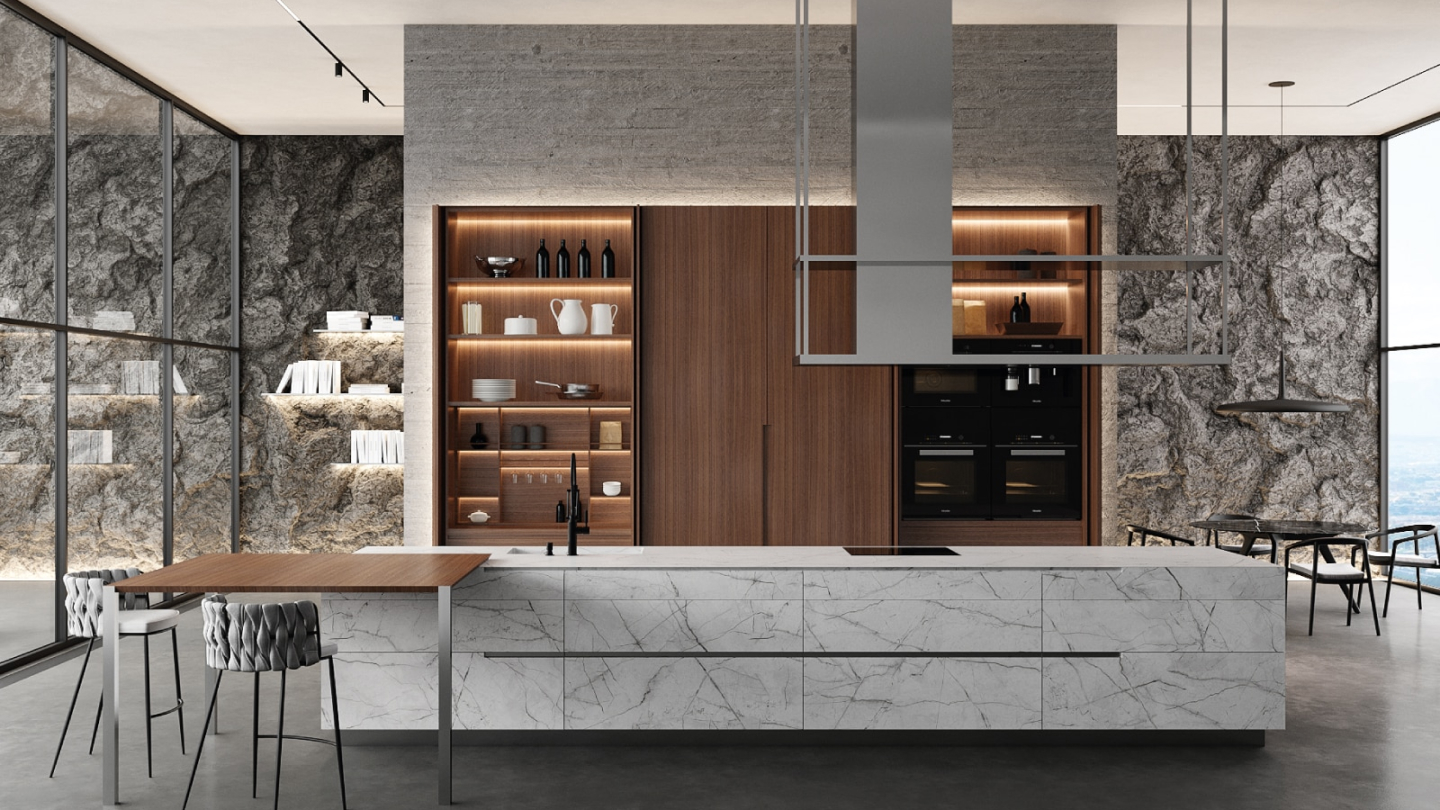
Wood kitchen cabinets offer classic beauty and strength, with options like Teak, Mahagoni, Und Kiefer für langanhaltende Attraktivität.
Sperrholz is stable and budget-friendly, while MDF is smooth but less moisture-resistant—each suits different needs and styles.
Wood Kitchen Cabinets: Pros & Cons
Detailed Comparison: PVC vs Wood Cabinets

When it comes to choosing the best material for your kitchen cabinets, PVC Und Holz are the two most popular options.
Both have their unique advantages, so let’s break it down and see how they stack up in key categories!
1. Durability & Moisture Resistance
PVC foam boards Sind waterproof, termite-proof, Und rot-resistant, making them perfect for areas with high moisture. However, PVC hollow boards are not as durable and can warp over time if not carefully maintained.
Holzschränke, especially those made from Sperrholz, are naturally strong and durable. However, wood is susceptible to moisture and can warp or swell if not sealed or treated properly.
Verdict: PVC is better for wet areas; Holz is superior for Langzeithaltbarkeit in dry conditions.
2. Cost & Budget
PVC cabinets are much more affordable, with PVC hollow boards being the most budget-friendly option. Even the higher-quality PVC foam boards are still cheaper than Holzschränke, which are generally more expensive due to the cost of raw materials and finishing.
Holzschränke—especially Massivholz oder marine plywood—can be significantly more costly. However, wood’s natural aesthetic and long-lasting durability can justify the higher upfront investment.
Verdict: PVC ist die budgetfreundlich choice; Holz is better for premium or high-end projects.
3. Aesthetic Appeal & Design Options
Holzschränke are prized for their natural beauty, offering a wide range of customizable finishes, textures, and carvings. The ability to paint, stain, or add unique details gives Holz an unmatched aesthetic advantage.
PVC cabinets Komm herein a variety of colors and finishes, but they lack the ability to customize or add intricate details. While they can be glossy or matte, PVC can’t match the Wärme Und premium look von Holz.
Verdict: Holz wins for its Stil, Wärme, Und premium appeal.
4. Customization & Flexibility
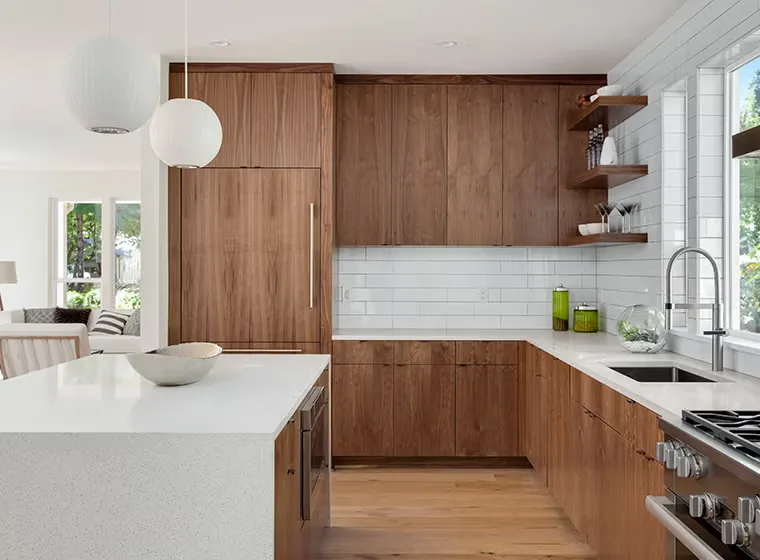
Holz can be easily cut, carved, and shaped into virtually any design, making it perfect for custom kitchen layouts. Whether you want intricate carvings or simple, sleek lines, Holz allows for a wide range of options.
PVC is more restrictive, coming in predefined board sizes and limited shapes. Once installed, PVC is harder to modify, which can be a disadvantage for those seeking a highly customized design.
Verdict: Holz is far superior for individuelle Designs.
5. Maintenance & Cleaning
PVC cabinets are very wartungsarm, requiring only a quick wipe with a damp cloth to keep them looking clean. They don’t absorb stains or dirt, making them an easy option for busy kitchens.
Holzschränke, while beautiful, require regular maintenance to prevent moisture damage and wear. Staining, polishing, and sealing are necessary to keep Holz in top condition.
Verdict: PVC wins for hassle-free maintenance.

6. Termite and Pest Resistance
PVC Ist naturally termite-proof Und pest-resistant, making it an ideal choice for areas where termites are a concern. This durability ensures PVC cabinets won’t be affected by pests over time.
Holz, if untreated, can easily attract termites and other pests. To protect Holzschränke, you’ll need chemical treatments or laminates to prevent pest damage.
Verdict: PVC is the clear winner in pest-prone areas.
7. Environmental Impact & Sustainability
Holz is biodegradable and, if responsibly sourced, can be a very nachhaltig option. Using FSC-zertifiziert oder Altholz can make wooden cabinets an eco-friendly choice.
PVC, on the other hand, is plastic-based and non-biodegradable, and its production emits more carbon. While PVC is recyclable, it doesn’t offer the same sustainability as Holz.
Verdict: Holz is better for eco-conscious homeowners.
Which Material is Right for You?

Choosing the right material for your kitchen depends on several factors, including Budget, design preferences, Und Wartung Bedürfnisse.
Here’s a quick guide to help you decide:
- PVC: Am besten für budget-conscious homeowners and modern, minimalistische Designs.
- Holz: Ideal for those seeking langfristige Investition Und traditionell, rustikal, oder Luxus kitchens.
- Consider how much Wartung you’re willing to put in and the wear your kitchen endures.
By considering these aspects, you can confidently choose the material that best fits your lifestyle and kitchen goals.
FAQs
1. Can PVC be repaired if it scratches?
Während PVC is resistant to most damage, scratches can be difficult to repair. Unlike Holz, which can be sanded Und re-stained, PVC may require full replacement of affected panels if scratches become noticeable.
2. Can I paint PVC kitchen cabinets?
PVC cabinets generally do not need painting as they come in a variety of colors and finishes. However, if you want to update their appearance, special primers and paints can be used to paint PVC, though the finish may not last as long as Holz.
3. What’s the lifespan of wood kitchen cabinets?
Holzschränke can last decades with proper care and maintenance. Massivholz is particularly durable, but exposure to moisture Und Luftfeuchtigkeit can shorten its lifespan if not regularly treated and sealed.
Abschluss
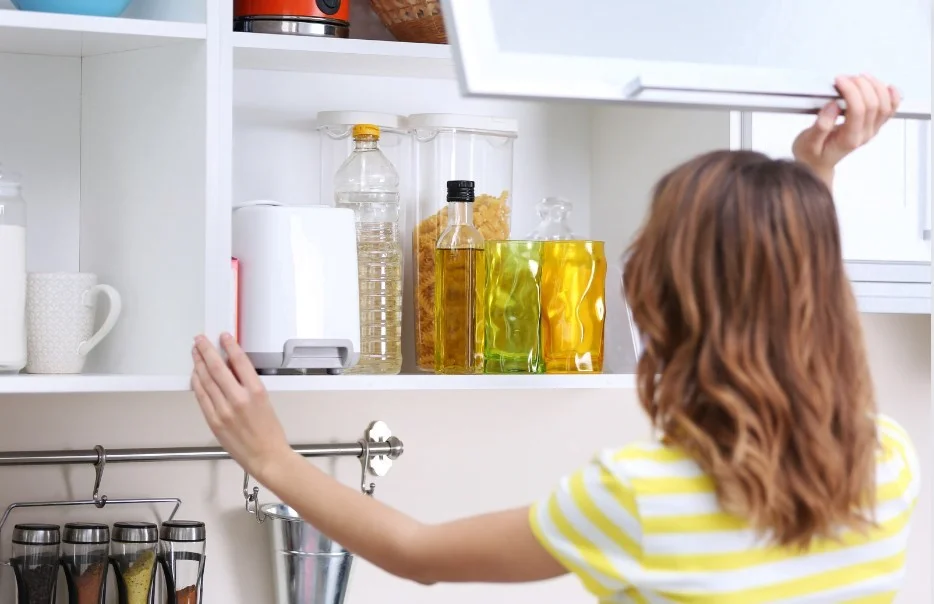
PVC offers an affordable, wartungsarm option, while Holz provides timeless beauty Und Haltbarkeit with higher costs and more upkeep. Choose PVC for budget-friendly, modern designs or Holz for classic elegance and long-term investment.
Consult a professional for personalized kitchen design advice.




 English
  Italian
  French
  German
  Spanish
  Portuguese
  Japanese
  Korean
  Russian
  Arabic
  Thai
Thai  Chinese