Unpacking the ‘Dirty Kitchen’ Phenomenon
The realm of home design is ever-evolving, with each year ushering in fresh concepts. One of the recent buzzwords that might’ve caught your attention is the “dirty kitchen.” But hold on! Before images of stained countertops and grimy floors flash before your eyes, let’s delve deeper into what this truly means.

Why the term “dirty kitchen”?
When you first hear “dirty kitchen,” it may conjure up notions of untidiness or neglect. However, in the world of modern home design, it’s anything but that. The term is actually a nod to the space’s functionality. The “dirty kitchen” is designed to take on the messier, bustling tasks of cooking, ensuring the main kitchen remains pristine and presentable, especially when entertaining guests. Think of it as a behind-the-scenes kitchen where all the culinary magic happens, hidden from the spotlight. This thoughtful design strategy keeps the show kitchen, often in open-concept homes, in impeccable state while the heavy-duty work occurs backstage. So, when discussing the “dirty kitchen,” think less about actual dirt and more about clever design and seamless entertaining.
Dirty Kitchen Designs
Ever wandered through a friend’s home and been taken aback by a separate kitchen space filled with the hustle and bustle of cooking, but completely distinct from the main kitchen? This, my friend, is the magic of the “dirty kitchen.” While the name might sound a tad unappetizing, the concept is all about functionality. It allows serious entertainers to cook up a storm without wreaking havoc in the primary kitchen area. Various designs cater to different preferences, from rustic to lavish, ensuring every homeowner finds a layout that resonates with their style and needs.

Exploring Diverse Layouts and Innovative Ideas
The beauty of the dirty kitchen lies in its adaptability. Some homeowners lean towards a minimalist design, focusing solely on the essentials. In contrast, others go all out, equipping the space with top-notch appliances and even seating arrangements for casual dining. Open shelves for a quick grab, a roomy island for prepping, and maybe an indoor BBQ grill for those who love a good barbeque. Design it so it suits your cooking preferences and how you like to host.
Dirty Kitchen Designs for Small Spaces
Small homes don’t mean missing out on the perks of a dirty kitchen. As city living grows popular, there’s a rising demand for smart designs for tighter spaces. The goal? Make the most of every little space.
Maximizing Utility When Space is Limited
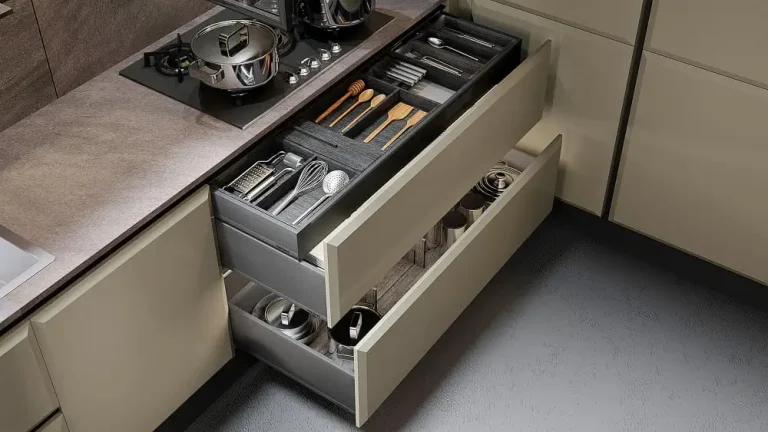
When space is a constraint, ingenious design comes into play. Think vertical storage, sliding drawers, and versatile gadgets. Perhaps a collapsible worktable or pots hung on the wall. Using pegboards for tools or layered shelving can be transformative, ensuring a snug kitchen still feels open and functional.
Modern Dirty Kitchen Trends
Interior design keeps changing, and dirty kitchens aren’t left behind. While they keep their essence— a spot for intensive cooking— their look and feel have diversified.

Modern Kitchens: Where Design Meets Purpose
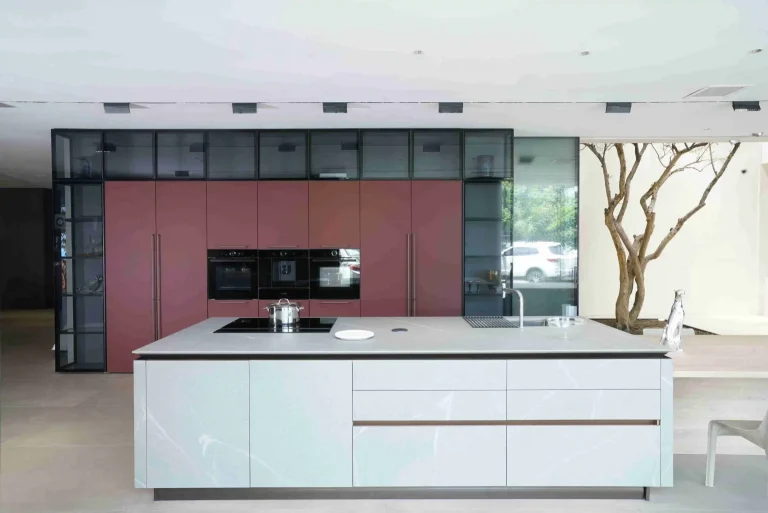
Today’s dirty kitchen isn’t just functional; it’s also a style statement. Envision polished counters, possibly with matte touches, accentuated by metallic hints. LED lights for both task and mood are becoming popular. High-tech devices, controlled by voice or apps, are a new addition, enhancing the cooking journey. Open designs, extending to patios or gardens, are also in vogue, offering more room for gatherings. Simply put, contemporary dirty kitchens merge design with utility, ensuring every meal prep is a delightful, chic experience.
Balancing Between Dirty Kitchen and Clean Kitchen
The home kitchen often wears many hats. It’s a space where families gather, where meals are shared, and memories are made. But with the rising trend of the dirty kitchen, homeowners are now facing a balancing act. How does one maintain the sanctity of the pristine main kitchen while also making the most out of the functional dirty kitchen?
Understanding the Dynamics and Ensuring Optimal Usability
A harmonious household requires an understanding of the roles each kitchen plays. The clean kitchen, often the heart of the home, is where you’ll typically find families enjoying their meals, kids doing their homework on the counter, or friends sipping wine over chitchat. It’s more about aesthetics, ambiance, and lighter preparation tasks. In contrast, the dirty kitchen is the behind-the-scenes hero. It’s where the heavy-duty cooking, frying, and grilling take place. This division ensures that odors, noise, and the chaos of cooking don’t disrupt the main living space. By clearly demarcating the roles, and perhaps even setting some household rules, one can ensure both kitchens serve their purposes optimally.
The Allure of the Small Dirty Kitchen
While expansive dirty kitchens are a dream for many, there’s a growing appreciation for their compact counterparts. Why? Because they’re proving that size doesn’t always matter, especially when functionality and design are in sync.

When Less is More: Focusing on Compact Dirty Kitchen Benefits
Small dirty kitchens are all about efficiency and maximizing space. With fewer square feet to work with, every design choice becomes intentional. This often results in a space that’s meticulously organized, where every tool and ingredient has its rightful place. It promotes workflow, reduces clutter, and, believe it or not, can make the cooking process even more enjoyable. Furthermore, a compact dirty kitchen is quicker to clean, making post-dinner tidying a breeze. For city dwellers or those with cozier homes, the small dirty kitchen doesn’t just become a necessity; it’s a cherished space that brings simplicity and functionality to daily life.
Making the Most of Your Dirty Kitchen
The dirty kitchen, despite its name, doesn’t have to be a cluttered or chaotic space. In fact, with the right approach, it can be a smoothly functioning, aesthetically pleasing extension of your home where culinary magic happens. Here’s how to ensure it serves its purpose while also looking its best.
Tips, Tricks, and Best Practices for Maintainability
Organization is Key: Even if your dirty kitchen is spacious, an organized layout ensures efficiency. Use labeled jars for spices and ingredients, hang your pots and pans for easy access, and invest in drawer dividers for utensils.
Invest in Quality Appliances: Given that the dirty kitchen sees more heavy-duty cooking, having durable appliances can make tasks easier and more efficient. Opt for stainless steel as it’s easier to clean and has a sleek look.
Ventilation Matters: Since this space often handles the brunt of cooking odors and fumes, ensure good ventilation. Installing a quality exhaust fan or range hood is essential.
Easy-to-Clean Surfaces: Choose materials that can be wiped down easily. Tiled countertops, backsplashes, and floors not only look good but also resist stains and spills.
Light It Up: Good lighting makes cooking easier and reduces the risk of accidents. Consider under-cabinet lights or even a central pendant light to brighten up the workspace.

Enhancing the Aesthetics
Consistent Color Palette: While the dirty kitchen is a functional space, it doesn’t mean it can’t be stylish. Choose a color palette that complements the rest of your home.
Add Greenery: Plants can enliven the space and also improve air quality. Consider herbs like rosemary or basil, which are not only decorative but also useful for cooking.
Use open shelves: They open up space. Plus, they’re great for showing off dishes or decor.
Incorporate art: A painting, chic clock, or chalkboard can give personality.
Get floor mats: They’re comfy and can bring color and design to the floor.
Make your dirty kitchen both practical and stylish. It’s not just a backup cooking spot—it’s where you’ll love to be. Tailor it to your taste and how you cook. Simple as that!




 English
  Italian
  French
  German
  Spanish
  Portuguese
  Japanese
  Korean
  Russian
  Arabic
  Thai
Thai  Chinese