When it comes to kitchen cabinets, selecting the right material is crucial.
The material impacts both the durability and the aesthetic of your kitchen.
High-quality materials offer longevity and enhance your kitchen’s style, while less durable options might save money upfront but could lead to costly repairs or replacements later.

This guide is here to help you make an informed decision.
We’ll explore the pros and cons of various kitchen cabinet materials, making it easier for you to find the best fit for your needs, budget, and design preferences.
Quick Comparison of Kitchen Cabinet Materials
| Material | Pros | Cons |
|---|---|---|
| Solid Wood | Durable, timeless beauty, can be refinished | Expensive, prone to warping with humidity |
| Plywood | Strong, lightweight, easy to repair | More costly than other engineered woods, may warp |
| MDF | Smooth finish, ideal for painting, affordable | Less durable, susceptible to water damage |
| Thermofoil | Inexpensive, easy to clean, resistant to moisture | Prone to heat damage, limited lifespan |
| Stainless Steel | Extremely durable, resistant to heat and water | Expensive, industrial look may not suit all kitchens |
| Laminate | Affordable, resistant to stains and scratches | Can chip or peel, lower quality than other materials |
| Particleboard | Very cost-effective, lightweight | Low durability, prone to moisture damage |
Popular Kitchen Cabinet Materials
Choosing the right material for your kitchen cabinets is a crucial step in ensuring they meet your functional and aesthetic needs.
Different materials offer unique benefits and challenges, making it essential to understand what each has to offer.
Below, we explore the most popular materials used for kitchen cabinets, starting with solid wood, renowned for its timeless appeal and durability.
#1. Solid Wood
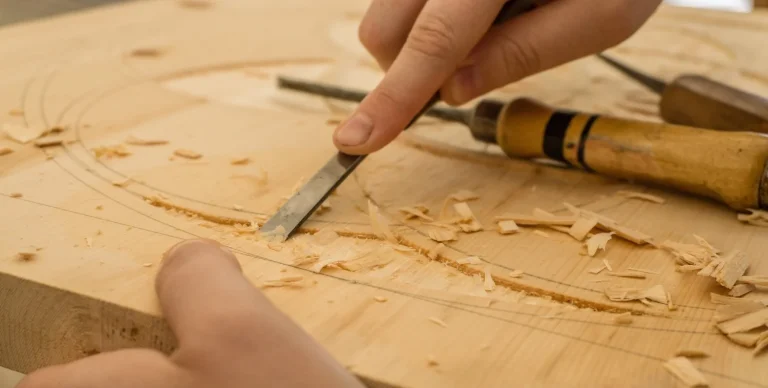
Solid wood is a classic choice for kitchen cabinets, prized for its natural beauty, strength, and long lifespan.
Each piece of wood offers a unique grain pattern, adding character and warmth to your kitchen.
This material can withstand the test of time, both in durability and style, making it a favored option for those looking to invest in long-lasting cabinetry.

Common Types of Wood
- Oak: Known for its strength and distinct grain patterns, oak is a popular choice for traditional and rustic kitchens.
- Maple: With its smooth, fine grain, maple is versatile and can be stained or painted to match various kitchen styles.
- Cherry: Cherry wood darkens with age, developing a rich patina that adds depth and warmth to your kitchen.
- Hickory: This wood is known for its strong, contrasting grain patterns, making it ideal for bold, statement-making cabinetry.
Pros and Cons
| Pros | Cons |
|---|---|
| Durable | Expensive |
| Customizable with stains and finishes | Prone to warping in high humidity |
| Eco-friendly and sustainable | Requires regular maintenance |
Care Tips
- Regular Cleaning: Use a gentle wood cleaner to avoid stripping natural oils.
- Polishing: Periodically polish to maintain the wood’s luster.
- Manage Humidity: Keep humidity levels stable to prevent warping or cracking.
#2. Plywood
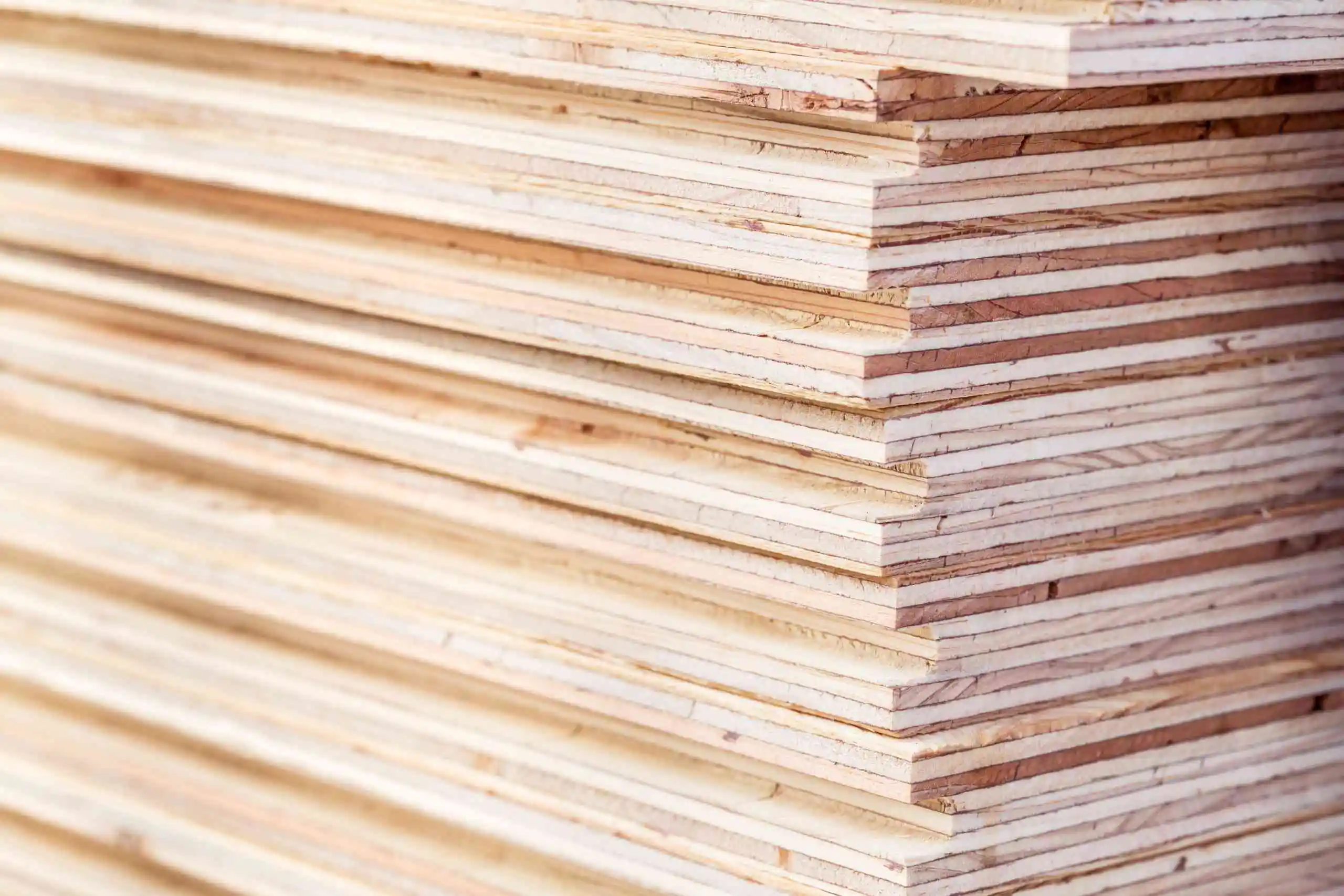
Plywood is a popular choice for kitchen cabinetry due to its lightweight yet strong structure.
Made from thin layers of wood veneer glued together, it offers a good balance between cost and durability, making it ideal for various applications like cabinet boxes and shelves.
Grades and Construction
Plywood is graded from AA to D, with higher grades being smoother and more suitable for visible surfaces.
The cross-laminated layers give plywood its strength and help prevent warping, making it a reliable option for long-term use.
Pros and Cons
| Pros | Cons |
|---|---|
| Cost-effective | Can warp if exposed to excessive moisture |
| Easy to repair | Not as strong as solid wood |
| Moisture-resistant | Lower grades may have knots or voids |
Care Tips
- Avoid Moisture: Prevent prolonged exposure to moisture to avoid warping.
- Regular Cleaning: Wipe with a damp cloth and mild detergent.
- Prompt Spill Cleanup: Clean up spills immediately to protect from moisture damage.
- Ensure Ventilation: Keep the kitchen well-ventilated to reduce moisture buildup.
#3. Medium-Density Fiberboard (MDF)
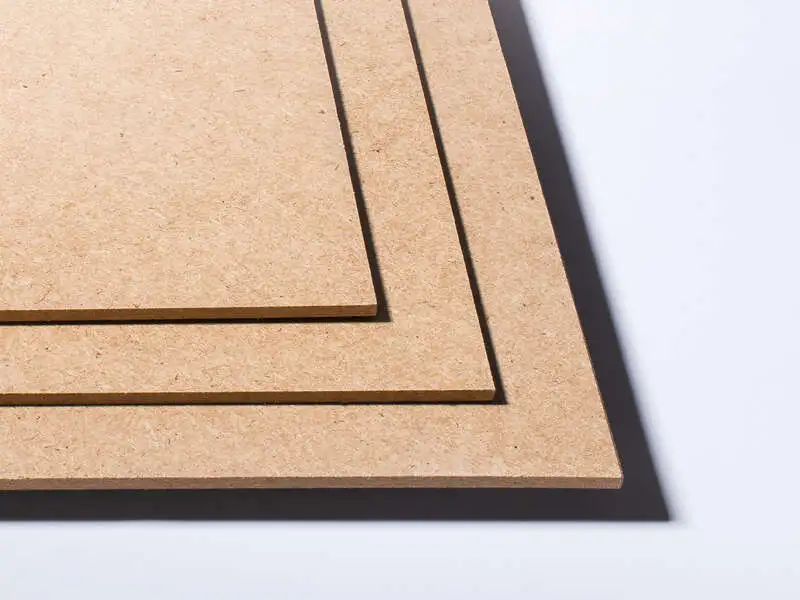
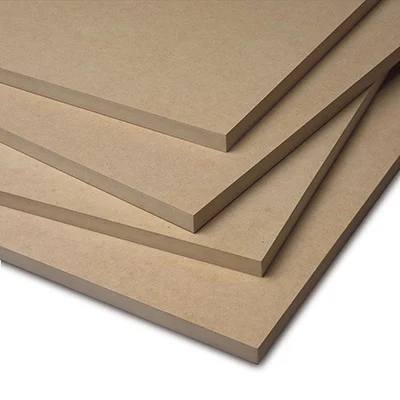
Medium-Density Fiberboard (MDF) is a budget-friendly material commonly used for kitchen cabinets.
Known for its smooth, grain-free surface, MDF is an excellent choice for painted finishes, offering a sleek and uniform look.

When properly sealed, MDF is resistant to heat and moisture, making it suitable for kitchen environments.
However, it’s less durable than solid wood and can be prone to damage if not handled with care, especially in high-moisture areas.
Pros and Cons
| Pros | Cons |
|---|---|
| Affordable | Less durable than other materials |
| Smooth surface, ideal for painting | Sensitive to water, can swell if exposed |
| Termite-resistant | Difficult to repair dents and scratches |
Care Tips
- Seal Edges and Surfaces: Ensure all edges are properly sealed to prevent water damage.
- Avoid Water Exposure: Clean with a damp cloth, avoiding direct water contact.
- Monitor for Damage: Regularly check for signs of swelling or damage, particularly near sinks and dishwashers.
#4. High-Density Fiberboard (HDF)
High-Density Fiberboard (HDF) is a denser, more durable alternative to MDF.
With a composition that offers greater hardness and strength, HDF is often chosen for areas where a sturdier material is required, particularly for cabinet panels.

HDF is ideal for kitchen cabinets in humid environments due to its stability across various climates.
It’s frequently used in high-quality cabinet panels, offering a smooth, paintable surface that resists warping better than MDF.
Pros and Cons
| Pros | Cons |
|---|---|
| Hardness comparable to solid wood | Prone to water damage if not properly sealed |
| Stable in humid and dry environments | Does not hold screws as securely as solid wood |
| Smooth surface, ideal for high-quality finishes | Heavier than MDF, making it harder to handle |
Care Tips
- Proper Sealing: Seal edges to prevent water damage.
- Wipe Down Surfaces: Clean with a damp cloth and keep the cabinets dry.
- Avoid Excessive Moisture: Be especially cautious near water sources.
- Handle with Care: Be mindful of screws to prevent them from loosening over time.
#5. Particleboard
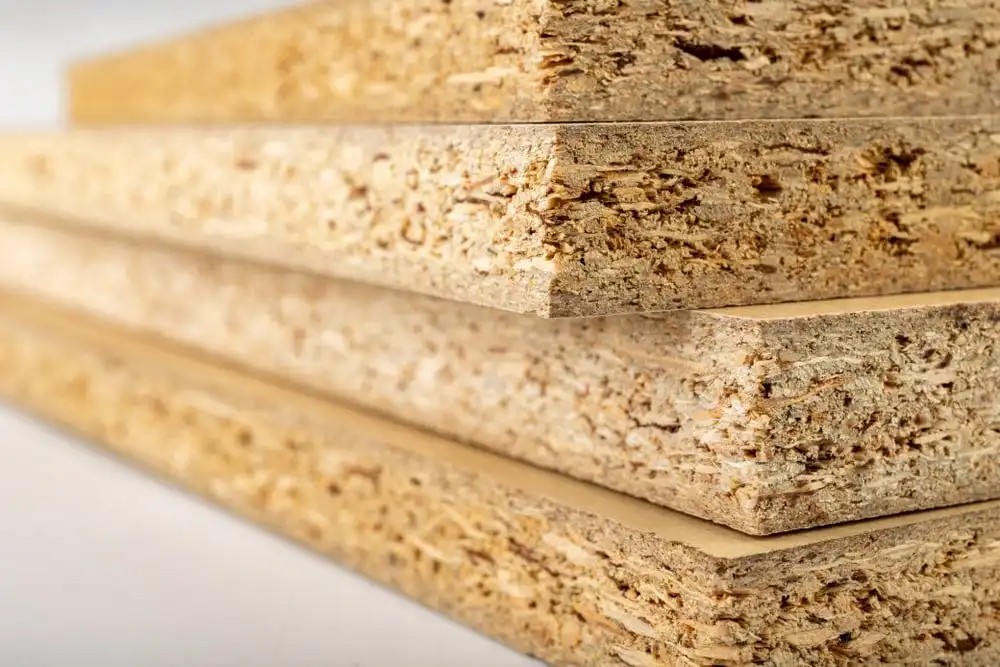
Particleboard is the most affordable option for kitchen cabinets, made from wood chips, sawdust, and resin.
It’s a budget-friendly choice, often used as the core material for cabinets, offering a lightweight yet functional solution for cost-conscious homeowners.

Due to its low cost, particleboard is commonly used for the cores of kitchen cabinets, particularly in areas that won’t bear heavy loads or require significant structural strength.
It’s often finished with a veneer or laminate to improve its appearance and durability.
Pros and Cons
| Pros | Cons |
|---|---|
| Very cost-effective | Poor durability, prone to damage under stress |
| Lightweight and easy to handle | Highly susceptible to moisture damage and swelling |
| Easy to cut and customize | Shorter lifespan compared to other materials |
Care Tips
- Avoid Heavy Loads: Prevent placing heavy items that can cause sagging or breakage.
- Keep Dry: Protect from moisture to prevent swelling and warping.
- Regular Cleaning: Clean with a dry or slightly damp cloth, ensuring no water seeps in.
#6. Laminate
Laminate is a versatile and cost-effective material commonly used for kitchen cabinet surfaces.
It is made by layering paper or fabric with resin and applying heat and pressure to create a durable, decorative surface.
Laminate offers a wide range of colors and patterns, making it a popular choice for those looking to achieve various styles on a budget.

Types
Laminate comes in two primary forms:
High-Pressure Laminate (HPL): Known for its durability, HPL is made by applying intense pressure, making it more resistant to impact and wear. It is the preferred choice for kitchen cabinets that need to withstand heavy use.
Low-Pressure Laminate (LPL): LPL is less durable than HPL and is typically used in lower-traffic areas. It’s more prone to chipping and cracking but is also more affordable.
Pros and Cons
| Pros | Cons |
|---|---|
| Scratch and stain-resistant | Can chip or crack under impact |
| Easy to clean and maintain | Difficult to repair if damaged |
| Wide variety of colors and patterns | LPL is less durable than HPL |
Care Tips
- Gentle Cleaning: Use a soft cloth with mild soap and water for daily cleaning.
- Avoid Abrasives: Steer clear of abrasive cleaners and sharp objects that could scratch or chip the surface.
- Check Edges and Seams: Regularly inspect and repair any signs of wear to prevent further damage.
#7. Melamine
Melamine is a durable and water-resistant material often used in kitchen cabinets.
It’s popular for its ability to withstand daily wear and tear, making it a practical choice for busy households.
Melamine surfaces are typically smooth and come in a variety of finishes, including matte and glossy, providing both aesthetic appeal and functionality.

Construction
Melamine is made by bonding melamine resin to a core material, usually MDF or particleboard.
This process creates a hard, durable surface that is resistant to moisture and heat.
The core material provides structure and strength, while the melamine coating offers protection and a decorative finish.
Pros and Cons
| Pros | Cons |
|---|---|
| Cost-effective | Prone to chipping if struck hard |
| Resistant to moisture and heat | Difficult to repair once damaged |
| Available in various finishes | Can look less natural compared to real wood |
Care Tips
- Regular Cleaning: Wipe with a damp cloth and mild detergent.
- Avoid Harsh Chemicals: Do not use abrasive pads or harsh chemicals that can scratch the surface.
- Minimize Water Exposure: Avoid excessive water, especially along the edges.
- Be Mindful of Impact: Handle with care to prevent chipping or cracking, which can be difficult to repair.
#8. Thermofoil
Thermofoil is a budget-friendly material commonly used in kitchen cabinets, known for its wide range of colors and designs.
It offers a sleek, modern appearance and is often chosen for its affordability and ease of maintenance.
Thermofoil cabinets can mimic the look of painted wood, making them a popular choice for those seeking style on a budget.

Construction
Thermofoil is made by applying a thin vinyl film over an MDF core.
This film is heated and molded to fit the shape of the cabinet door or drawer front, creating a smooth, seamless finish.
The process provides a durable surface that is resistant to moisture and easy to clean.
Pros and Cons
| Pros | Cons |
|---|---|
| Affordable | Sensitive to heat |
| Moisture-resistant | Prone to peeling over time |
| Easy to clean | Limited repair options if damaged |
Care Tips
- Regular Cleaning: Wipe with a soft cloth and mild soap.
- Avoid Harsh Chemicals: Do not use abrasive cleaners or strong chemicals.
- Protect from Heat: Keep away from high heat sources like ovens or stovetops.
- Minimize Sunlight Exposure: Use curtains or blinds to prevent fading or peeling.
#9. Wood Veneer
Wood veneer is a popular choice for those who want the look and feel of solid wood without the high cost.
This material offers a beautiful, natural wood appearance at a more affordable price, making it an economical alternative for kitchen cabinets.

Construction
Wood veneer is created by bonding thin slices of real wood to a core material, such as plywood, MDF, or particleboard.
This process allows the veneer to mimic the appearance of solid wood while using less of the more expensive natural material.
Pros and Cons
| Pros | Cons |
|---|---|
| Beautiful wood appearance | Prone to water damage |
| Less expensive than solid wood | Difficult to repair once damaged |
| Lightweight and easy to work with | Requires careful maintenance to avoid issues |
Care Tips
- Protect from Moisture: Keep wood veneer cabinets dry to prevent water damage.
- Regular Cleaning: Use a soft, damp cloth to clean surfaces, avoiding harsh chemicals.
- Avoid Excessive Wear: Handle with care to prevent scratches and other damage that can be difficult to repair.
#10. Stainless Steel
Stainless steel is a durable and modern material often found in both commercial and contemporary residential kitchens.
Known for its sleek appearance and resilience, stainless steel cabinets add a professional touch to any kitchen space.

Stainless steel is commonly used in commercial kitchens due to its durability and easy-to-clean surface.
It’s also becoming increasingly popular in modern residential kitchens, particularly in homes aiming for a sleek, industrial look.
Pros and Cons
| Pros | Cons |
|---|---|
| Highly durable | Expensive |
| Resistant to stains, rust, and heat | Shows fingerprints easily |
| Easy to clean and maintain | Cold and industrial aesthetic |
Care Tips
- Regular Cleaning: Use a soft cloth with warm water and mild detergent to clean the surface.
- Specialized Cleaners: For a streak-free finish, use cleaners specifically designed for stainless steel.
- Avoid Harsh Scrubbers: To prevent scratching, avoid using abrasive pads or steel wool.
Choosing the Right Material for Your Kitchen
Selecting the right material for your kitchen cabinets goes beyond just durability and cost.
It’s essential to consider how your lifestyle, budget, and aesthetic preferences will influence your decision.
Below, we’ll explore how these factors can guide you toward the perfect choice for your home.

Lifestyle Considerations
Your lifestyle plays a crucial role in determining which kitchen cabinet material is right for you.
Whether you have a bustling household with kids, are a frequent home cook, or prefer a low-maintenance kitchen, there’s a material that fits your needs.
| Lifestyle | Recommended Materials | Reasons |
|---|---|---|
| Families with Kids | Laminate, Melamine, Stainless Steel | Durable, easy to clean, resistant to scratches |
| Frequent Cooks | Stainless Steel, Plywood, Solid Wood | Heat and moisture-resistant, durable |
| Minimalist Homeowners | MDF, Thermofoil, Wood Veneer | Smooth finish, easy to maintain, versatile |
| Eco-Conscious Individuals | Solid Wood, Wood Veneer | Sustainable, natural appearance |
| Busy Professionals (Low Maintenance) | Thermofoil, Laminate, Melamine | Low-maintenance, easy to clean, cost-effective |
Budget Considerations
The cost of kitchen cabinet materials can vary widely.
Understanding where each material falls on the cost spectrum will help you make an informed decision that aligns with your budget.
Stainless Steel > Solid Wood > Plywood > HDF > MDF > Laminate = Melamine = Thermofoil = Particleboard
Note: The above ranking compares the cost of materials alone, without considering design or installation expenses, which can further influence the overall cost of your kitchen cabinets.
Aesthetic Preferences
Your kitchen’s style is a reflection of your personal taste.
Choosing a material that complements your home’s décor is essential for creating a cohesive look.
| Home Décor Style | Recommended Materials | Reasons |
|---|---|---|
| Rustic Charm | Solid Wood, Wood Veneer | Natural, warm tones; the grain and texture of wood bring a cozy, lived-in feel that complements rustic décor. |
| Modern & Industrial | Stainless Steel, Laminate | Bold, sleek finishes; these materials offer clean lines and a polished look that align with contemporary and industrial aesthetics. |
| Minimalist | MDF, Thermofoil | Smooth, unembellished surfaces; perfect for creating a streamlined, functional space without distractions, maintaining a clean, uncluttered look. |
| Traditional Elegance | Solid Wood, Plywood | Rich stain or paint finish; these materials can be customized with intricate details, ideal for a more classic, traditional kitchen style. |
Practical Considerations
After exploring the different materials available for kitchen cabinets, it’s essential to consider how each one will perform in real-life conditions.
Practical considerations like durability, heat and scratch resistance, and the ease of moving or rearranging your cabinets can significantly impact your kitchen’s functionality and longevity.
The following tables provide a clear comparison of these factors, helping you to make an informed decision that aligns with your lifestyle and needs.
Durability and Maintenance
| Material | Durability | Maintenance Tips |
|---|---|---|
| Solid Wood | High | – Regular cleaning and polishing. – Control humidity to prevent warping. |
| Plywood | Medium-High | – Wipe with a damp cloth; avoid soaking. – Address minor damages with sanding and resealing. |
| MDF | Medium | – Seal edges to protect from moisture. – Use a damp cloth for cleaning; avoid excessive water. |
| HDF | High | – Ensure proper sealing. – Keep surfaces dry to avoid water damage. |
| Particleboard | Low | – Avoid placing heavy items. – Keep dry; clean with a dry or slightly damp cloth. |
| Laminate | Medium | – Clean with mild soap and water. – Check edges regularly for wear and repair promptly. |
| Melamine | Medium-High | – Regular cleaning with a mild detergent. – Avoid heavy impacts to prevent chipping. |
| Thermofoil | Medium | – Avoid exposure to high heat. – Clean with a damp cloth and mild cleaner. |
| Wood Veneer | Medium | – Protect from moisture. – Regular dusting and cleaning with a wood-friendly cleaner. |
| Stainless Steel | High | – Use specialized cleaners for stainless steel. – Wipe regularly to avoid fingerprints and smudges. |
Heat and Scratch Resistance
| Material | Heat Resistance | Scratch Resistance | Overall Performance |
|---|---|---|---|
| Stainless Steel | Excellent | High | Highly durable, best for heat-heavy areas. |
| Solid Wood | Moderate | High | Durable but requires care to prevent heat damage. |
| Plywood | Moderate | Medium | Good overall but susceptible to heat damage. |
| HDF | Low | High | Durable in moderate temperatures; avoid excessive heat. |
| MDF | Low | Medium | Sensitive to heat; suitable for low-heat areas. |
| Laminate | Moderate | Medium | Resistant to minor scratches and moderate heat. |
| Melamine | Moderate | Medium | Performs well under moderate conditions. |
| Thermofoil | Low | Low | Prone to heat and scratch damage; suitable for light-use areas. |
| Wood Veneer | Moderate | Medium | Provides good resistance but can be damaged by direct heat. |
| Particleboard | Low | Low | Poor resistance; avoid high-heat and high-traffic areas. |
Weight and Mobility
| Material | Weight | Ease of Moving/Rearranging | Practical Considerations |
|---|---|---|---|
| Solid Wood | Heavy | Difficult to move once installed. | Requires sturdy support; not ideal for frequent changes. |
| Plywood | Medium | Easier to move; manageable weight. | Good balance of durability and mobility. |
| MDF | Medium-Heavy | Difficult but possible to move with care. | Heavier than plywood; plan installation carefully. |
| HDF | Heavy | Challenging to move; sturdy when installed. | Best for permanent installations; requires planning. |
| Particleboard | Light | Easy to move and install. | Susceptible to damage; handle with care during moves. |
| Laminate | Light-Medium | Generally easy to handle and install. | Lightweight, but ensure secure attachment. |
| Melamine | Medium | Manageable weight; care needed during moves. | Handle carefully to avoid chipping. |
| Thermofoil | Light-Medium | Easier to move; relatively lightweight. | Ensure edges are protected during handling. |
| Wood Veneer | Medium | Easy to handle; care required to prevent damage. | Protect veneer surfaces during moves. |
| Stainless Steel | Heavy | Very difficult to move; usually permanent. | Ideal for fixed installations in commercial kitchens. |
Consumer Insights and Recommendations
Understanding real-world experiences can be incredibly valuable when choosing the right kitchen cabinet material.
Insights from discussions on Reddit and other forums reveal what homeowners and DIY enthusiasts have learned through their own projects.

For example, many users praise poplar wood for its affordability and durability, especially when painted.
It’s often recommended for those looking to avoid dents and dings without the higher cost of hardwoods like oak or maple.
However, there’s also a strong preference for hardwoods among users who prioritize longevity and resistance to wear and tear.

On the other hand, MDF and HDF are frequently discussed for their smooth surfaces and suitability for painting.
While MDF is appreciated for its affordability and ease of use, some users caution against its susceptibility to water damage, suggesting it may not be the best choice for high-humidity areas.
HDF, being denser and more durable, is preferred by some for its ability to maintain a stable form in various climates, though it still faces criticism for not holding screws as well as solid wood.

Users with experience in particleboard generally agree that it’s a budget-friendly option, but they highlight its limited durability and tendency to sag under heavy loads.
Conversely, laminate and melamine are often recommended for their ease of maintenance and resistance to scratches, though the potential for chipping and difficulty in repair are noted downsides.
Overall, real-world feedback emphasizes the importance of aligning material choice with your specific needs—whether that’s durability for a busy household, the aesthetic appeal for a stylish kitchen, or cost-effectiveness for a budget-conscious renovation.
FAQs About Kitchen Cabinet Materials
What is the best material to use for kitchen cabinets?
The best material for kitchen cabinets depends on your priorities. Solid wood is often considered the best due to its natural beauty, durability, and ability to be refinished. However, for budget-conscious homeowners, plywood offers a strong and durable alternative at a lower cost, while MDF provides a smooth finish ideal for painting.
What is better MDF or wood for kitchen cabinets?
Solid wood is generally better than MDF for kitchen cabinets in terms of durability and longevity. Wood is more resistant to dents and scratches, and it can be refinished. MDF, however, is more affordable and provides a smoother surface for painting, making it a good choice for painted cabinets where cost is a consideration.
Is MDF or melamine better for kitchen cabinets?
MDF is better if you plan to paint your cabinets and want a smooth, even finish. It’s also more resistant to warping. Melamine, on the other hand, is better if you prioritize durability and ease of cleaning, as it has a hard, plastic-like surface that resists stains and scratches. However, melamine is prone to chipping and can’t be repaired easily if damaged.
What are high-end cabinets made of?
High-end cabinets are typically made of solid wood, such as oak, maple, or cherry. They may also use plywood for the cabinet boxes, combined with wood veneers for a luxurious finish. High-density fiberboard (HDF) is also used in premium cabinetry for its stability and smooth finish, particularly in painted designs.
What are the longest lasting kitchen cabinets?
The longest-lasting kitchen cabinets are typically made of solid wood or high-quality plywood. These materials are highly durable and can withstand years of use. When properly maintained, solid wood cabinets can last for decades, while high-end plywood cabinets, especially those with a robust veneer, offer excellent longevity as well.
Conclusion
Selecting the right material for your kitchen cabinets is essential for ensuring durability, aesthetics, and value.
Each material comes with its own set of benefits and drawbacks, so it’s important to choose one that aligns with your lifestyle, budget, and design preferences.

Ready to upgrade your kitchen cabinets?
Use this guide to make an informed decision and create a kitchen space that’s both beautiful and long-lasting.
Start your kitchen transformation today by choosing the perfect material that fits your needs.
If you have any questions, feel free to contact our experts for personalized advice.