Kitchen design blends functionality and style, shaping how your space looks and works daily.

Traditional kitchens offer warmth and timeless charm, while modern kitchens bring sleek, minimalist appeal.
This guide will help you choose based on your lifestyle, layout, and budget needs.
What Is a Traditional Kitchen?

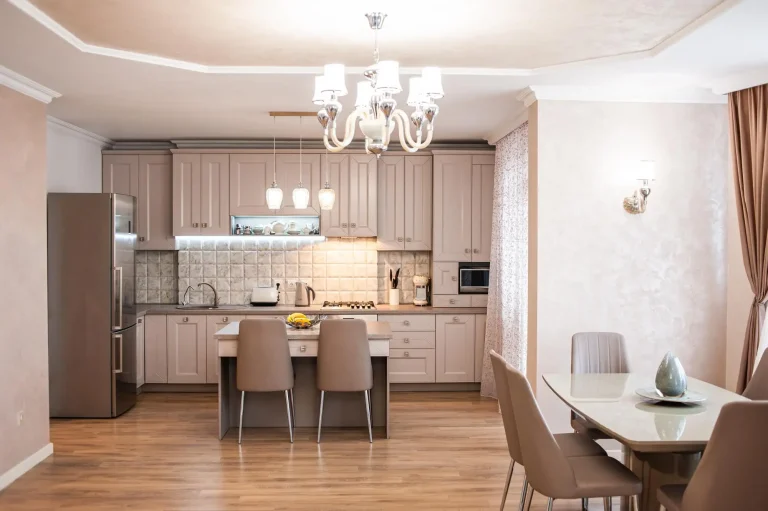
A traditional kitchen showcases a warm, timeless look with wood cabinetry, raised panels, and detailed trim.
It features cozy layouts, warm lighting, muted colors, freestanding appliances, and natural materials like granite, oak, or slate, perfect for a classic, inviting feel.
What Is a Modern Kitchen?
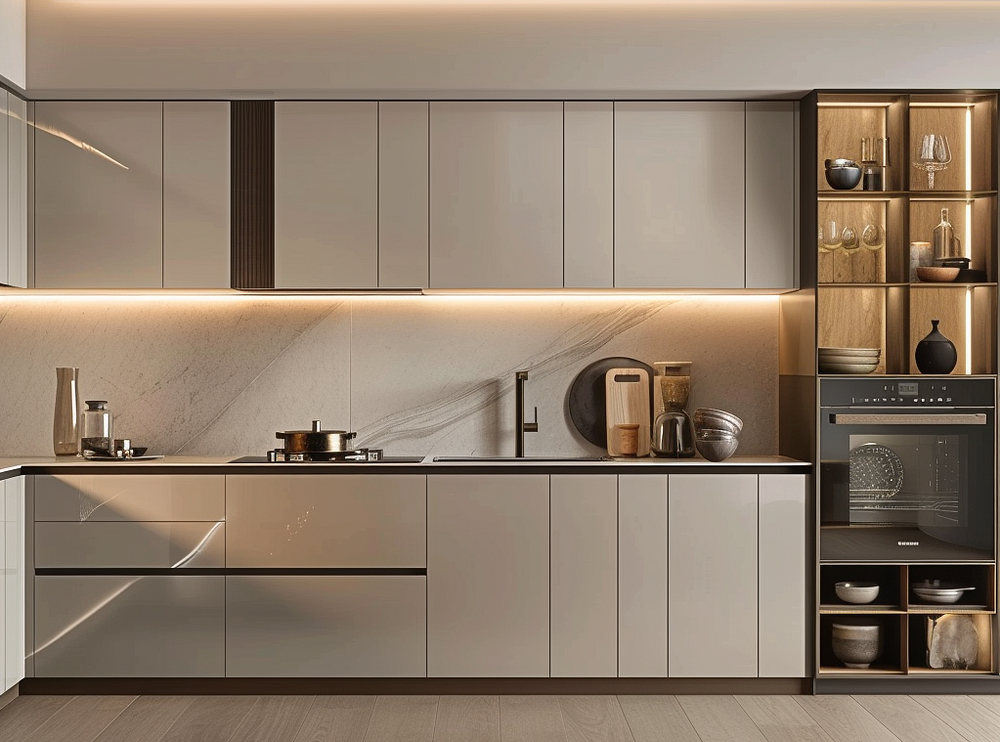
A modern kitchen focuses on clean lines, open layouts, and minimalist design, often featuring smart appliances and integrated storage.
Key elements include flat-panel cabinetry, LED lighting, monochrome tones, and materials like glass, laminate, or stainless steel.
Main Comparison: Traditional vs Modern Kitchen

Let’s walk through the key differences between traditional and modern kitchens so you can choose what fits your lifestyle and home design best.
Here’s a quick side-by-side breakdown to guide your decision:
1. Style
Traditional kitchens feel warm and cozy with decorative details and classic charm.
Modern kitchens are all about clean lines, minimalism, and a sleek, futuristic vibe.
2. Cabinet Design
Traditional cabinets often feature Shaker or raised panel styles, adding depth and texture.
Modern cabinets are usually flat-panel, overlay, and often handleless for a seamless look.
3. Color Scheme
Traditional kitchens use creams, warm wood tones, and earthy shades for a timeless appeal.
Modern kitchens lean toward monochromatic palettes, like greys and whites, sometimes with bold pops of color.

4. Lighting
Traditional lighting includes pendants and chandeliers that add character and warmth.
Modern lighting features LED strips, recessed fixtures, or hidden lighting for a clean, ambient glow.
5. Materials
Traditional designs incorporate natural materials like wood, granite, or stone for a rich finish.
Modern kitchens often use metal, glass, laminate, or concrete for a smooth, industrial look.
6. Appliances
Traditional kitchens typically include freestanding or classic-style appliances.
Modern kitchens favor built-in, smart appliances that blend seamlessly into cabinetry.
7. Best For
Traditional kitchens are perfect for those who love classic homes and cozy atmospheres.
Modern kitchens suit open layouts and homeowners who value tech-friendly, low-maintenance designs.
FAQs
1. Which style adds more home value?
Both styles can boost your home’s value if well-executed, but modern kitchens often appeal more to younger buyers and contemporary homes.
2. Which is easier to maintain?
Modern kitchens are generally easier to clean thanks to flat surfaces, minimal hardware, and materials like laminate or glass that wipe down quickly.
3. How long do kitchen styles stay in trend?
Traditional kitchens are considered timeless, while modern designs may evolve every 5–10 years as trends shift. Choose the one that suits your long-term vision best.
Conclusion
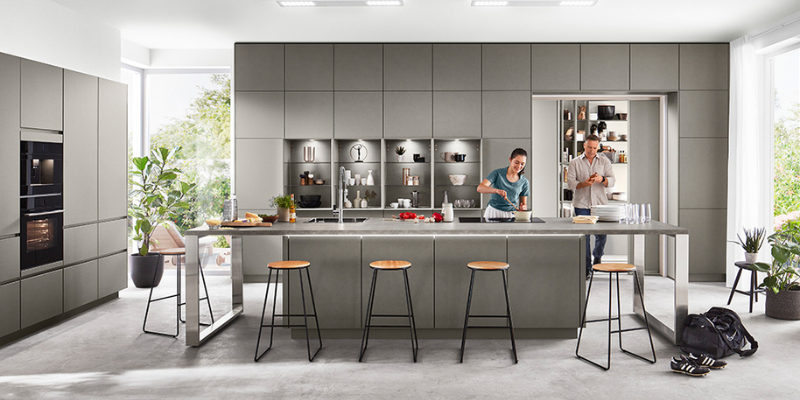
Traditional kitchens offer warmth and timeless charm, while modern kitchens focus on functionality and sleek design. Choose based on your space, lifestyle, and long-term needs—or blend both for balance.
Need help deciding? Contact us for expert guidance and start designing your perfect kitchen today!





 English
  Italian
  French
  German
  Spanish
  Portuguese
  Japanese
  Korean
  Russian
  Arabic
  Thai
Thai  Chinese