Introduction
The Popularity of Outdoor Kitchens
Outdoor kitchens are becoming a hot trend in home design, offering an extension of living space where families and friends can gather, cook, and dine in the fresh air. With the growing desire to entertain outdoors and enjoy the natural surroundings, many homeowners are investing in outdoor cooking areas that offer both functionality and aesthetic appeal. The ability to prepare meals and entertain guests outside adds a new dimension to hosting and provides a refreshing change from the typical indoor gatherings.

Need for Outdoor Kitchen Cabinets
But an outdoor kitchen is not just about the grill or cooking appliances; it’s about creating a fully functional space that requires proper storage solutions. That’s where outdoor kitchen cabinets come into play. These cabinets provide necessary storage for utensils, cooking ingredients, and outdoor dining essentials, keeping everything within arm’s reach.
Outdoor kitchen cabinets must be designed with care, as they are exposed to the elements and require materials and construction techniques that can withstand rain, sun, wind, and temperature fluctuations. Choosing the right cabinets and materials is crucial to the success and longevity of the outdoor kitchen. In the following sections, we’ll delve into a DIY guide for building these cabinets and explore the best materials to ensure a stylish, functional, and durable outdoor cooking and entertainment space. Whether you’re an experienced DIY enthusiast or a beginner looking to take on a new project, this guide will provide you with the insights and tips needed to create the outdoor kitchen cabinets that best suit your needs and preferences.
DIY Guide to Building Outdoor Kitchen Cabinets
Plan and Design
Before you start building your outdoor kitchen cabinets, planning and designing are crucial steps that will save you time and frustration later on.
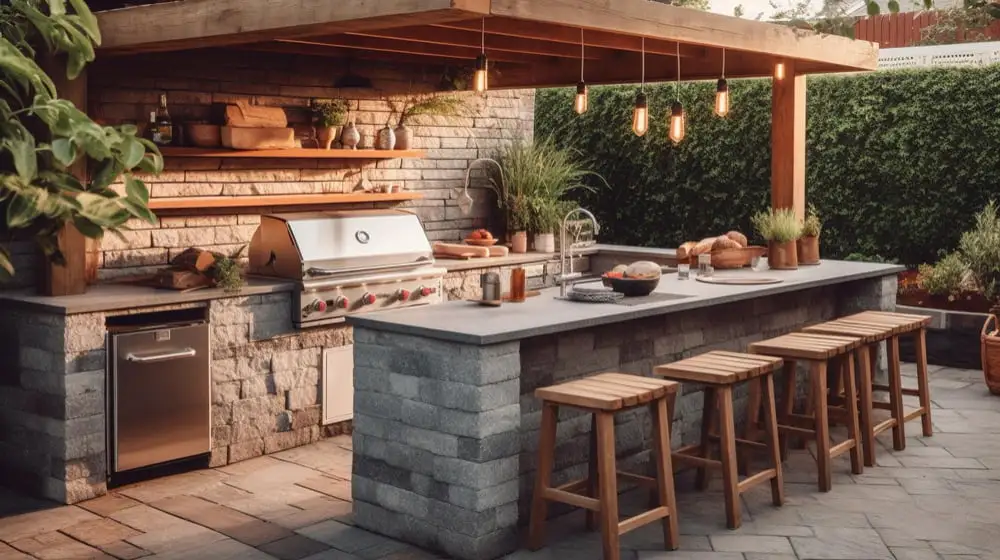
Assess Your Needs: Think about what you’ll be storing in the cabinets and what you need from them. Do you need deep drawers, shelves, or specialized compartments for utensils and appliances?
Choose the Location: Consider where your cabinets will be placed and how they’ll integrate with the rest of your outdoor kitchen.
Determine the Dimensions: Measure the space and plan the size of the cabinets to fit.
Select the Materials: You’ll want to choose weather-resistant materials suitable for outdoor use. More on this in a later section.
Create a Sketch or Blueprint: Even a simple drawing can help you visualize the final product and guide your construction.
Tools and Equipment
Having the right tools and equipment will make the construction process smoother and more enjoyable.
Basic Carpentry Tools: Such as saws, drills, screwdrivers, levels, and measuring tapes.
Safety Equipment: Including safety glasses, gloves, and hearing protection.
Specialized Tools: Depending on your design, you may need certain specialized tools for cutting, shaping, or finishing.
Step-by-Step Construction Process
Prepare the Site: Clear the area and set up a workspace.
Cut and Assemble the Frames: Follow your design to cut the pieces and assemble the frame for each cabinet.
Install the Shelves or Drawers: Depending on your design, add the internal components.
Attach the Doors: If your cabinets will have doors, attach them using durable outdoor-rated hinges.
Finish and Seal: Depending on your chosen material, you may want to paint, stain, or seal the cabinets to protect them from the elements.
Install in Your Outdoor Kitchen: Secure the cabinets in place, and add any final touches like handles or knobs.
Building your outdoor kitchen cabinets can be a rewarding project that adds convenience and style to your outdoor entertaining space. By carefully planning, selecting the right tools and materials, and following a step-by-step process, you can create custom cabinets that suit your needs and withstand the outdoor conditions.
6 Best Materials for Outdoor Kitchen Cabinets
Selecting the right materials for your outdoor kitchen cabinets is crucial for both durability and aesthetics. Here’s a look at six top choices:

Stainless Steel
Stainless steel is a popular choice due to its sleek appearance and resistance to rust and corrosion.
- Advantages: Easy to clean, weather-resistant, and offers a modern look.
- Disadvantages: Can be expensive and might get too hot in direct sunlight.
- Ideal For: Those looking for a contemporary design with minimal maintenance.
Marine-Grade Polymer
This is a material designed to withstand harsh marine environments, making it great for outdoor kitchen cabinets.
- Advantages: Extremely durable, resistant to water and UV rays, available in various colors and finishes.
- Disadvantages: Can be on the expensive side.
- Ideal For: Coastal areas or places with significant weather exposure.
Teak and Other Hardwoods
Certain hardwoods like teak are known for their resilience in outdoor settings.

- Advantages: Beautiful natural look, naturally resistant to decay and insects.
- Disadvantages: Requires regular maintenance to keep its appearance; can be expensive.
- Ideal For: Those seeking a warm, natural aesthetic.
Concrete
Concrete is a versatile material that can be molded into almost any shape and tinted to match your design preferences.
- Advantages: Highly durable, customizable, and offers an industrial-chic vibe.
- Disadvantages: Heavy, can crack over time, and may require sealing.
- Ideal For: Those looking for a unique, custom-built look.
Stone
Stone, whether natural or engineered, provides a classic, robust appearance.
- Advantages: Virtually indestructible, available in many colors and textures.
- Disadvantages: Very heavy, requires professional installation, can be costly.
- Ideal For: Anyone aiming for a high-end, luxurious outdoor kitchen.
Outdoor-Grade Plywood
A budget-friendly option, outdoor-grade plywood can be a sensible choice for those watching their costs.
- Advantages: Affordable, easy to work with, and can be painted or stained to match your style.
- Disadvantages: Requires proper sealing to prevent water damage, not as long-lasting as other materials.
- Ideal For: DIYers on a budget who still want to achieve a quality look.
Choosing the right material for your outdoor kitchen cabinets will depend on your budget, design preferences, and local weather conditions. Whether you’re seeking the sleek modernity of stainless steel or the timeless elegance of stone, understanding the pros and cons of these six materials can guide you to the perfect choice for your outdoor space.
Tips for Maintenance and Weatherproofing
Your outdoor kitchen cabinets are exposed to the elements, so their care differs significantly from indoor cabinets. Here’s how you can ensure they stay in prime condition:
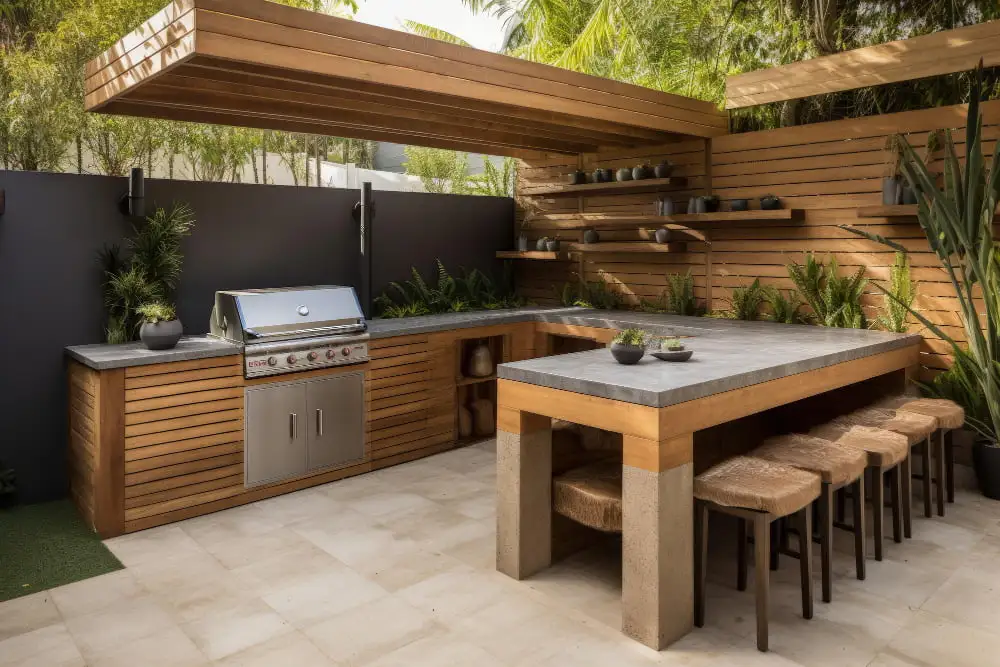
Regular Cleaning
- Frequency: Depending on the material, a weekly or monthly cleaning might be necessary to prevent dirt and grime buildup.
- Method: Use a soft brush and gentle cleanser suitable for the material. Rinse with water and dry with a soft cloth.
- Note: Always follow the manufacturer’s instructions to avoid damaging the surface.
Protective Coatings
- Stainless Steel & Metal: Applying a thin layer of car wax can protect against oxidation and maintain a shiny appearance.
- Wood: Regular application of an oil-based sealant or varnish can prevent weathering and retain the wood’s natural beauty.
- Stone & Concrete: Specialized sealants can be applied to prevent staining and moisture penetration.
- Note: Coating should be done at installation and reapplied as necessary, following product guidelines.
Seasonal Care
- Spring: Check for any winter damage and clean thoroughly to prepare for heavy summer use.
- Summer: Regularly clean to remove cooking residue, pollen, or other seasonal debris.
- Autumn: Apply protective coatings if needed and cover or store removable components.
- Winter: If you live in a region with severe winter weather, consider using protective covers or temporarily sealing the cabinets.
The right maintenance routine will help your outdoor kitchen cabinets withstand the elements and maintain their appearance and functionality. Regular cleaning, applying protective coatings, and taking seasonal care can extend the life of your cabinets. By following these tips, you can enjoy your beautiful outdoor kitchen for many years to come.
FAQs Related Outdoor Kitchen Cabinets
Below are the brief introductions to some commonly asked questions about outdoor kitchen cabinets. These FAQs will provide insight into the selection, building, and maintenance of outdoor kitchens.
Conclusion
Summary of DIY Approach
Building outdoor kitchen cabinets is a rewarding project that adds functionality and aesthetic appeal to your outdoor space. From the initial planning and design phase to the step-by-step construction process, this DIY guide equips you with the necessary tools and knowledge to embark on this fulfilling journey.
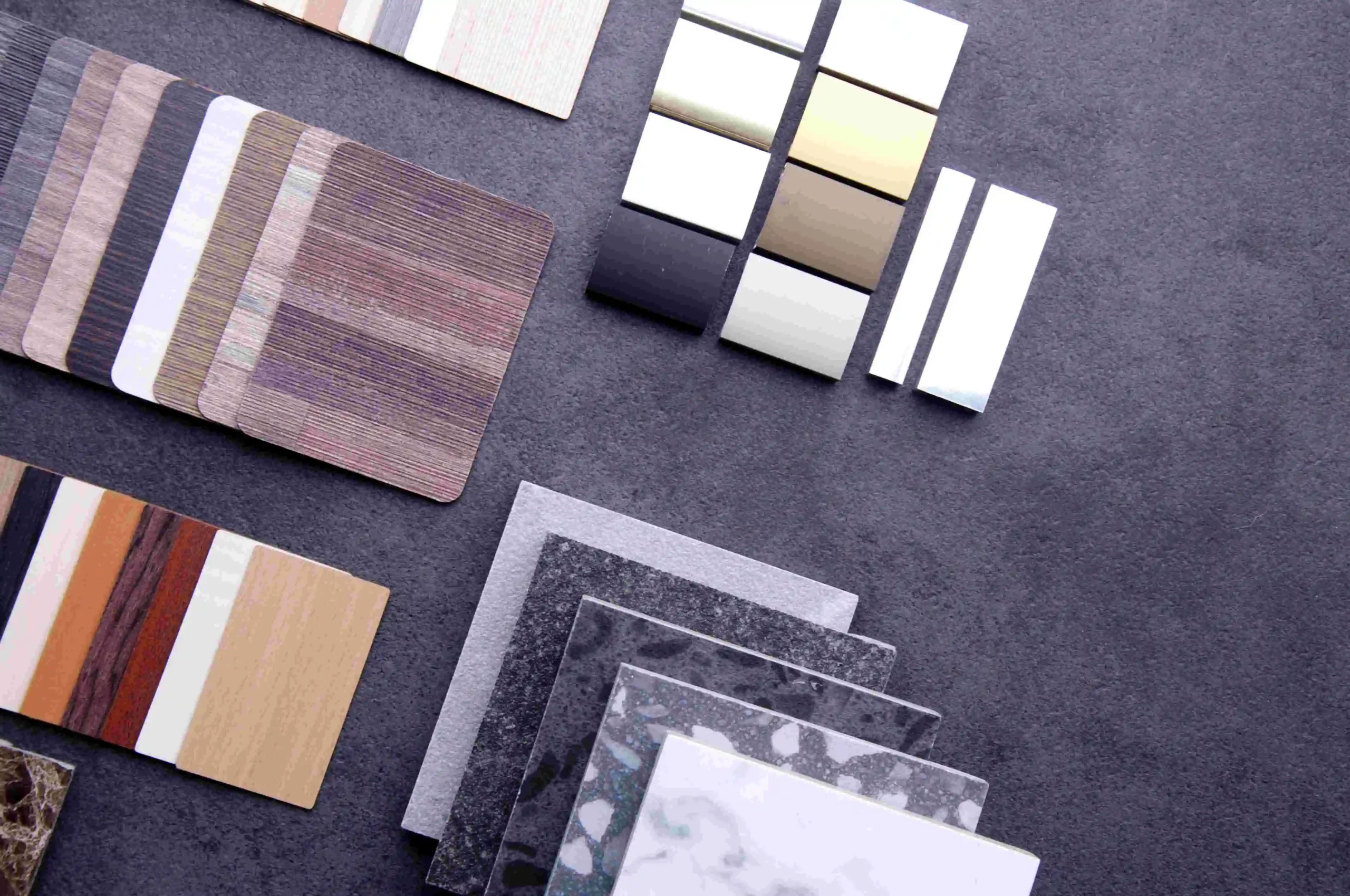
Emphasizing the Importance of Material Choice
Choosing the right material for your outdoor kitchen cabinets is crucial, not just for the look but for the longevity and performance as well. From stainless steel to outdoor-grade plywood, each material offers unique benefits and considerations. Making an informed decision ensures that your cabinets withstand the elements and continue to serve you well in the years to come.
Encouragement and Call to Action
An outdoor kitchen is more than just a place to cook; it’s an extension of your living space, a hub for socializing, and a means to enjoy the outdoors. Whether you’re a seasoned DIY enthusiast or new to the game, this guide is meant to inspire and equip you with what you need to create an outdoor kitchen that reflects your style and meets your needs. So, roll up your sleeves, select your materials, and start building the outdoor kitchen of your dreams today!




 English
  Italian
  French
  German
  Spanish
  Portuguese
  Japanese
  Korean
  Russian
  Arabic
  Thai
Thai  Chinese