Kitchen cabinets come in four main types: custom, semi-custom, stock, and ready-to-assemble (RTA). Each type offers varying levels of customization, design options, and pricing to fit different needs and preferences.

Understanding the different types of kitchen cabinets helps you choose the best option for your space, balancing style, functionality, and budget. This knowledge ensures that your kitchen meets your specific needs and design vision.
Types of Kitchen Cabinets
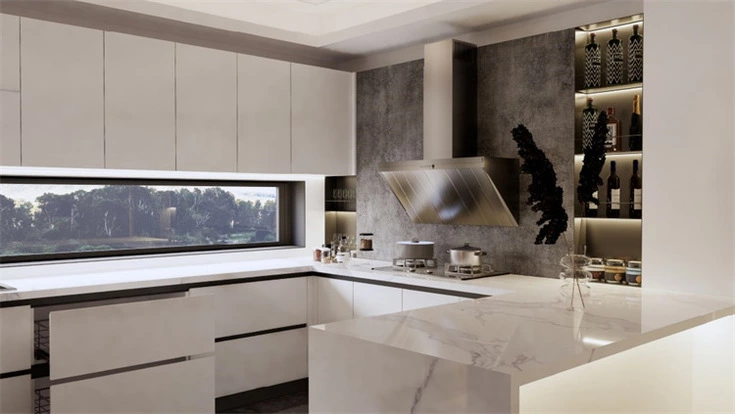
Choosing the right kitchen cabinets is key to balancing style and function.
Understanding the different types helps you select the best option for your space and needs.
Custom Cabinets
Custom cabinets are tailored to fit any space and style, offering the widest range of options for materials, finishes, and features.
They are designed and built to your exact specifications, ensuring a perfect fit and unique design.
| Pros | Cons |
|---|---|
| Maximum flexibility in design | Higher cost |
| Premium quality materials | Longer production and installation time |
| Perfect fit for any space | Requires professional installation |
Semi-Custom Cabinets
Semi-custom cabinets offer more design options than stock cabinets but with less flexibility than custom.
They allow for some adjustments in size, style, and features, making them a popular choice for those looking for a balance between customization and cost.
| Pros | Cons |
|---|---|
| Allows some personalization | Limited customization options |
| Lower cost than custom cabinets | Not fully tailored to specific spaces |
| Available in various styles | Longer delivery times compared to stock |
Stock Cabinets
Stock cabinets are pre-manufactured in standard sizes and come in a limited range of styles and finishes.
They are mass-produced and readily available, making them a convenient and cost-effective option.
| Pros | Cons |
|---|---|
| Cost-effective | Limited in design options |
| Readily available | Standard sizes only |
| Easy to replace or upgrade | May not fit all spaces perfectly |
Ready-to-Assemble (RTA) Cabinets
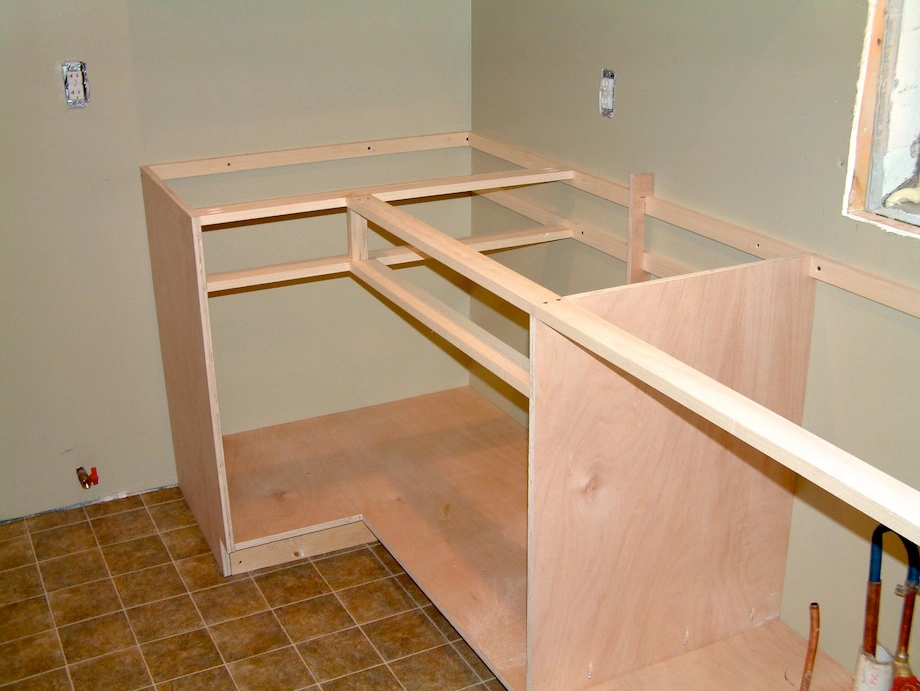
Ready-to-Assemble (RTA) cabinets come flat-packed and require assembly.
They offer a wide range of styles and materials, making them a budget-friendly option for those with DIY skills.
| Pros | Cons |
|---|---|
| Budget-friendly | Requires DIY skills for assembly |
| Easy to ship | Assembly can be time-consuming |
| Available in various styles | May lack the durability of custom or semi-custom cabinets |
Kitchen Cabinet Style Types
Choosing the right kitchen cabinet style is essential in setting the tone for your kitchen.
Each style offers a unique aesthetic that can transform the overall look and feel of your space.

Here’s an overview of some popular kitchen cabinet styles to help you find the perfect match for your design vision.
Shaker Cabinets
Shaker cabinets are known for their simple, clean lines and functional design.
Featuring a recessed center panel and minimal detailing, these cabinets embody a timeless aesthetic that blends seamlessly with various decor styles.

The straightforward design of Shaker cabinets is rooted in the principles of the Shaker community, emphasizing utility and craftsmanship.
This style often comes in neutral colors, allowing the focus to remain on the quality of the wood and the cabinetry’s clean, unfussy lines.
Best For
Shaker cabinets are best for versatile kitchen designs, fitting both traditional and modern styles due to their clean, straightforward appearance.
Raised Panel Cabinets
Raised panel cabinets are characterized by their distinctive center panel that is slightly raised, adding depth and dimension to the cabinet door.
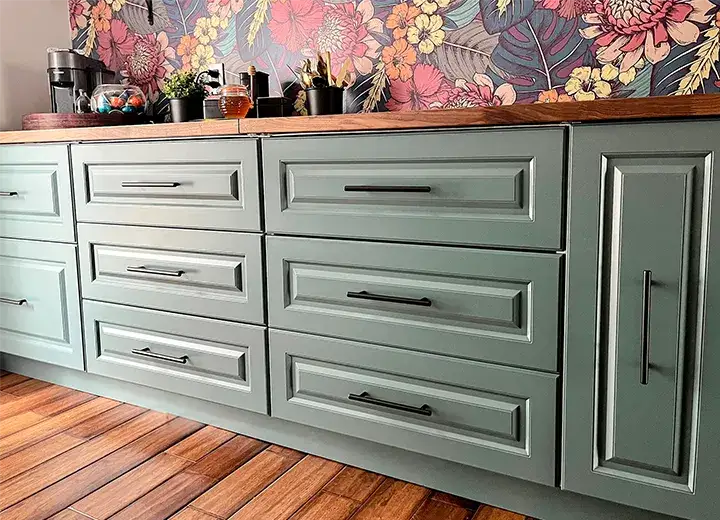
This design is often more ornate than other styles, with additional detailing around the edges of the panel, which can range from subtle beveling to more intricate molding.
The raised panel design adds a layer of sophistication, making it a common choice in traditional and formal kitchen settings.
Best For
Raised panel cabinets are best for traditional kitchens, adding elegance and a classic touch with their detailed design.
Slab Cabinets
Slab cabinets, also known as flat-panel cabinets, feature a smooth, flat door with no framing, detailing, or embellishments.

This sleek, minimalist design emphasizes clean lines and simplicity, making it a popular choice in modern and contemporary kitchens.
The absence of raised or recessed panels creates a seamless look, allowing the natural beauty of the material or the boldness of the color to take center stage.
Best For
Slab cabinets are best for modern kitchens, offering a sleek and minimalist look that suits contemporary designs.
Glass-Front Cabinets
Glass-front cabinets feature doors with glass panels, allowing the contents of the cabinets to be visible.

This design adds a decorative element to the kitchen while also serving a functional purpose. The glass can be clear, frosted, or textured, depending on the desired level of visibility and style.
Glass-front cabinets are often used in combination with solid cabinet doors to create a balanced look that adds visual interest without overwhelming the space.
Best For
Glass-front cabinets are best for transitional kitchens, perfect for displaying decorative items while adding openness.
Beadboard Cabinets
Beadboard cabinets are characterized by their vertical slats of wood, which create a paneled effect on the cabinet doors.

This design is reminiscent of traditional wood paneling and adds a textured, rustic charm to the kitchen.
The vertical lines of the beadboard can help to elongate the appearance of the cabinets, making the space feel taller and more open.
Beadboard cabinets are often painted in light, airy colors to enhance their cottage-style appeal.
Best For
Beadboard cabinets are best for rustic and farmhouse kitchens, adding cozy, textured charm to the space.
Louvered Cabinets
Louvered cabinets feature horizontal wood slats, similar to window shutters, which provide a unique design element and functional ventilation.
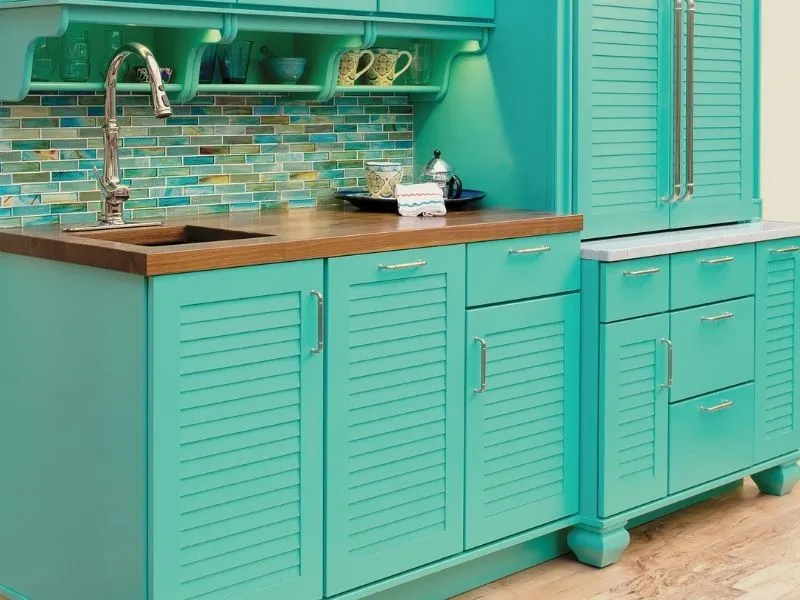
This style adds texture and visual interest to the kitchen, setting it apart from more traditional cabinet designs.
The slats can be spaced closely together for a more subtle effect or wider apart for a more pronounced look.
Louvered cabinets are often used in spaces where ventilation is important, such as near sinks or appliances.
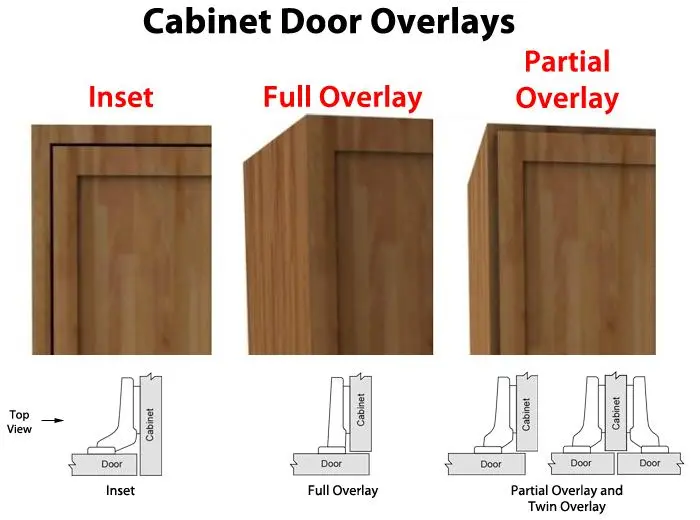
Cabinet Material Options
Choosing the right cabinet material is crucial for durability and style in your kitchen.

We have an in-depth guide on cabinet materials that covers everything you need to know.
Below is a quick summary of the main options, helping you decide which material best suits your kitchen.
Specialty Cabinets and Storage Solutions
Incorporating specialty cabinets and storage solutions into your kitchen can significantly enhance its functionality and organization.
These options are designed to optimize space, improve accessibility, and keep your kitchen clutter-free.
Corner Cabinets
Corner cabinets are designed to make the most of those tricky corner spaces in your kitchen.
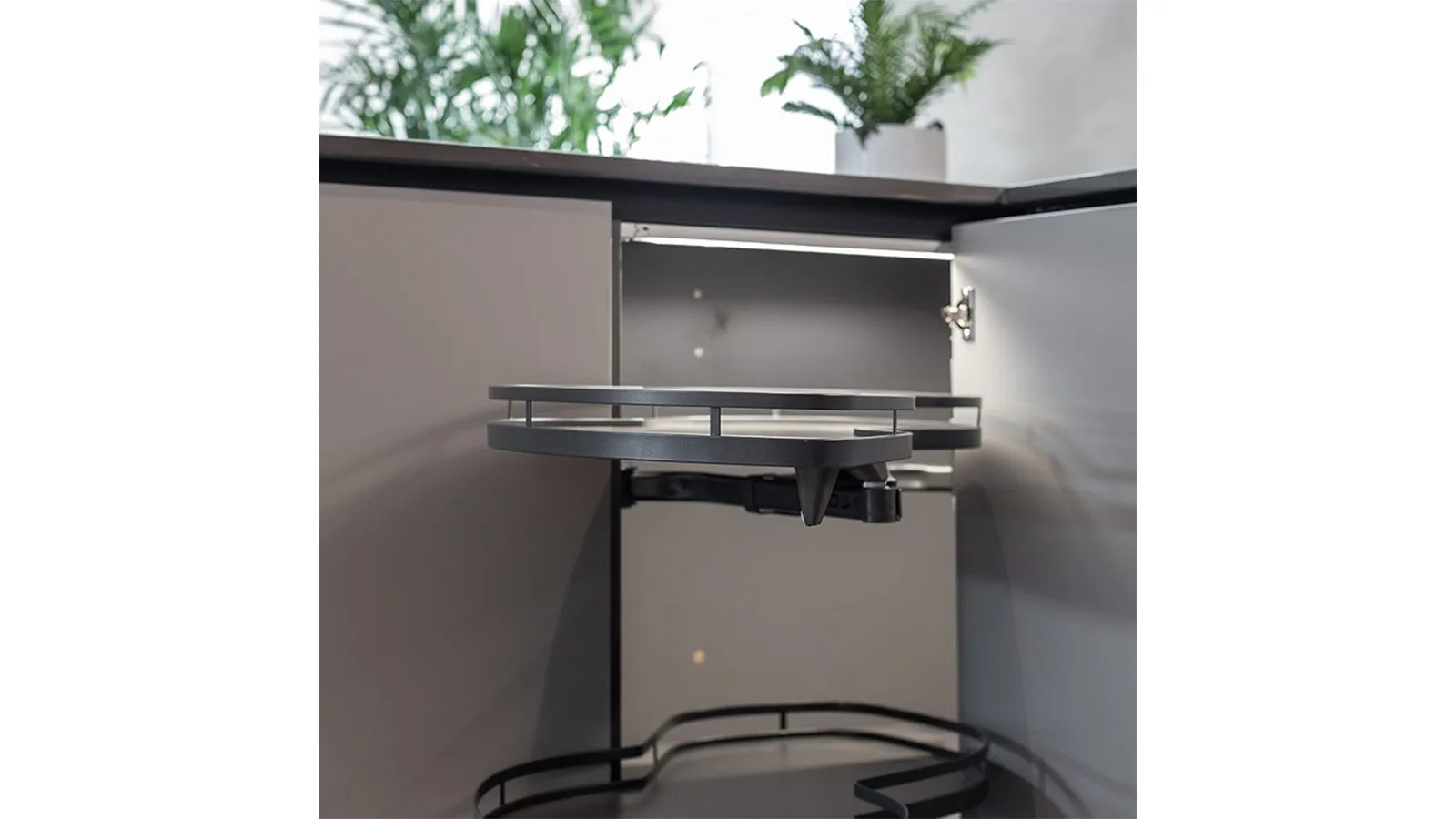
Often equipped with features like lazy susans or pull-out trays, they allow you to store items efficiently in areas that would otherwise be hard to reach.
These cabinets help maximize storage without wasting valuable kitchen space.
Pantry Cabinets
Pantry cabinets are tall, often full-height, storage units that are ideal for storing non-perishable food items, small kitchen appliances, and other pantry essentials.

These cabinets are perfect for those who need additional storage space beyond the typical wall and base cabinets, offering a convenient and organized way to keep everything in your kitchen within easy reach.
Pull-Out Shelves and Drawers
Pull-out shelves and drawers are a great addition to any kitchen, enhancing both accessibility and organization.
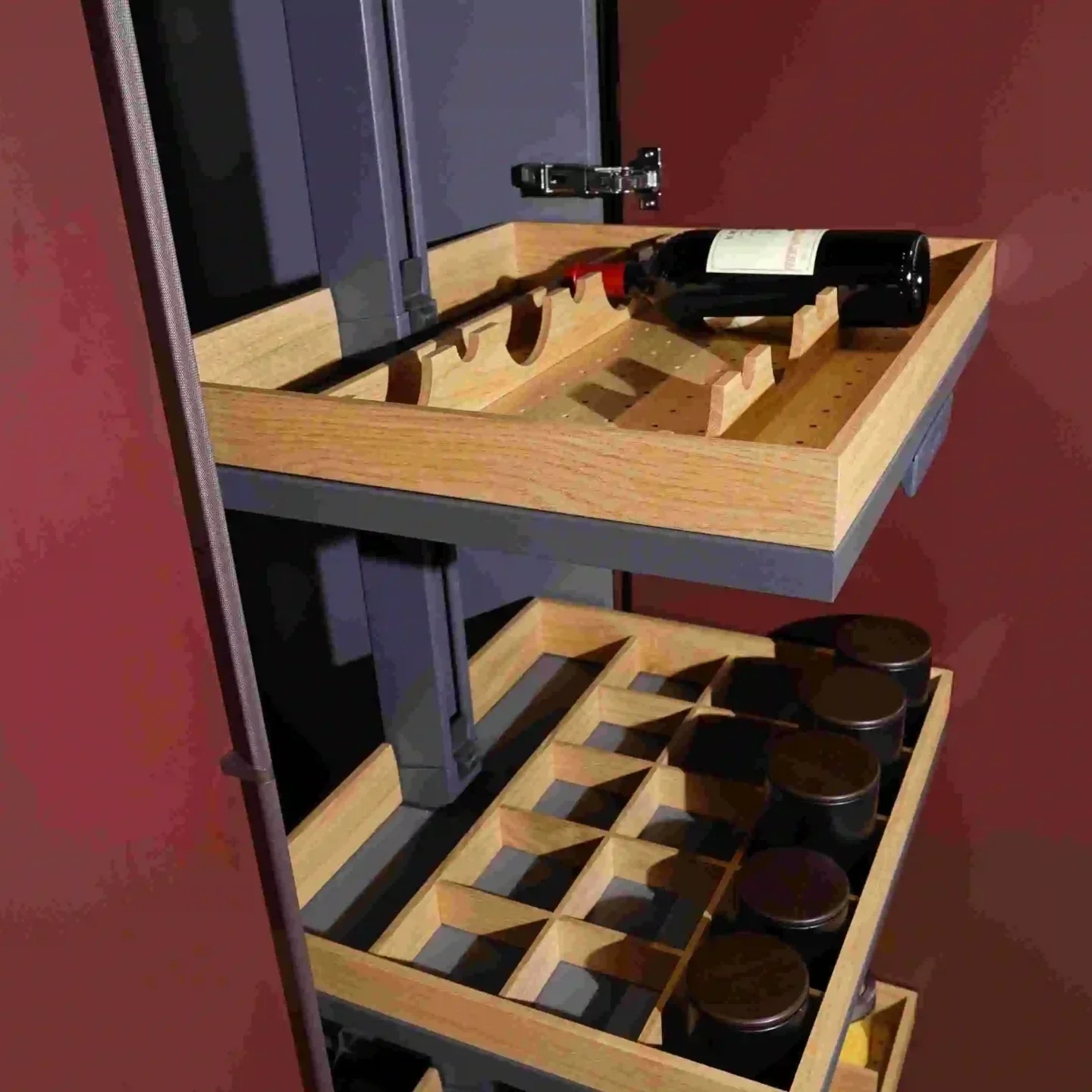
These features allow you to access items stored in the back of your cabinets without having to dig through everything in front.
They are particularly useful in base cabinets, where items are often hard to reach.
Appliance Garages
Appliance garages are designed to conceal small kitchen appliances like toasters, blenders, and coffee makers while keeping them easily accessible.
These cabinets typically feature a roll-up or pull-down door that hides the appliances when not in use, helping to maintain a clean and uncluttered countertop.
Tips for Choosing the Right Kitchen Cabinets
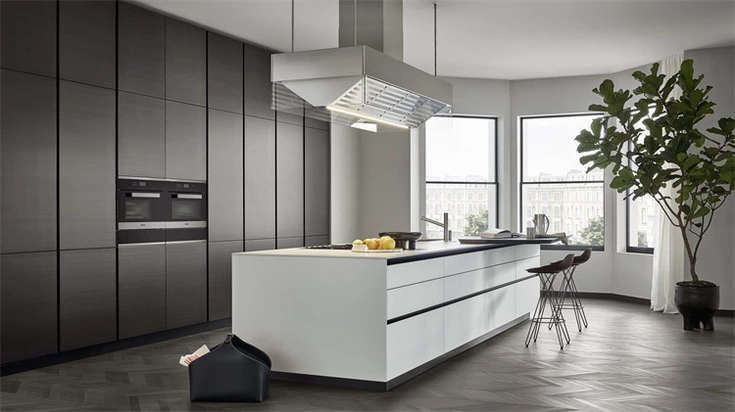
Envision the Style, Layout, and Organization: Visualize your kitchen’s overall style, layout, and organization before deciding on cabinets. Consider how shelves, drawers, and door styles will complement your kitchen’s design and functionality.
Set a Budget: Determine your budget, as cabinets can consume over 50% of it. Decide between custom, semi-custom, or stock cabinets, balancing costs with your desired features and materials.
Select Your Door Profile: Choose a cabinet door style that aligns with your kitchen’s aesthetic. Options like shaker, inset, and flat panels offer versatility across traditional and modern designs.
Consider the Wood Type: Select a durable wood type that suits your kitchen’s needs and design. Options include hardwood, MDF, or plywood, depending on your budget and preference for strength or appearance.
Choose Your Hardware: Pick hardware that enhances both the style and functionality of your cabinets. Consider finishes and styles for handles, pulls, and knobs to match your kitchen’s look.
Balance Aesthetics and Function: Ensure your cabinets are not only visually appealing but also functional. Consider adding features like pull-out shelves or glass doors for both practicality and style.
Explore Finishing Options: Decide on the finish that best suits your kitchen’s aesthetic and maintenance preferences. Options include natural wood, painted, or glazed finishes, with color choices that align with your style.
What to Consider Before Buying Kitchen Cabinets
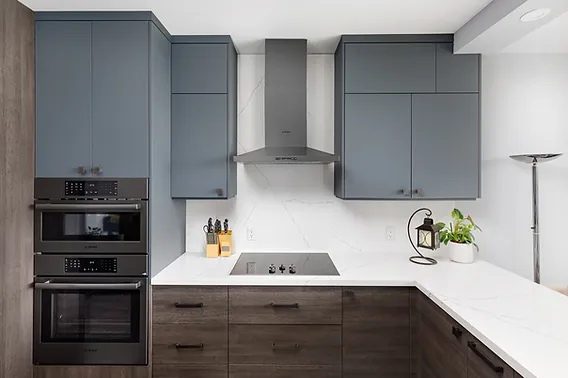
When buying kitchen cabinets, consider your kitchen size and layout to ensure a proper fit, along with the type of cabinets—custom, semi-custom, stock, or RTA—based on your budget and customization needs.
Pay attention to material and construction quality for durability, storage features for organization, and maintenance requirements to match your lifestyle.
Also, factor in installation needs, whether professional or DIY, to ensure a smooth setup that fits your budget and skill level.
FAQs About KItchen Cabinet Types
Conclusion

Understanding the different types of kitchen cabinets is essential for creating a functional and stylish kitchen. From custom to stock options, each type offers unique benefits to suit various needs and budgets.
Ready to transform your kitchen? Explore our comprehensive guide and start planning your perfect kitchen cabinets today. Contact us for expert advice and make your dream kitchen a reality!





 English
  Italian
  French
  German
  Spanish
  Portuguese
  Japanese
  Korean
  Russian
  Arabic
  Thai
Thai  Chinese