
Essential Cleaning Supplies
Having the right tools on hand makes all the difference when it comes to keeping your kitchen cabinets spotless.
Here’s a quick guide to the essentials you’ll need for both daily upkeep and deep cleaning sessions.
Daily Cleaning Tools
- Microfiber Cloths: These are gentle on surfaces and perfect for daily dusting and wiping away light grime.

- Mild Dish Soap: A few drops mixed with warm water is all you need for regular grime removal.
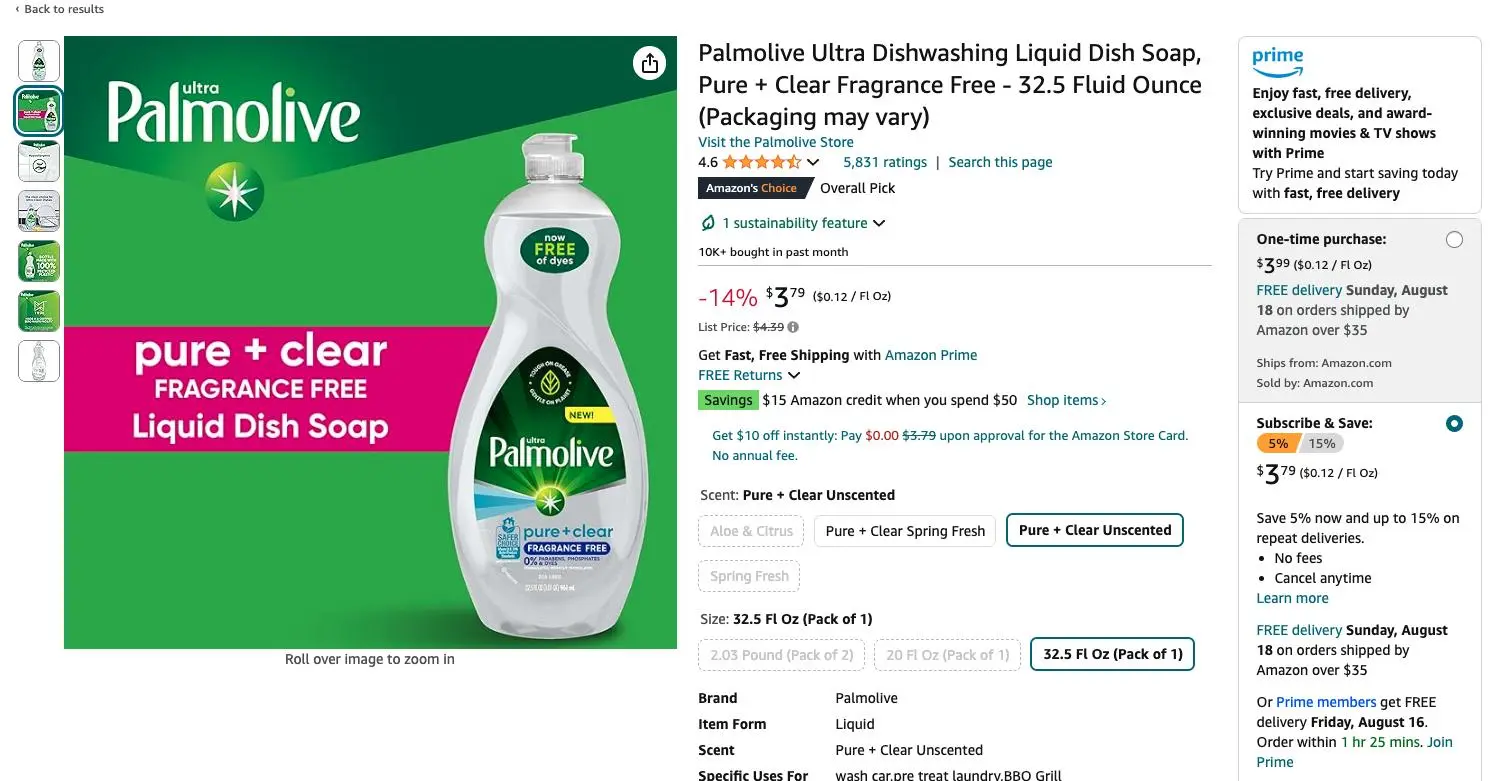
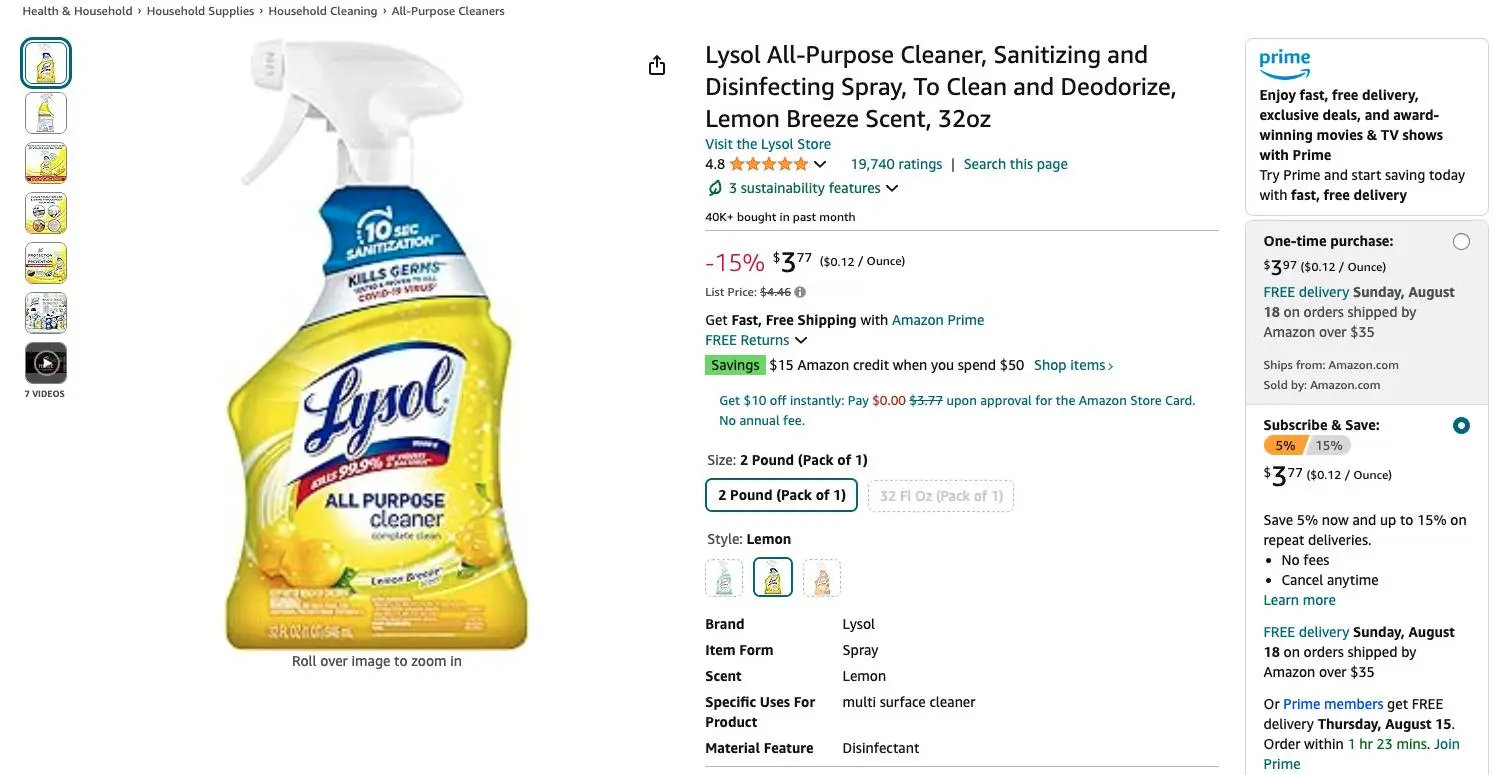
- All-Purpose Cleaner: Versatile and effective on various cabinet materials, making it a go-to for daily cleaning.
Deep Cleaning Tools
- Vinegar and Baking Soda: A natural duo that works wonders on stubborn stains and residue.
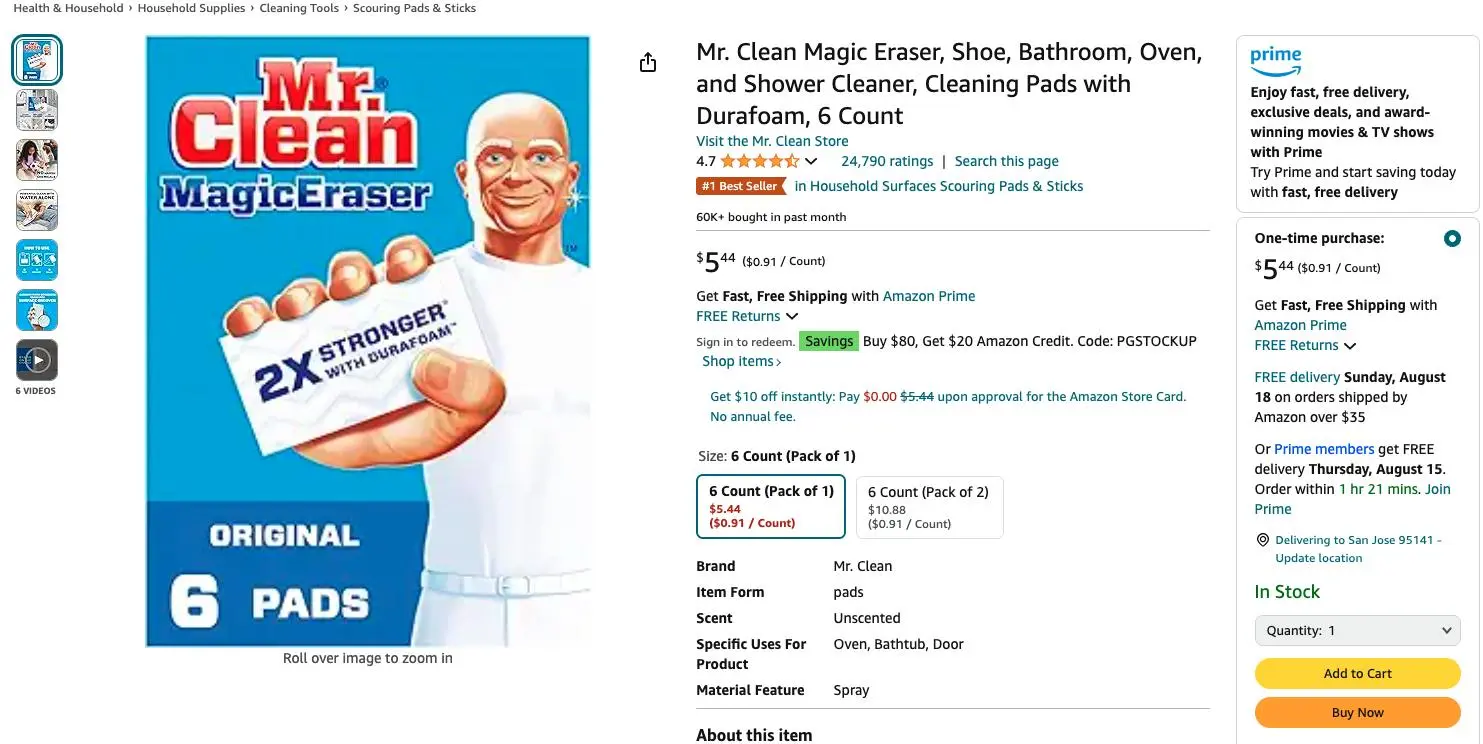
- Magic Erasers: These are great for tackling tough grease spots that regular cleaning might miss.
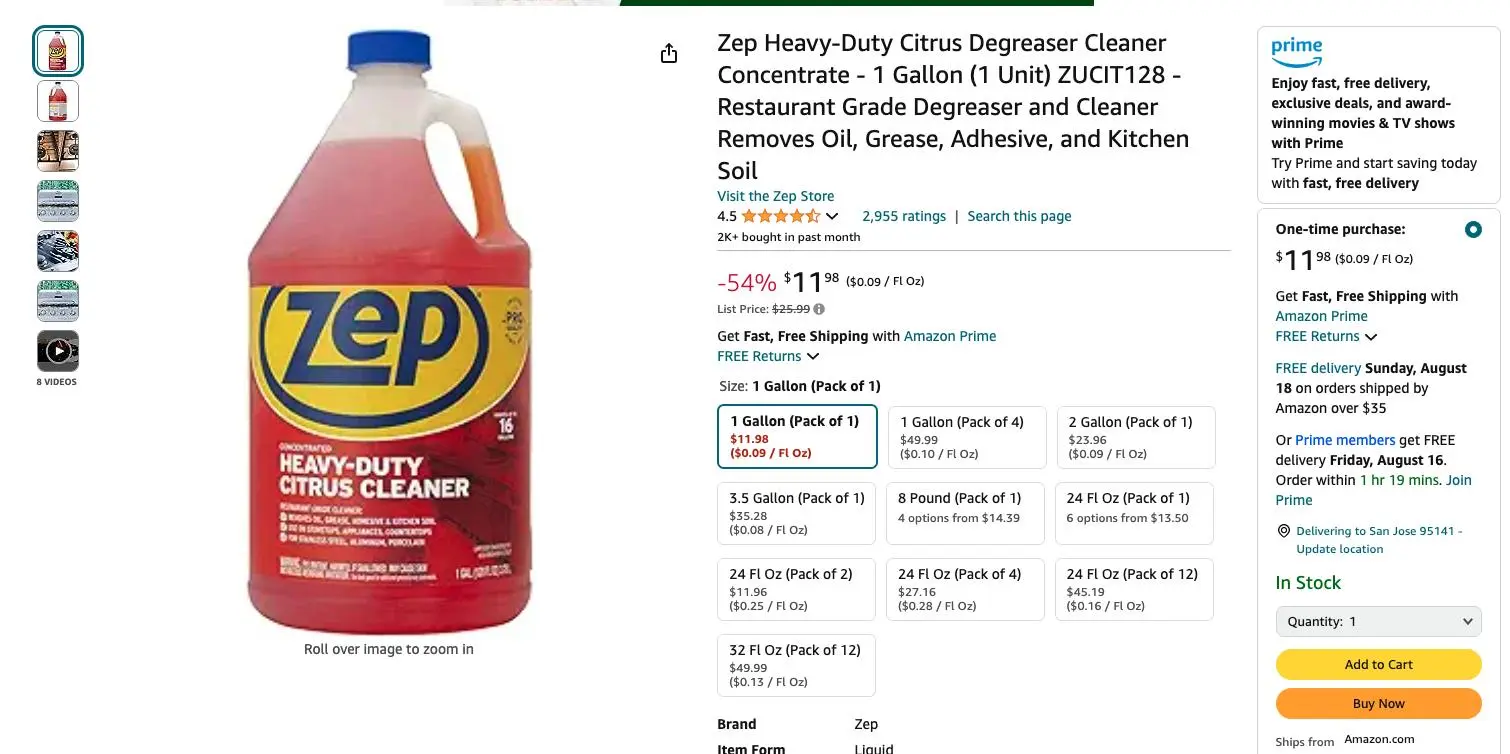
- Citrus-Based Degreasers: Ideal for breaking down heavy grease buildup, especially in those hard-to-reach areas.
Specialty Tools
- Toothbrush: Perfect for scrubbing crevices, corners, and around cabinet hardware where dirt tends to accumulate.
- Vacuum with Crevice Tool: Useful for thoroughly cleaning the interior of cabinets, especially the corners and edges where crumbs and dust collect.
With these supplies in your cleaning arsenal, you’ll be well-prepared to keep your kitchen cabinets looking their best every day.
Daily Maintenance for Kitchen Cabinets
Keeping your kitchen cabinets looking fresh doesn’t have to be a chore.
A little daily maintenance goes a long way in preventing grime buildup and keeping your cabinets in top shape.
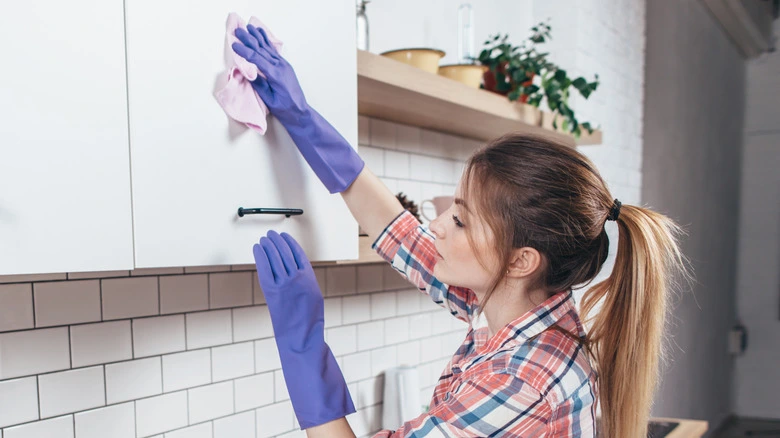
Quick Wipe-Downs
- How Often: Aim for a quick wipe-down daily or at least weekly to prevent grime from building up.
- Method: Use a damp microfiber cloth with a bit of mild soap, focusing on areas that are touched frequently, like handles and the edges of doors. This helps to remove fingerprints and minor splatters before they become harder to clean.
Handling Spills and Splatters Immediately
Spills and splatters are easier to clean when tackled right away.
Doing so prevents stains from setting in, which can reduce the need for deep cleaning later on.
A quick swipe as soon as a spill happens can save you time and effort in the long run.
Deep Cleaning Kitchen Cabinets
Deep cleaning your kitchen cabinets is essential to maintain their appearance and hygiene, especially in areas prone to grease and grime buildup.

Here’s a step-by-step guide to ensure your cabinets stay spotless.
Step-by-Step Guide
#1 Preparation
- Gather Supplies: Before you start, make sure you have all your cleaning tools ready—dish soap, warm water, microfiber cloths, a vacuum with a crevice tool, and any specialty cleaners.
- Remove Items: Empty the cabinets to give yourself easy access to all surfaces.
#2 Exterior Cleaning
- Method: Start by mixing dish soap with warm water. Using a damp cloth, gently clean the cabinet exteriors from top to bottom to avoid dripping on areas you’ve already cleaned. Rinse with a clean, damp cloth and dry with a soft towel.
- Focus Areas: Pay special attention to handles, edges, and areas around appliances where grease and grime tend to accumulate.
#3 Interior Cleaning
- Method: After emptying the cabinets, vacuum out any crumbs and debris. Wipe down the interiors with soapy water, ensuring you reach all corners and shelves. Rinse with a damp cloth and dry thoroughly to prevent moisture damage.
- Special Attention: Don’t forget the hard-to-reach corners and the undersides of shelves, as these spots often harbor hidden dirt and dust.
Frequency
To keep your kitchen in top shape, perform a deep cleaning of your cabinets every 3-6 months.
Regular deep cleaning helps maintain the longevity and appearance of your cabinets, reducing the need for more intensive maintenance.
Removing Tough Stains and Grease
Even with regular maintenance, kitchen cabinets can accumulate stubborn stains and grease. Here’s how to identify and tackle those tough spots:

Identifying Stubborn Stains
Grease, food splatters, and watermarks are the usual culprits.
- Grease Removal: Use citrus-based degreasers or a baking soda paste to break down and lift grease.
- Watermarks: Distilled water mixed with vinegar can effectively remove water stains.
- Food Splatters: Apply a baking soda and water paste directly on the splatter, let it sit, then wipe clean.
To protect your cabinet finishes, always opt for gentle cleaning methods rather than scraping, which can cause damage.
Cleaning Different Types of Kitchen Cabinets
Each type of kitchen cabinet material requires specific care to maintain its appearance and longevity.
In the table below, you’ll find the best cleaning methods tailored to different cabinet materials.
Whether you have wood, laminate, painted, glass-front, or metal cabinets, these tips will help you keep them looking their best with minimal effort.
Maintaining Cabinet Hardware
Keeping your cabinet hardware clean is just as important as maintaining the cabinets themselves.

Here’s how to ensure knobs and handles stay spotless:
- Daily Maintenance: Simply wipe down knobs and handles with a damp cloth to remove fingerprints, oils, and grime.
Deep Cleaning: For a thorough clean, soak the hardware in a vinegar solution, scrub gently with a toothbrush to get into the crevices, and dry thoroughly to prevent any moisture damage.
Tips to Keep Kitchen Cabinets Clean Longer
Maintaining the cleanliness of your kitchen cabinets is easier with a few proactive measures.

Here’s how you can keep them looking great for longer:
Regular Dusting: Dust every two weeks to prevent buildup and maintain a clean appearance.
Using Shelf Liners: Shelf liners protect against moisture and spills, making it easier to clean up any messes that occur.
Avoiding Moisture: Always ensure dishes are completely dry before storing them, and wipe up any spills immediately to prevent water damage.
Closing Cabinets: Keeping cabinet doors closed helps to keep out dust and reduces the need for frequent cleaning sessions.








 English
  Italian
  French
  German
  Spanish
  Portuguese
  Japanese
  Korean
  Russian
  Arabic
  Thai
Thai  Chinese