Choosing the right height for your dining room table isn’t just about aesthetics—it’s about creating a space that’s both functional and comfortable.
Whether you’re hosting a family dinner, enjoying casual meals, or entertaining friends, the table height plays a crucial role in the overall experience.

A table that’s too high or too low can make dining uncomfortable, but the right height can elevate your space, making it feel cozy, welcoming, and perfectly suited to your needs.
In this guide, we’ll walk you through the different dining table heights—standard, counter, and bar—and help you pick the ideal one for your home. Let’s dive in!
Dining Room Table Height Options
There are three main dining table height options to choose from: standard, counter, and bar height.
Each offers its own style and comfort, allowing you to select the perfect fit for your space and needs.
What is the Standard Dining Room Table Height?

The standard dining room table height is typically between 28 to 32 inches, offering a comfortable dining experience for most people.
Pair this with 18 to 23-inch chairs to maintain proper legroom and ensure comfort.
This height is ideal for various dining styles and is the most versatile, fitting seamlessly into both formal and casual settings.
Counter Height Dining Tables
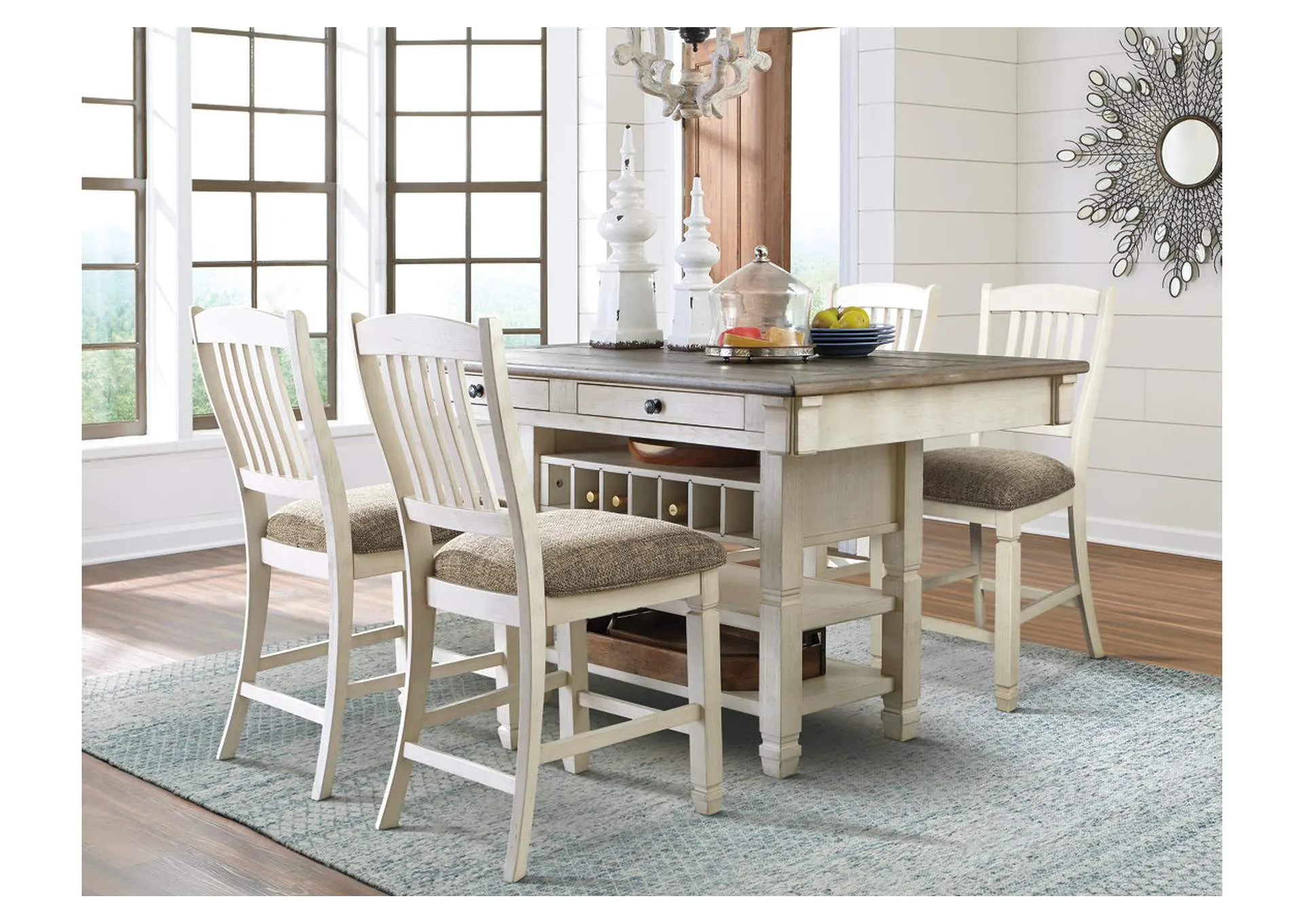
A counter height dining table ranges from 34 to 36 inches, paired with chairs 24 to 26 inches tall for optimal comfort.
These tables bring a casual, open feel to a room, making spaces look airier and less cramped.
They’re perfect for small areas and create a modern, relaxed vibe, ideal for informal dining or entertaining.
Bar Height Dining Tables

Bar height dining tables stand at 40 to 42 inches, paired with chairs that are 28 to 30 inches high.
These tables create a casual, elevated atmosphere, perfect for small gatherings or social spaces.
Their height encourages a more interactive and relaxed dining experience, making them ideal for entertaining guests.
How Do You Pick the Right Size Dining Table?

1. Measure Your Space
Start by measuring the available space to ensure the table fits comfortably.
You should leave at least 36 to 48 inches around the table for easy movement and seating, allowing guests to walk around without obstruction.
2. Consider Seating Capacity
Think about how many people you usually entertain and select a table that comfortably seats everyone.
It’s essential to avoid overcrowding, as this can lead to discomfort during meals.
3. Match the Room Proportions
The size of the table should complement the room’s overall proportions.
A table that’s too large can overwhelm a small room, while one that’s too small may feel out of place in a larger space.
4. Opt for Extendable Tables
If you frequently host family dinners or parties, consider a table with extendable leaves. This flexibility allows you to increase the seating capacity when needed, while keeping the table compact when not in use.
Tips for Pairing Dining Tables with Chairs
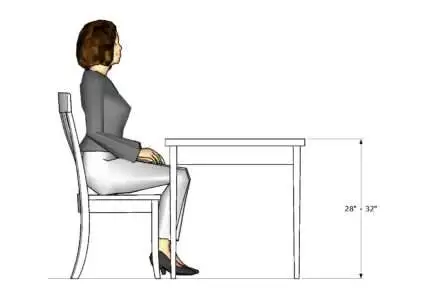
When pairing dining tables with chairs, the correct chair height is essential for comfort. For standard tables (28-32 inches), choose chairs with 18-23 inches seat height; for counter height tables (34-36 inches), opt for chairs 24-26 inches tall; and for bar height tables (40-42 inches), go for chairs with 28-30 inches seat height.
It’s also important to ensure clearance between the table and seat, aiming for about 10-12 inches for easy movement.
How Much Space is Needed for a Dining Table and Chairs?
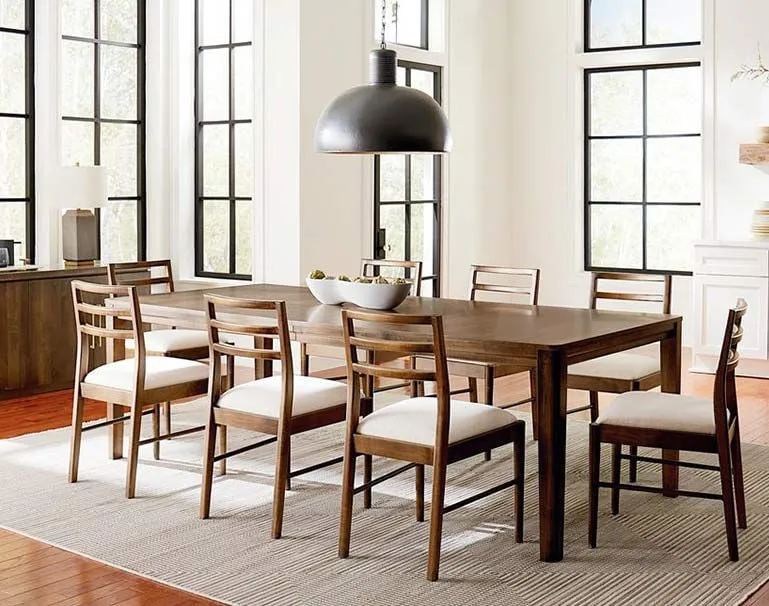
To ensure comfort and easy movement, allow about 24-30 inches of space between the edge of the table and the walls or other furniture.
This will give enough room for diners to move their chairs in and out without feeling cramped.
FAQs About Dining Table Height
1. What is the ideal height for a dining table?
The ideal height for a dining table is typically 28 to 32 inches, as this range provides the most comfortable seating for most people. It allows for proper legroom when paired with chairs that are 18 to 23 inches in height.
2. Can I use bar height tables for my dining room?
Yes, bar height tables (40-42 inches) work well for smaller or more casual dining spaces, creating an elevated atmosphere that encourages socializing. Pair them with chairs that are 28-30 inches tall for optimal comfort.
3. How do I choose the right dining table for my space?
Consider your room size, style preferences, and the intended use of the table when choosing the right one. For smaller spaces, a counter or bar height table may be more appropriate, while a standard table height is best for a versatile, traditional dining area.
4. What size dining table should I get for a family of four?
For a family of four, a 60-inch long dining table is ideal. This allows each person enough room while also providing space for serving dishes or occasional guests.
5. Is it important to match dining chairs with my table height?
Yes, pairing the correct chair height with your dining table ensures both comfort and functionality. The right chair should fit comfortably under the table, with about 10-12 inches of clearance between the seat and the tabletop.
Conclusion

Choosing the right dining table height ensures a comfortable and functional dining experience.
Whether you opt for standard, counter, or bar height, it’s essential to match the table with your space, style, and user needs to create an inviting atmosphere for all.
Now that you know the different dining table heights, it’s time to find the perfect match for your home. Browse through various styles, experiment with chair options, and transform your dining area into a space that suits both form and function.





 English
  Italian
  French
  German
  Spanish
  Portuguese
  Japanese
  Korean
  Russian
  Arabic
  Thai
Thai  Chinese