A cabinet is a built-in or wall-mounted storage unit featuring shelves, drawers, and doors—perfect for keeping things neatly tucked away.
Commonly found in kitchens, bathrooms, and offices, cabinets are prized for their concealed storage, durability, and custom design potential.
What is a Cupboard?

A cupboard is a standalone or built-in storage unit with doors and shelves, often used for storing everyday items like dishes, towels, or pantry goods.
Typically found in kitchens, bedrooms, and hallways, cupboards offer a more accessible and straightforward storage solution.
Key Comparisons Between Cupboards and Cabinets

Let’s break down the key differences between cabinets and cupboards so you can choose the best fit for your home. From design to durability, here’s how these two storage options stack up:
1. Design
Cabinets usually feature a more complex and customizable design, often including drawers, compartments, and detailed finishes.
Cupboards, on the other hand, tend to keep it simple and functional, focusing on basic shelving and accessibility.
2. Placement
Cabinets are typically built into the structure of the home—think kitchens, bathrooms, or laundry rooms.
Cupboards are more versatile, often freestanding or wall-mounted, which makes them easy to relocate or repurpose.
3. Storage Use
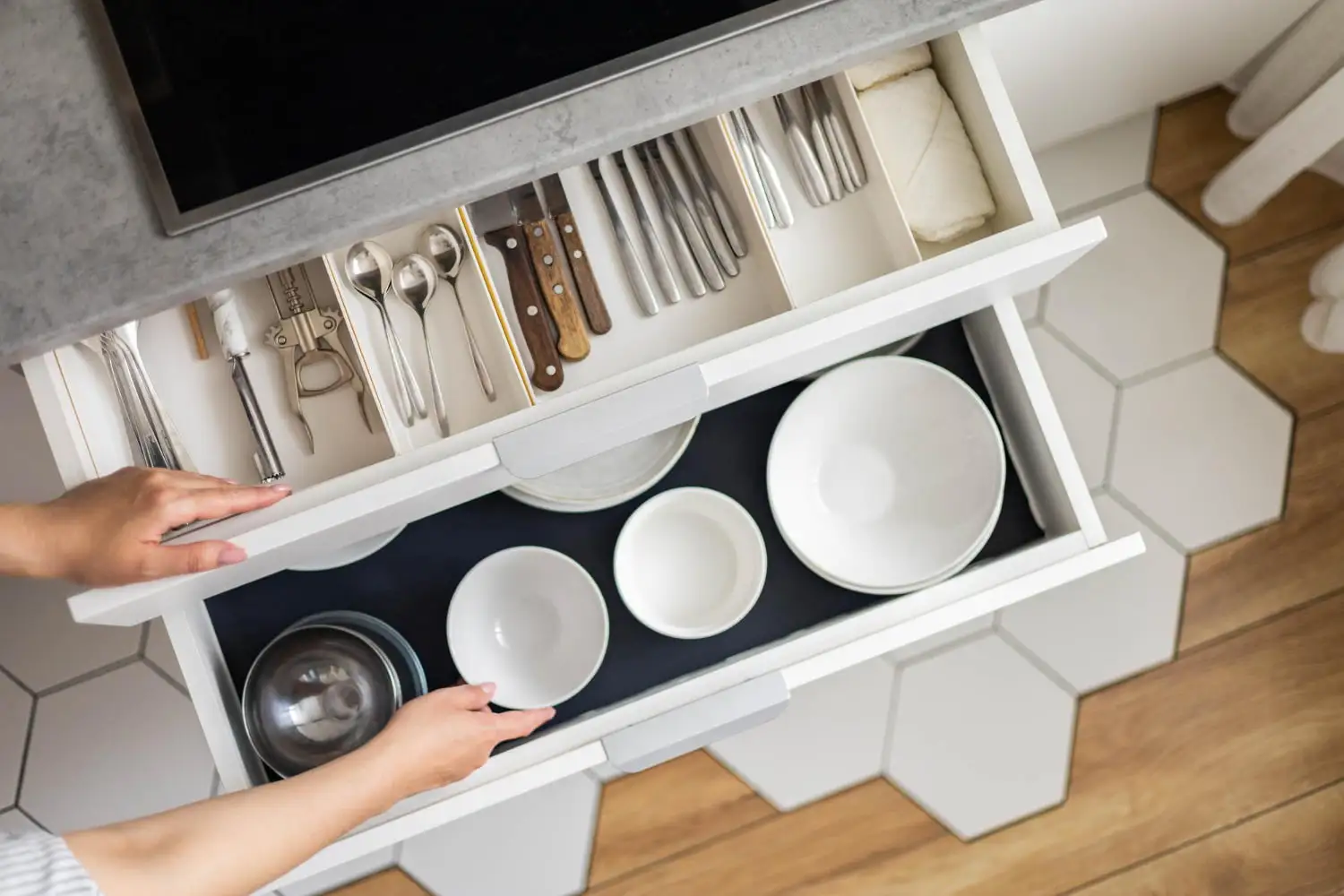
Cabinets are ideal for organized, concealed storage, helping to keep spaces tidy by hiding everyday items.
Cupboards provide easier access, whether open or closed, making them perfect for storing things you use frequently.
4. Material
Cabinets are made from higher-grade materials like solid wood, plywood, or even metal, giving them more durability.
Cupboards often use MDF, particleboard, or basic wood, which helps lower the cost but may impact lifespan.
5. Cost
Cabinets generally come with a higher price tag, especially if they are custom-built or semi-custom options.
Cupboards are usually more budget-friendly, making them a popular pick for cost-conscious homeowners.
6. Aesthetic
Cabinets come in a wide range of styles—from modern and sleek to ornate and traditional, depending on your taste.
Cupboards lean toward a cozier, rustic, or minimalist look, especially when freestanding.
7. Durability
With solid construction and quality materials, cabinets tend to offer long-term durability and resilience.
Cupboards can last a long time too, but durability depends on material quality, especially for more affordable options.
8. Customization
Cabinets offer high levels of customization, from drawer layout and lighting to finishes and hardware.
Cupboards have fewer customizable features, usually limited to color, door style, and shelving arrangement.
When to Choose Each One?
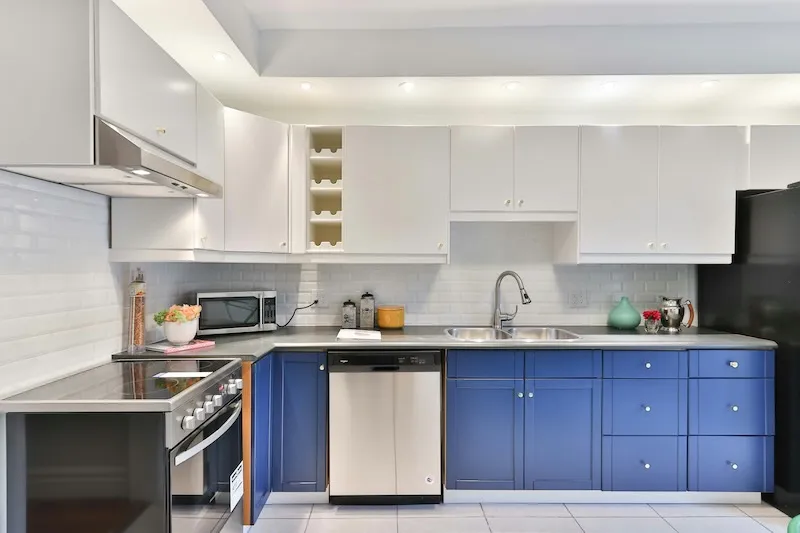
Knowing when to choose a cabinet or a cupboard can make your design decisions easier—and more cost-effective.
Choose a Cabinet When:
You’re aiming for built-in, enclosed storage that keeps everything organized and out of sight. Cabinets are perfect for modern kitchens or bathrooms, especially if you’re designing for the long haul and have a bit more budget to work with.
Choose a Cupboard When:
You want budget-friendly, flexible storage that’s easy to move or repurpose. Cupboards are great for casual spaces like hallways, bedrooms, or even laundry areas where you store linens, dishes, or seasonal items without needing fancy features.
FAQs
1. Are cabinets and cupboards the same thing?
Not quite. While both are for storage, cabinets are built-in and more complex, whereas cupboards are simpler and often freestanding.
2. Which is more expensive?
Cabinets generally cost more due to materials, construction, and customization.
3. Can a cupboard be used in place of a cabinet?
Yes, but it depends on the space. Cupboards work well for light storage; cabinets suit areas needing organization and protection.
4. What’s more durable, cabinet or cupboard?
Cabinets, especially custom or semi-custom ones, are usually built to last longer.
5. Which term is more common in the U.S.?
“Cabinet” is more commonly used in American English, especially in kitchens and bathrooms.
Conclusion

While cabinets and cupboards often serve similar purposes, their design, structure, and use cases set them apart. Understanding these differences helps you choose the right storage solution for your space, whether you’re prioritizing style, function, or budget.
Ready to upgrade your storage? Take a closer look at your needs and space, then decide whether a cabinet’s sleek structure or a cupboard’s cozy charm suits you best. Choose smart, and enjoy the perfect blend of function and design!





 English
  Italian
  French
  German
  Spanish
  Portuguese
  Japanese
  Korean
  Russian
  Arabic
  Thai
Thai  Chinese