When it is time to renovate your kitchen, deciding whether to paint or stain your cabinets is very important. This choice shall influence the way your kitchen’s interior looks along with the overall theme and aesthetic of your home. Therefore, before making any decision, it is best to first measure the pros and cons of both options carefully. With the right knowledge regarding the differences between painted vs stained cabinets, you can make a sound choice for the kitchen’s remodeling.
So, let’s dive into the details.
What are Painted Cabinets?
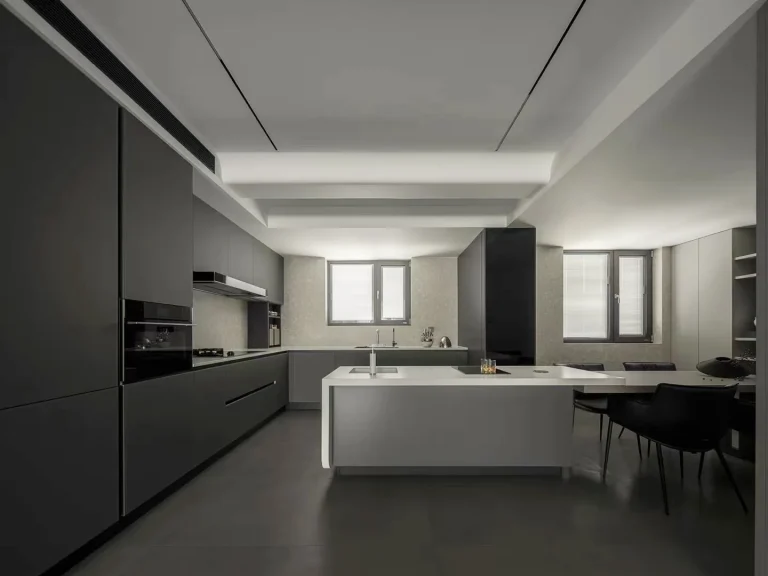
Painted cabinets are a great choice for anyone looking for a fresh and modern culinary space. You can easily achieve this look by painting the cabinets’ surfaces. Additionally, you can also be in full control of the cabinet color choices.
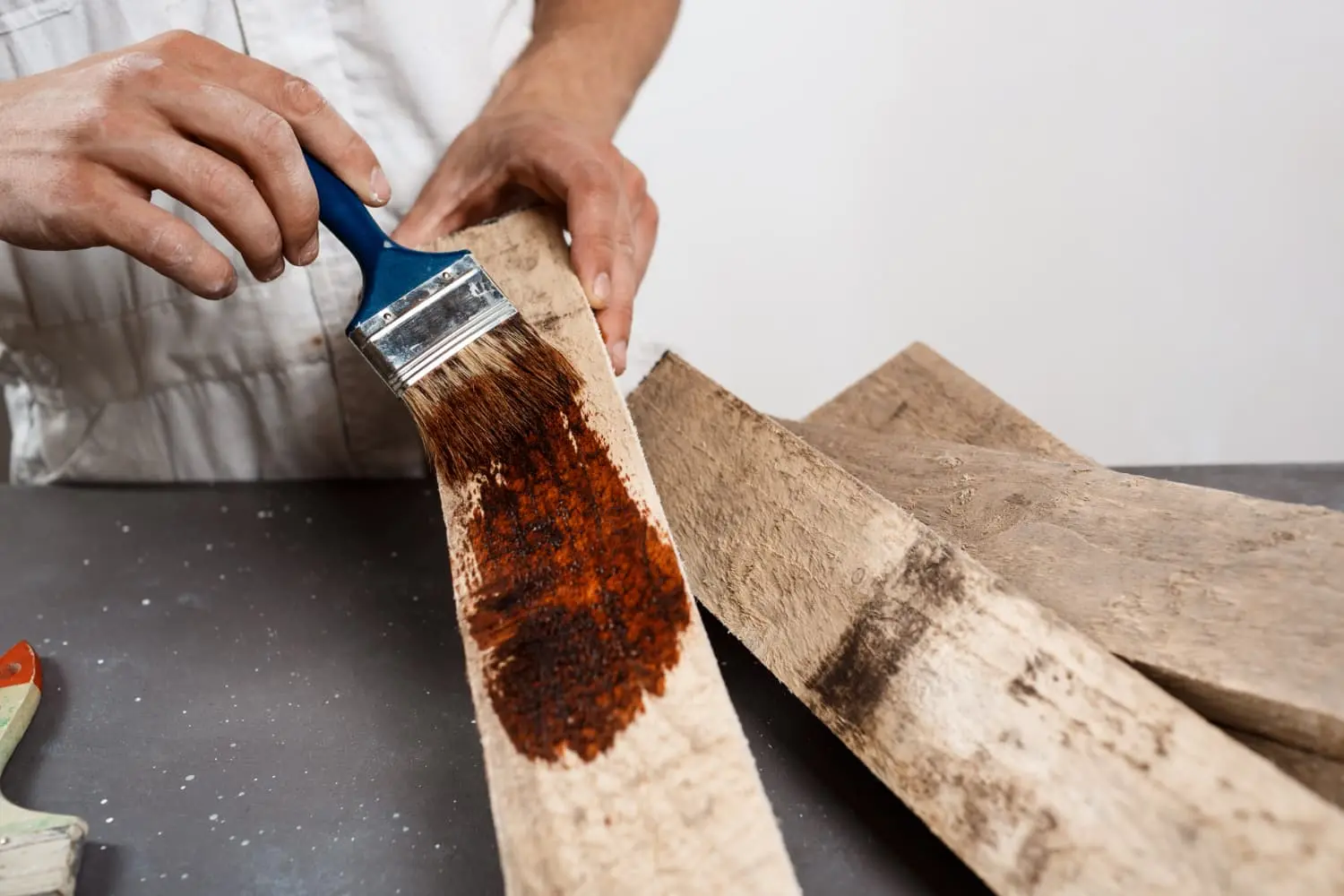
Pros
- Versatility in Colors: Painted cabinets offer various color choices. This shall help you choose a shade that works best with your home’s theme and interior.
- Modern Aesthetics: These furniture pieces provide a fresh, sleek, and modern feel to the culinary room they are installed in.
- Easy Cleaning: Painted surfaces are easier to clean and maintain. Therefore, choosing this style will help take care of any messes, drops, or stains you encounter with daily use.
What is the Concept behind Stained Cabinets?
On the contrary, stained cabinets showcase the organic richness of wood. The staining process brings out and accentuates the wood’s grain and texture as opposed to painting over it.
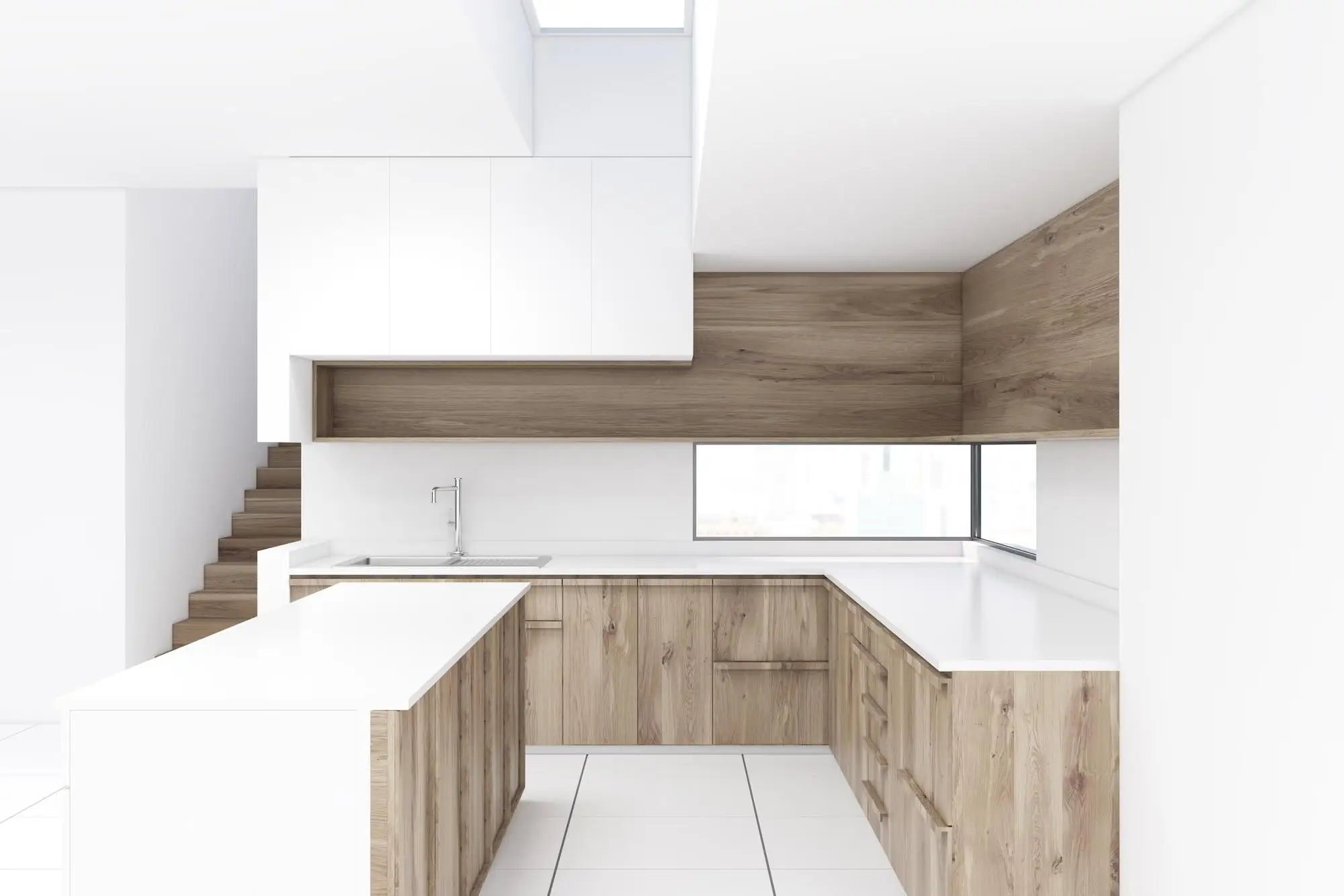
Pros
- All-Natural: They enhance the ambiance and personality of your kitchen by allowing the inherent beauty of the wood to shine through.
- Timeless Appeal: The timeless appeal of stained wood cabinets can raise your home’s resale value.
How to Choose Between Painting or Staining Cabinets?
Here are some things to consider when choosing between painting and staining your kitchen cabinets.
Durability
Usually, paint offers greater resistance and endures better than stain. It creates an actual coating over the wood’s surface and prevents damage from water, heat, and scratches. Contrarily, stain permeates the structure of the wood. While it enhances the natural grain, it does not protect the wood itself. However, stained cabinets may need to be refinished more often.
Maintenance
Painted cabinets require more frequent touch-ups and repainting to maintain an even finish and color. Stained kitchen cabinets may only need re-staining every 5-10 years to refresh the color. Painted cabinets also show dirt, grime and marks more readily, so require more frequent wiping down.
Appearance
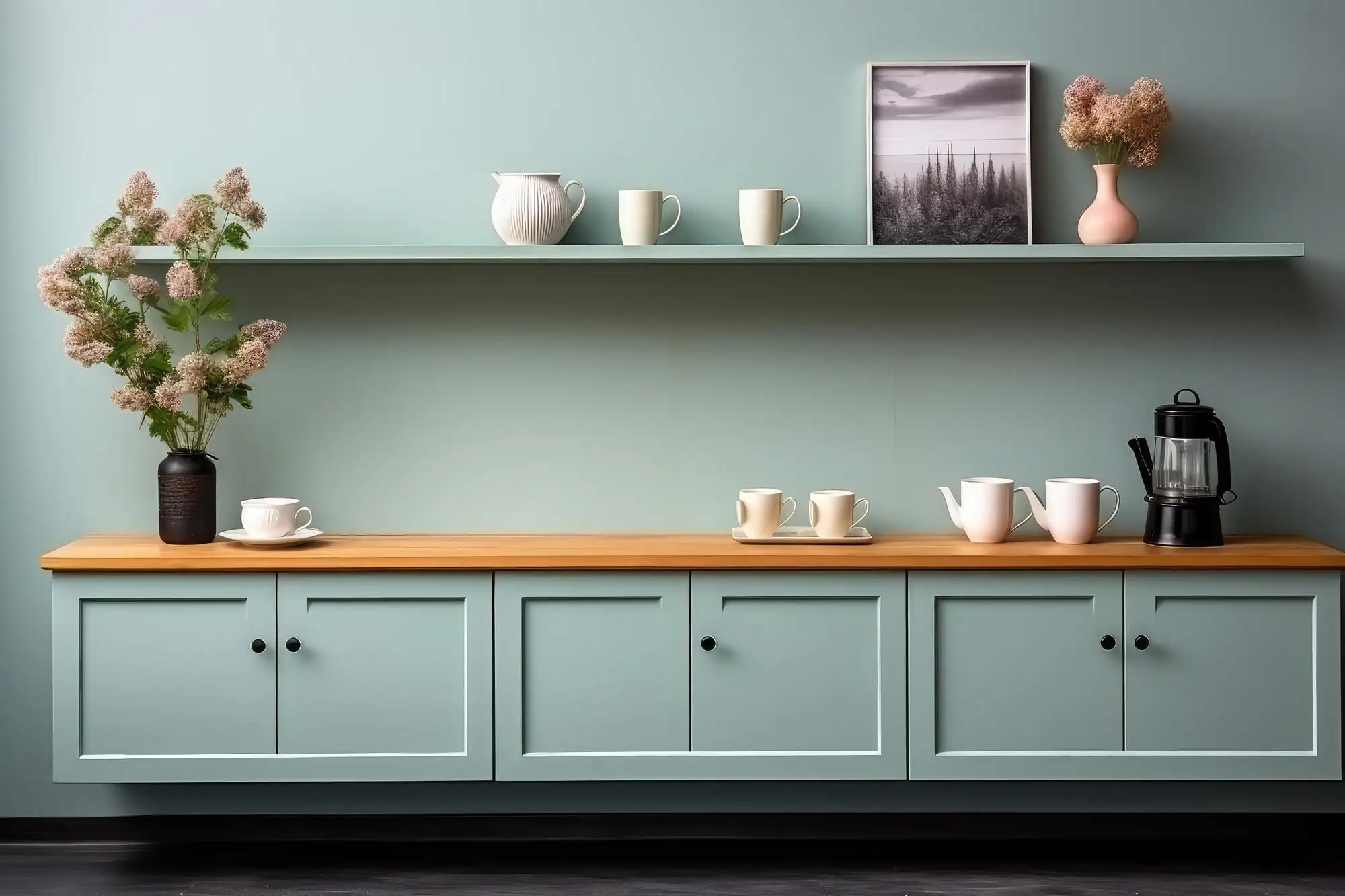
Paint is the best option if you prefer a solid and opaque color. Plus, it comes in a wide range of hues from bright whites to deep accent colors. Stain, conversely, allows the natural wood grain to stand out. Moreover, stain comes in natural wood tones and accentuates the inherent beauty of the wood. For a rustic look, stain is ideal. Whereas, for a more modern style, paint may be preferable.
Cost
In general, painting cabinets tends to be less expensive than staining and refinishing cabinets. Paint only requires a light sanding of the surface, while stain often needs the wood stripped and sanded before application. Paint is also doable as a DIY project, while staining may need professional help to get a uniform, high-quality finish.
Essential Tips for Maintaining Painted or Stained Cabinets
The following suggestions will help you arrange and maintain for your freshly stained or painted cabinets:

Cleaning and Degreasing
When painting or staining, you will first need to carefully clean the kitchen cabinets to get rid of any grease or debris. Scrub away any accumulated grime using a degreaser or powerful cleanser. Rinse thoroughly using water and let it entirely air out. Degreasing helps the new finish properly adhere.
Light Sanding
The cabinets should be lightly sanded to create “tooth” for the new finish to adhere to. Sand in the plane of the grain of the wood while using fine-grit sandpaper (around 220 grit). Wipe away dust with a tack cloth.
Apply Primer
When painting kitchen cabinets, use a primer made for that material’s cabinetry (wood, laminate, etc.). Essentially, less paint is needed in total because primer improves paint adhesion. Prior to painting, let the primer dry as instructed.
Apply Topcoats
Apply at least two coats of the selected paint or stain, waiting the time advisable between each coating. The greater the coats, the better the protection. Plus, you get an even finish. In the case of paint, take a brush to paint corners, edges, and hardware, then roll the large, flat areas. For stain, use a brush to apply and wipe away excess.
Protect the Finish
To protect your cabinet’s aesthetic and design, apply two coats of polyurethane or acrylic sealant. Water-based versions provide adequate protection for most cabinets and have low odor and toxicity. Oil-based options are more durable but have strong fumes. Re-seal painted or stained cabinets every few years to maintain protection.
FAQs Related Painted or Stained Cabinets
Choosing between painted and stained cabinets hinges on personal preferences, costs, and current trends. While both have their merits, mixing the two can achieve a unique kitchen aesthetic. Proper preparation is essential when transitioning from one finish to another.






 English
  Italian
  French
  German
  Spanish
  Portuguese
  Japanese
  Korean
  Russian
  Arabic
  Thai
Thai  Chinese