Raised panel and flat panel cabinet doors each offer unique styles for your kitchen cabinet.
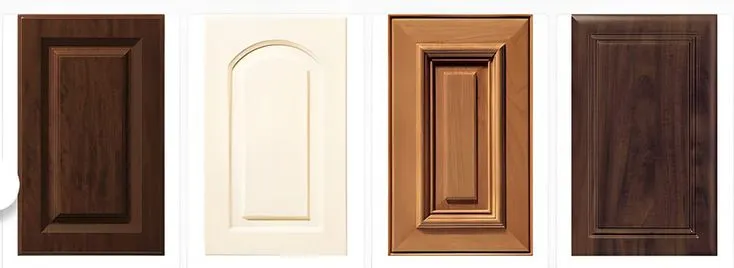
Raised panels bring a luxurious, traditional look, while flat panels provide a modern, sleek aesthetic.
This guide helps you choose based on design, budget, and maintenance needs.
What Are Raised Panel Cabinet Doors?
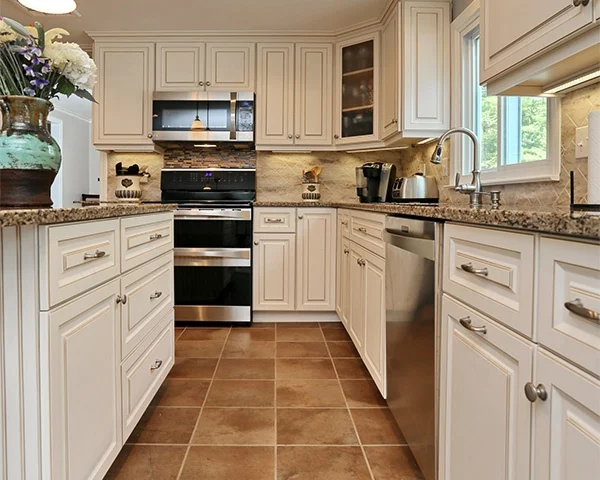
Raised panel cabinet doors feature a raised center panel surrounded by a frame, often crafted from solid wood or wood veneer.
Known for their intricate details like arched or curved designs, they add a classic, luxurious touch to traditional kitchens.
What Are Flat Panel Cabinet Doors?

Flat panel cabinet doors feature a simple, flat center panel with a frame, often in shaker-style.
Ideal for modern and minimalist designs, they come in various finishes, including wood and laminate, offering versatility and sleek style for any kitchen.
Main Comparison: Raised Panel vs. Flat Panel Cabinet Doors
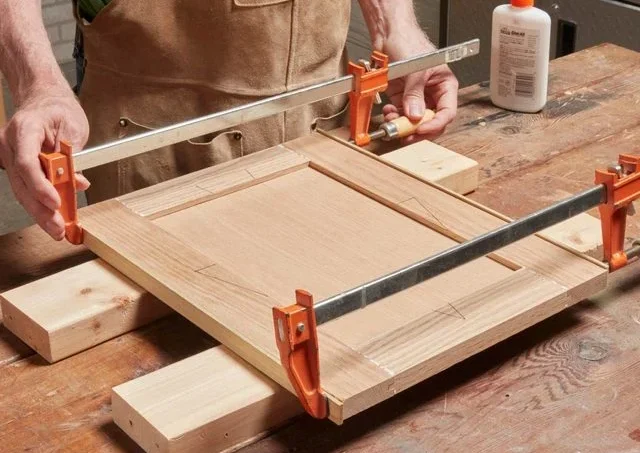
Here’s a quick rundown of the key differences between raised panel and flat panel cabinet doors.
This comparison will help you decide which style suits your kitchen’s design and your needs.
1. Aesthetic Appeal
Raised panel cabinets offer a traditional, luxurious look with detailed design elements like curved or arched panels. They add a high-end touch to kitchens that lean toward classic or vintage designs.
Flat panel cabinets, on the other hand, have a sleek and modern design, perfect for kitchens with a minimalist or contemporary vibe. Their clean, simple lines make them ideal for modern interiors.
2. Material and Construction
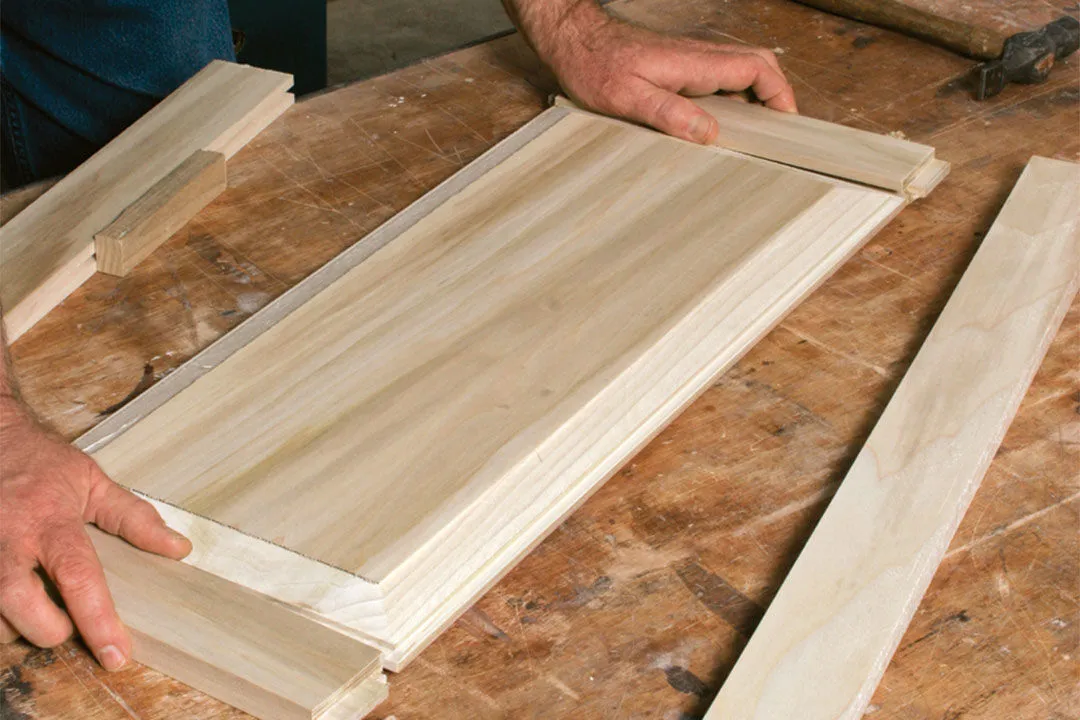
Raised panel doors are typically made from solid wood or wood veneer, providing a durable and premium feel. The construction process is intricate, making them more costly but long-lasting.
Flat panel doors are made from more affordable materials such as MDF, plywood, or laminate, which keep costs down while still offering good durability and style. They have a simpler build, which can be a bonus for those on a budget.
3. Customization and Detailing
With raised panel doors, you have plenty of room for customization. You can choose from various stains, finishes, and detailed craftsmanship to match your kitchen’s style, whether luxurious or traditional.
Flat panel doors offer a clean, simple aesthetic, but customization options are more limited. You can add hardware such as knobs and handles, but the design itself is minimalist and straightforward.
4. Maintenance
Raised panel cabinets require more maintenance due to the intricate edges and grooves that can trap dust and grime. Regular cleaning and polishing are essential to keep them looking their best.
Flat panel cabinets are easier to maintain. Their smooth, flat surfaces mean less buildup of dirt or grease, making them a low-maintenance option for those with busy lifestyles.
5. Durability
Raised panel doors are built to last, especially when made from solid wood. They offer strength, stability, and can handle wear over time without warping, making them a long-term investment.
Flat panel doors, though sturdy, are typically made from lighter materials like MDF. They are more prone to warping or damage from excessive heat or humidity but still offer good reliability for modern kitchens.
6. Cost
Raised panel doors are more expensive due to their detailed craftsmanship, high-quality materials like solid wood, and the extra work needed in manufacturing. These doors are ideal for those looking for a luxury finish.
Flat panel doors are more budget-friendly. The simpler construction and use of materials like MDF or plywood keep the costs lower, making them a great choice for those on a budget without compromising on style.
7. Suitability for Kitchen Styles
Raised panel cabinets are perfect for traditional and transitional kitchens. They bring a rich, classic feel to spaces that prioritize ornate, luxurious designs.
Flat panel cabinets work best in modern, minimalist, or farmhouse kitchens. Their simple, contemporary design suits spaces that emphasize clean lines and a streamlined look.
How to Choose Between Raised Panel and Flat Panel Cabinet Doors

When choosing between raised panel and flat panel cabinet doors, consider your kitchen’s style, budget, and maintenance needs.
- Raised Panel Cabinets: Ideal for traditional, luxurious designs, they offer superior customization with solid wood materials but require more maintenance and come at a higher price.
- Flat Panel Cabinets: Best for modern, minimalist kitchens, they are budget-friendly, easy to clean, and made from cost-effective materials like MDF and plywood.
FAQs
1. Are Flat Panel Cabinets Easy to Install?
Flat panel cabinets are relatively easy to install due to their simple design and fewer detailed parts. This makes them a cost-effective option for homeowners looking for a DIY-friendly project. However, professional installation is still recommended for the best results.
2. Do Raised Panel Cabinets Require More Cleaning?
Yes, raised panel cabinets require more cleaning due to their intricate grooves and detailed design. Dust and grease can accumulate in the crevices, so regular polishing and maintenance are necessary to keep them looking their best. Flat panels are easier to clean, with fewer grooves.
3. Which Materials Are Best for Raised or Flat Panel Doors?
For raised panel doors, solid wood and wood veneers are the best choices, offering durability, a premium look, and long-lasting performance. For flat panel doors, materials like MDF, plywood, and laminate are commonly used. These materials are cost-effective and work well in modern, sleek designs.
Conclusion
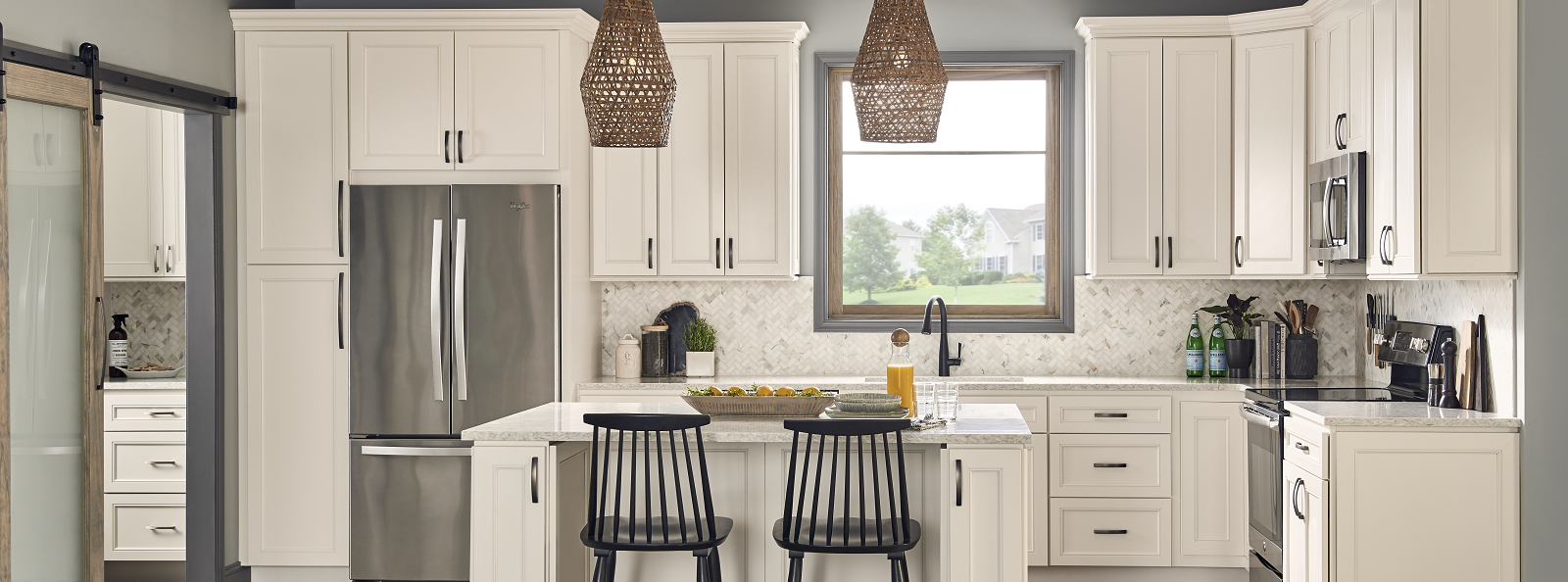
Raised panel cabinets offer a timeless, luxurious look ideal for traditional kitchens, while flat panel cabinets provide a modern, sleek design that’s easy to maintain and more affordable. Choose based on your style, budget, and maintenance preferences.
Explore both options to find the perfect cabinet doors for your kitchen. Contact us for personalized recommendations and guidance on choosing the best style for your needs!




 English
  Italian
  French
  German
  Spanish
  Portuguese
  Japanese
  Korean
  Russian
  Arabic
  Thai
Thai  Chinese