Choosing between open shelves and kitchen cabinets depends on your storage, style, and budget needs.
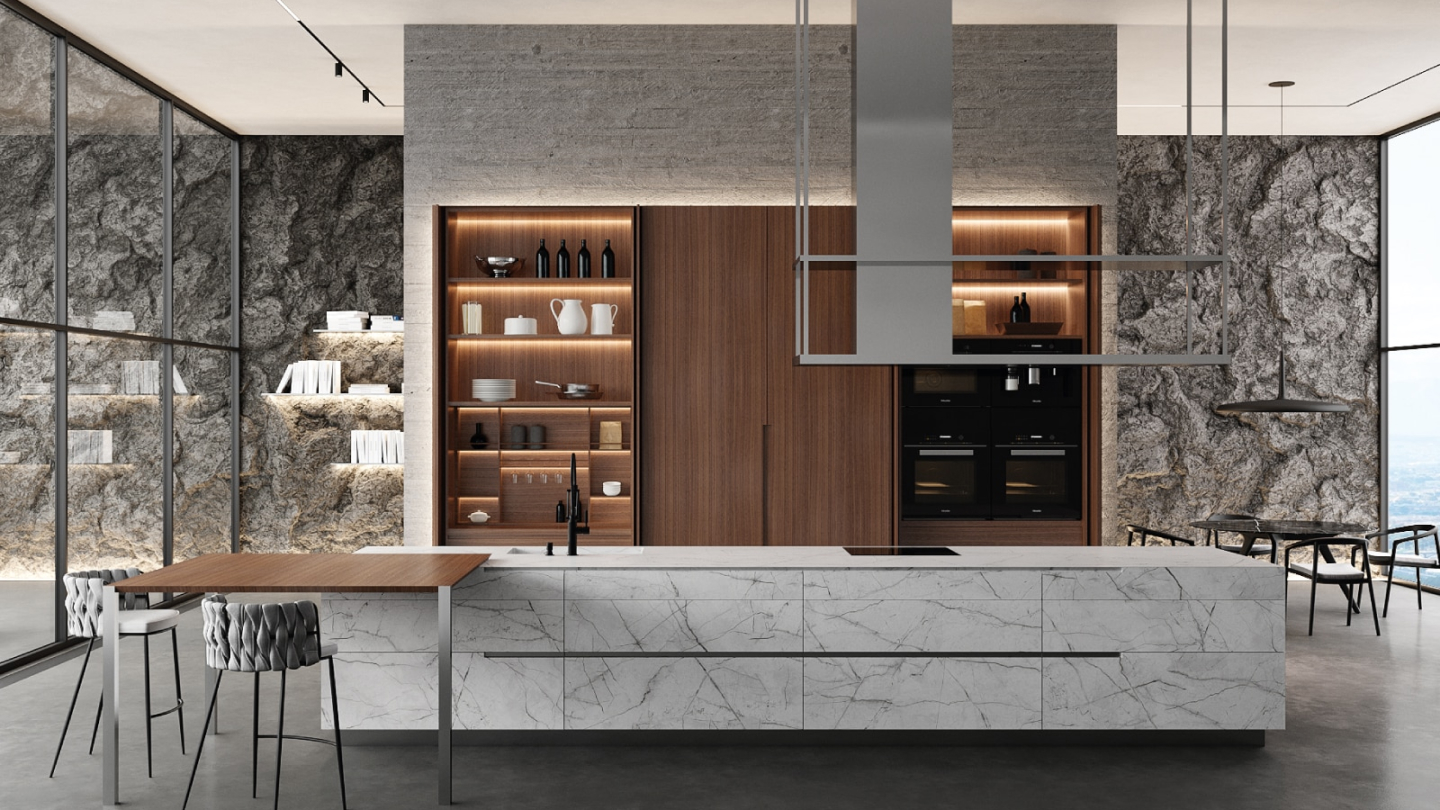
Open shelving offers a modern, airy look, while cabinets provide reliable, concealed storage.
We’ll explore both options to help you decide.
What is Open Shelving?
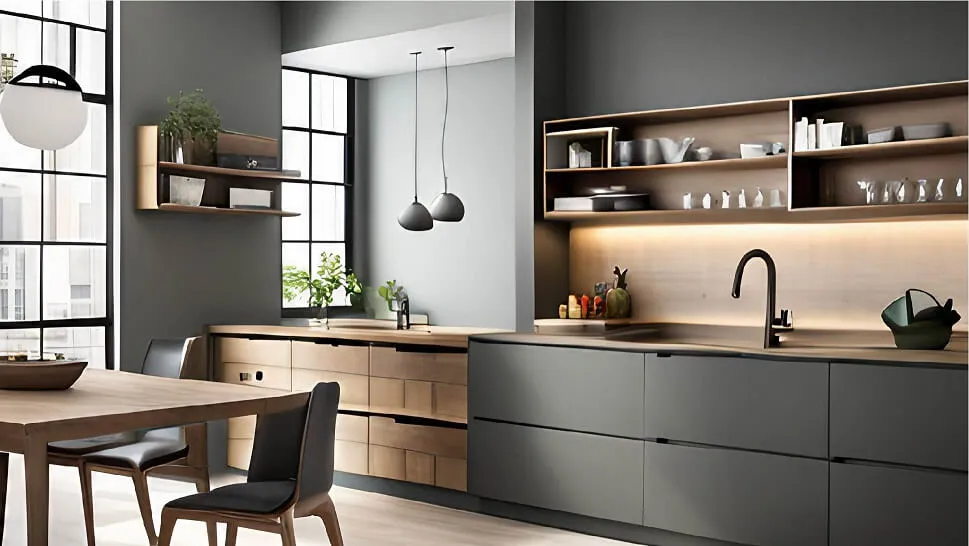
Open shelving features exposed storage without cabinet doors, creating a light, spacious, and personalized kitchen feel.
Common materials include wood for warmth, metal for an industrial vibe, and glass for a bright, airy look that fits various kitchen styles.
What are Kitchen Cabinets?
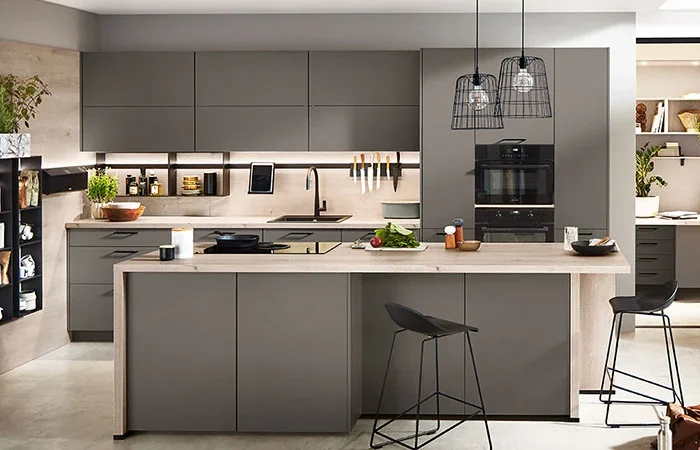
Kitchen cabinets feature enclosed storage that keeps kitchen essentials hidden and protected.
Popular materials include solid wood like oak or maple and MDF with laminate or veneer finishes, offering options from classic painted looks to modern lacquered styles.
Main Comparisons: Open Shelving vs Kitchen Cabinets

Here’s a breakdown of the key differences between open shelving and kitchen cabinets, to help you decide which suits your kitchen needs.
1. Storage Space
Kitchen cabinets offer significantly more storage compared to open shelves, making them ideal for larger kitchens or families.
Cabinets can hide away all kinds of kitchen essentials, from appliances to pantry items, keeping your kitchen organized and clutter-free.
2. Accessibility
Open shelving allows for easy access to everyday items, reducing the need to open cabinet doors.
This makes it perfect for frequently used dishes or ingredients. However, it requires careful organization to avoid looking cluttered.
3. Aesthetic Appeal
Open shelving creates a minimalist and airy feel that works well in modern kitchens.
On the other hand, kitchen cabinets offer more design versatility, with numerous styles, finishes, and materials, making them perfect for both traditional and contemporary spaces.

4. Cleaning and Maintenance
With open shelves, you’ll need to clean more frequently to prevent dust and grease buildup.
Kitchen cabinets, with their enclosed storage, are much easier to maintain, keeping items out of sight and protected from dust and grease.
5. Cost
Open shelving tends to be more budget-friendly compared to kitchen cabinets, especially if you opt for DIY installation.
However, cabinets provide long-term value by offering more storage and often increasing the overall resale value of your home.
6. Design Flexibility
While open shelves offer a stylish and decorative way to showcase items, kitchen cabinets provide endless options for customization with different materials, finishes, and hardware, allowing you to create a look that matches your unique kitchen style.
How to Choose Between Open Shelving and Cabinets

Choosing between open shelving, kitchen cabinets, or a combination depends on your storage needs, style, and long-term goals. Here’s a quick guide:
- Cabinets: Best for hidden storage of bulky or less attractive items.
- Open Shelves: Perfect for displaying decorative or frequently used pieces.
- Glass-Front Cabinets: Ideal for showcasing items while offering dust protection.
For a more sustainable kitchen, select FSC-certified wood and eco-friendly finishes, and prioritize durable materials to ensure a longer-lasting design. Combining both styles smartly gives you a kitchen that’s both functional and beautiful.
FAQs
1. Is open shelving suitable for small kitchens?
Yes, open shelving can work well in small kitchens. It helps create the illusion of more space by keeping the kitchen feeling open and less bulky. However, it requires careful organization to avoid making the space look cluttered. Open shelves work best when only a few items are displayed, keeping the look clean and simple.
2. How can I prevent open shelving from looking cluttered?
To avoid a cluttered look, follow the “less is more” rule. Only display the items that are both useful and aesthetic. Regularly edit and rotate what’s on the shelves to keep it fresh. Adding decorative baskets or boxes to hold smaller items can also help keep things organized without compromising the look.
Conclusion
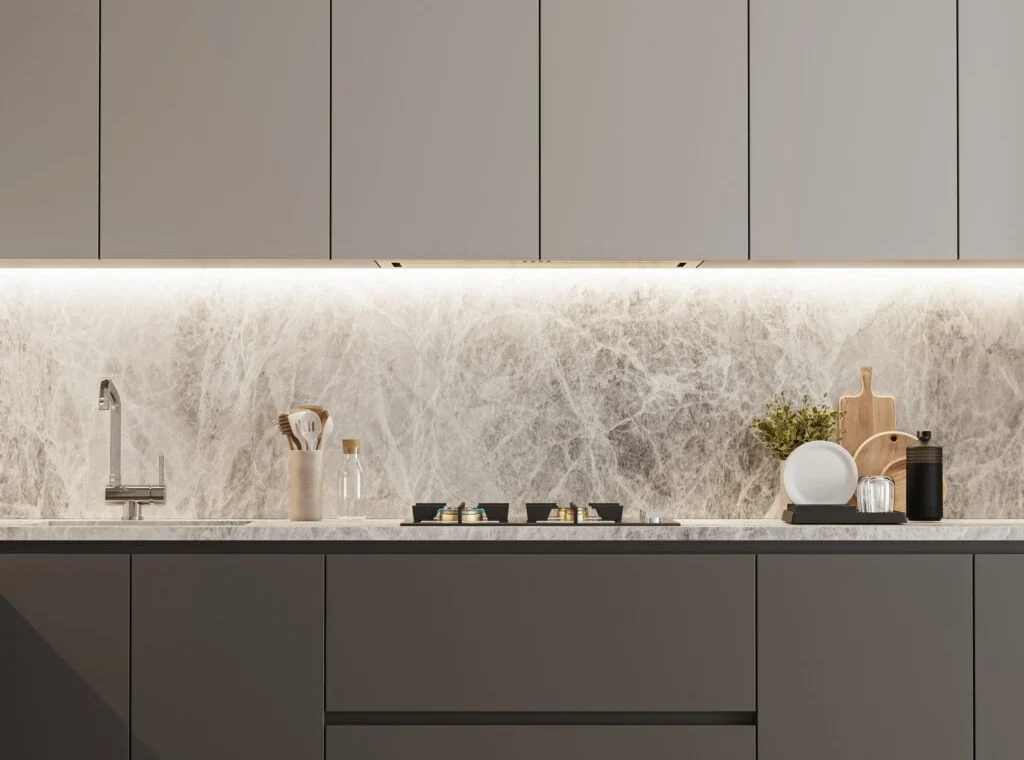
Open shelving offers an airy look and easy access but needs frequent cleaning. Kitchen cabinets provide more storage and conceal clutter but cost more.
Choose based on your storage needs, style, and maintenance preference, explore more and contact us for personalized advice.







 English
  Italian
  French
  German
  Spanish
  Portuguese
  Japanese
  Korean
  Russian
  Arabic
  Thai
Thai  Chinese