Kitchen cabinets are an essential part of any modern kitchen, providing homeowners with ample storage space and a stylish look. However, the history of kitchen cabinets is a fascinating one that dates back to the early 20th century. From Hoosier cabinets to modern designs, the evolution of kitchen cabinets has been marked by innovation and creativity.
The first kitchen cabinets were designed to be practical and functional, with Hoosier cabinets being one of the earliest examples. These cabinets were named after the Hoosier Manufacturing Company, which was based in Indiana and produced the first mass-produced kitchen cabinets in the early 1900s. Hoosier cabinets were designed to be compact and efficient, with built-in flour sifters, spice racks, and other features that made cooking and baking easier.
Over the years, kitchen cabinets have evolved to become more than just functional storage spaces. Today’s modern designs are sleek and stylish, with a wide range of materials and finishes to choose from. From traditional wood cabinets to contemporary glass and metal designs, there is a kitchen cabinet style to suit every taste and budget.
The Origin of Kitchen Cabinets
Hoosier Cabinets
The history of kitchen cabinets dates back to the early 20th century when the Hoosier Manufacturing Company introduced the first mass-produced kitchen cabinets. These cabinets were designed to be functional and practical, with features such as built-in flour sifters, spice racks, and pull-out work surfaces. They were named after the Hoosier State, where the company was based, and quickly became popular throughout the United States.

Early European Influence
While the Hoosier cabinets were the first mass-produced kitchen cabinets in the United States, the concept of kitchen cabinets can be traced back to Europe in the 18th century. At that time, kitchen cabinets were typically made of solid wood and were used to store kitchen utensils, dishes, and other items.
The concept of kitchen cabinets continued to evolve throughout the 19th century, with more and more features being added to make them more functional and practical. By the turn of the 20th century, kitchen cabinets had become an essential part of the modern kitchen.
In summary, the history of kitchen cabinets can be traced back to Europe in the 18th century, but it was the Hoosier Manufacturing Company that introduced the first mass-produced kitchen cabinets in the United States. These cabinets were designed to be functional and practical, and they quickly became popular throughout the country.
Evolution of Kitchen Cabinets in the 20th Century
Post-War Boom
Following World War II, the US experienced a housing boom, which led to an increase in the demand for kitchen cabinets. During this time, kitchen cabinets were often made of wood, and designs were simple and functional. Many cabinets had a natural finish, while others were painted in pastel colors to match the popular kitchen color schemes of the era.
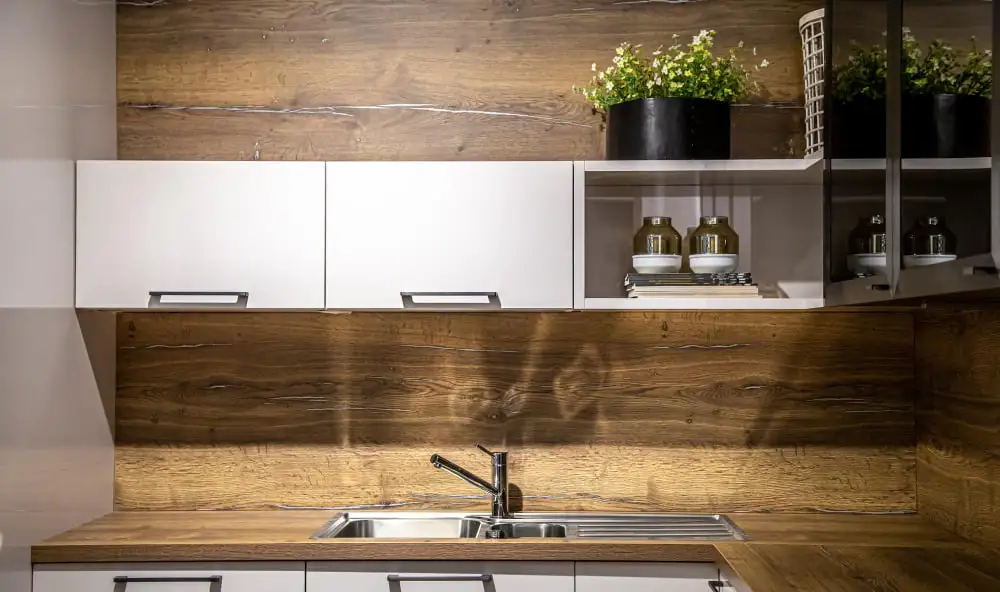
In the 1950S, kitchen cabinets manufacturers began to experiment with new materials, such as laminates and plastics, which allowed for more colorful and durable options. This led to a shift in design, with more attention paid to aesthetics and style.
Introduction of Modular Designs
In the 1960s and 1970s, modular designs became popular, allowing for greater flexibility and customization. Cabinets were designed to be easily assembled and disassembled, making it easier to install and replace individual parts.
During this time, there was also a trend towards open shelving and glass-fronted cabinets, which allowed homeowners to showcase their dishes and other kitchenware. This trend reflected a growing interest in home decor and the desire to personalize living spaces.
Overall, the evolution of kitchen cabinets in the 20th century reflected changing trends in home design and the desire for greater functionality and style. Manufacturers continue to experiment with new materials and designs, ensuring that kitchen cabinets remain a key component of modern kitchens.
Modern Kitchen Cabinets
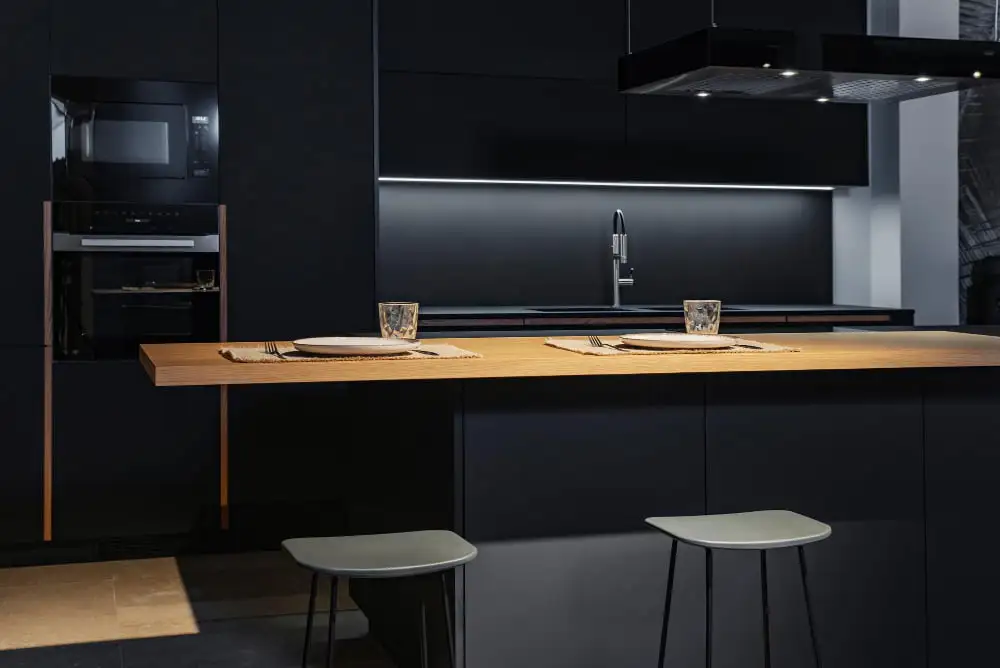
Modern kitchen cabinets have come a long way from their humble beginnings as simple storage spaces for cookware and utensils. Today’s modern kitchen cabinets are sleek, stylish, and functional, designed to meet the needs of the modern homeowner.
Material Innovations
One of the most significant changes in modern kitchen cabinets is the use of innovative materials. While traditional cabinets were typically made of wood, modern cabinets are often made of materials like metal, glass, and even plastic. These materials offer a range of benefits, including durability, ease of cleaning, and a modern aesthetic.
Metal cabinets, for example, are incredibly durable and resistant to scratches and dents. Glass cabinets, on the other hand, offer a sleek and modern look while also allowing homeowners to showcase their dishware and glassware.
Smart Cabinets
Another significant innovation in modern kitchen cabinets is the integration of smart technology. Smart cabinets are designed to make life easier for homeowners by incorporating features like touchless opening and closing, built-in lighting, and even charging stations for electronic devices.
Smart cabinets are also designed to be more energy-efficient, with features like LED lighting and automatic shut-off systems that help reduce energy consumption.
In conclusion, modern kitchen cabinets have come a long way from their early beginnings. With innovative materials and smart technology, today’s modern cabinets offer a range of benefits that make them a popular choice for homeowners looking to update their kitchens.
Future of Kitchen Cabinets
Sustainability Trends
As people become more environmentally conscious, sustainability in kitchen cabinet design is becoming increasingly important. Consumers are looking for materials that are eco-friendly, durable, and easy to maintain. Some of the most popular sustainable materials for kitchen cabinets include bamboo, reclaimed wood, and recycled materials.

Bamboo is a fast-growing and renewable resource that can be harvested without harming the environment. It is also durable and resistant to moisture, making it an ideal material for kitchen cabinets. Reclaimed wood, on the other hand, is salvaged from old buildings and repurposed into new products. It adds a unique character to kitchen cabinets and reduces the need for new lumber. Recycled materials such as plastic and glass are also being used to make eco-friendly kitchen cabinets.
Technological Advances
Advancements in technology are also shaping the future of kitchen cabinets. Smart cabinets that can be opened and closed with the touch of a button are becoming more popular. These cabinets can be controlled through a smartphone app, making it easier to access and organize kitchen items.
LED lighting is also being integrated into kitchen cabinets, providing a bright and energy-efficient solution. Motion sensors can be used to turn the lights on and off automatically, making it easier to find items in the dark.
In addition, 3D printing technology is being used to create custom kitchen cabinets. This technology allows for precise and intricate designs to be created quickly and efficiently. It also reduces waste by only using the exact amount of materials needed for each project.
Overall, the future of kitchen cabinets is focused on sustainability and technology. As consumers become more environmentally conscious and technology advances, kitchen cabinets will continue to evolve to meet the needs of modern homeowners.





 English
  Italian
  French
  German
  Spanish
  Portuguese
  Japanese
  Korean
  Russian
  Arabic
  Thai
Thai  Chinese