A 1/2 inch overlay refers to the portion of a cabinet door that extends 1/2 inch beyond the cabinet frame.
This overlay is crucial for kitchen cabinet hinges, as it impacts both functionality and aesthetics.

Choosing the right overlay ensures proper alignment, smooth operation, and enhances the overall design of your kitchen cabinets.
Understanding this measurement helps in selecting hinges that complement your kitchen style while ensuring ease of use and durability.
Understanding 1/2 Inch Overlay for Hinges
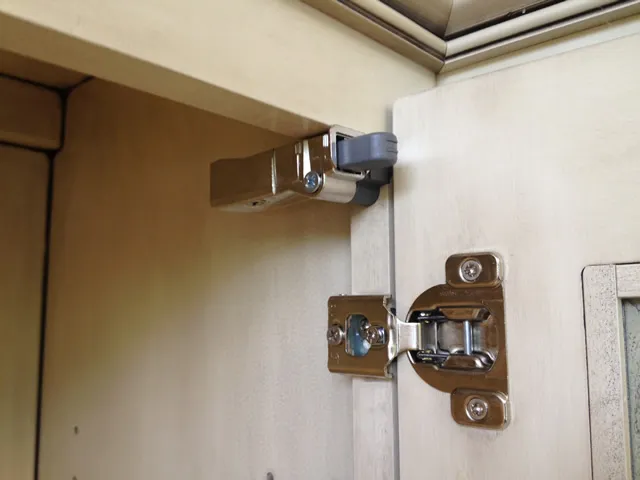
When choosing cabinet hinges, understanding the 1/2 inch overlay is essential for achieving the desired fit and look.
A 1/2 inch overlay means that the cabinet door extends half an inch beyond the cabinet frame, providing partial coverage of the frame.
This creates a balanced, layered appearance.
Unlike inset hinges that fit inside the frame, overlay hinges rest on the exterior, affecting both installation and aesthetics.
Commonly used in kitchen face-frame cabinets, the 1/2 inch overlay offers flexibility across various styles, ensuring a unified look with easy door operation.
Benefits of 1/2 Inch Overlay for Kitchen Cabinets

When considering a 1/2 inch overlay, its benefits make it a popular choice for homeowners.
This overlay provides an affordable solution without sacrificing style, making it ideal for budget-conscious renovations. Its design versatility suits various kitchen styles, from traditional to modern.
Additionally, the 1/2 inch overlay offers flexibility in hardware choices, allowing you to pick from a wide range of knobs, pulls, or beveled grips.
Here’s a more detailed breakdown:
- Cost-Effective: Provides a budget-friendly option for cabinet updates.
- Versatile Design: Fits both classic and contemporary kitchens.
- Hardware Flexibility: Allows various handle placements for customization.
How 1/2 Inch Overlay Affects Cabinet Hinges
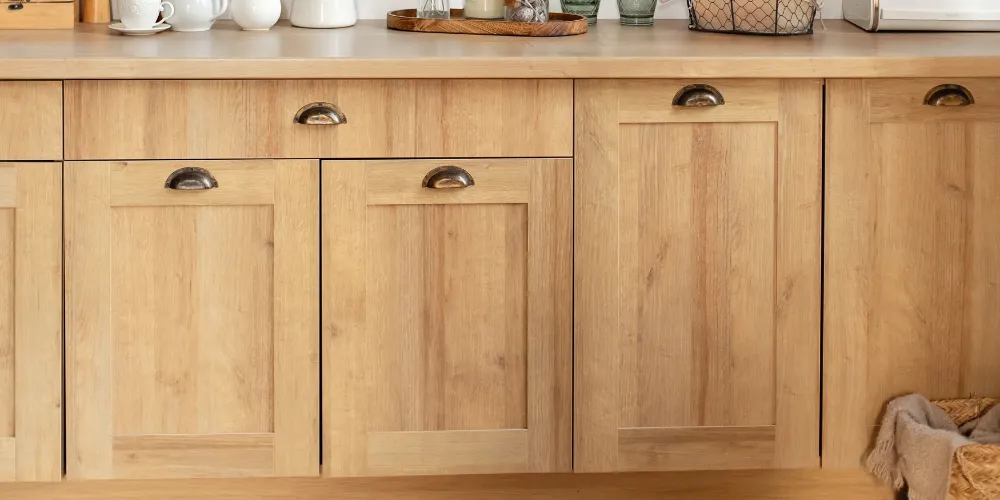
The role of overlays in cabinet design includes both functional and aesthetic aspects.
For a smooth transition, understanding how 1/2 inch overlays impact cabinet layout is essential.
- Positioning and Aesthetics
The 1/2 inch overlay allows the cabinet door to partially cover the frame, creating a balanced appearance while maintaining a traditional feel.
This overlay size offers flexibility with handle placement and customization options, striking a balance between traditional exposure and modern convenience.
It’s more customizable than smaller overlays, yet retains some frame visibility.
Types of Cabinet Hinges for 1/2 Inch Overlay
When choosing hinges for 1/2 inch overlay cabinets, it’s essential to understand the differences in hinge styles.
Each type offers unique functionality, allowing for the right balance between aesthetics and practicality.
#1. Concealed Hinges

Concealed hinges provide a modern, seamless look by hiding all the hardware within the cabinet door.
These hinges are commonly used for 1/2 inch overlays, offering a clean and streamlined design without visible parts.
They are popular in contemporary kitchen designs.
#2. Semi-Concealed Hinges
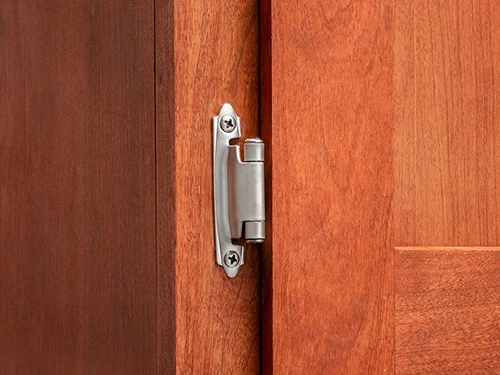
Semi-concealed hinges leave part of the hinge visible, offering a blend of traditional and modern styles.
These hinges are easier to adjust post-installation and are commonly used in kitchens aiming for a classic yet functional appearance.
#3. Full Wrap Hinges

Full wrap hinges are designed for heavier cabinet doors, adding sturdiness by wrapping around the face frame.
They offer extra support for 1/2 inch overlay cabinets, especially when durability is a priority.
#4. Variable Overlay Hinges

Variable overlay hinges provide flexibility in positioning, allowing users to adjust the overlay to their needs.
These hinges are useful when precise measurements are challenging, though they might not offer the same sturdiness as other hinge types.
Each hinge type has unique benefits based on aesthetic and functionality preferences, and the choice should be aligned with the kitchen’s design goals and door weight considerations.
Measuring for 1/2 Inch Overlay Hinges
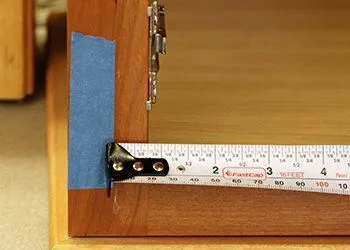
Accurate measurement is key for ensuring a proper fit with 1/2 inch overlay hinges.
Below are the steps for measuring single and double cabinet doors.
Single Door: To measure for a single door with a 1/2 inch overlay, first measure the cabinet opening’s width and height. Add 1/2 inch to both dimensions, which accounts for the door overlaying the frame by 1/2 inch on each side. This method ensures a correct, snug fit.
Double Door: Measuring for double doors requires extra care to prevent overlapping or gaps. Measure the opening width, divide by two, and then subtract 1/16 inch to allow space between the doors. Add 1/2 inch to both sides for height to ensure the doors sit correctly and open without friction.
1/2 Inch Overlay vs. Other Overlay Types

Understanding the differences between 1/2 inch overlay and other overlay types helps in making an informed decision:
Full Overlay: Full overlay covers the entire cabinet frame, providing a sleek and modern appearance. This type is often chosen in contemporary kitchens for a seamless look, allowing for maximum storage space without gaps between doors.
Partial Overlay: Partial overlay exposes more of the cabinet frame than the 1/2 inch overlay. This traditional design is commonly used in older or rustic kitchen styles, leaving larger gaps between doors and showing more of the frame.
Inset Hinges: Unlike overlays, inset hinges allow the cabinet door to sit flush with the cabinet frame. This provides a more custom and clean aesthetic, typically used in high-end cabinetry. However, inset hinges tend to be more expensive and require precise installation.
3/4 Inch Overlay: The 3/4 inch overlay offers more door coverage than the 1/2 inch but less than the full overlay. This type is often used in mid-century modern designs, providing a balance between traditional and contemporary looks.
Frameless Overlay: Frameless overlays, common in European-style kitchens, provide full coverage with no visible cabinet frame. This design emphasizes clean lines and is often combined with full-overlay hinges to achieve a streamlined, modern aesthetic.
Installing 1/2 Inch Overlay Hinges
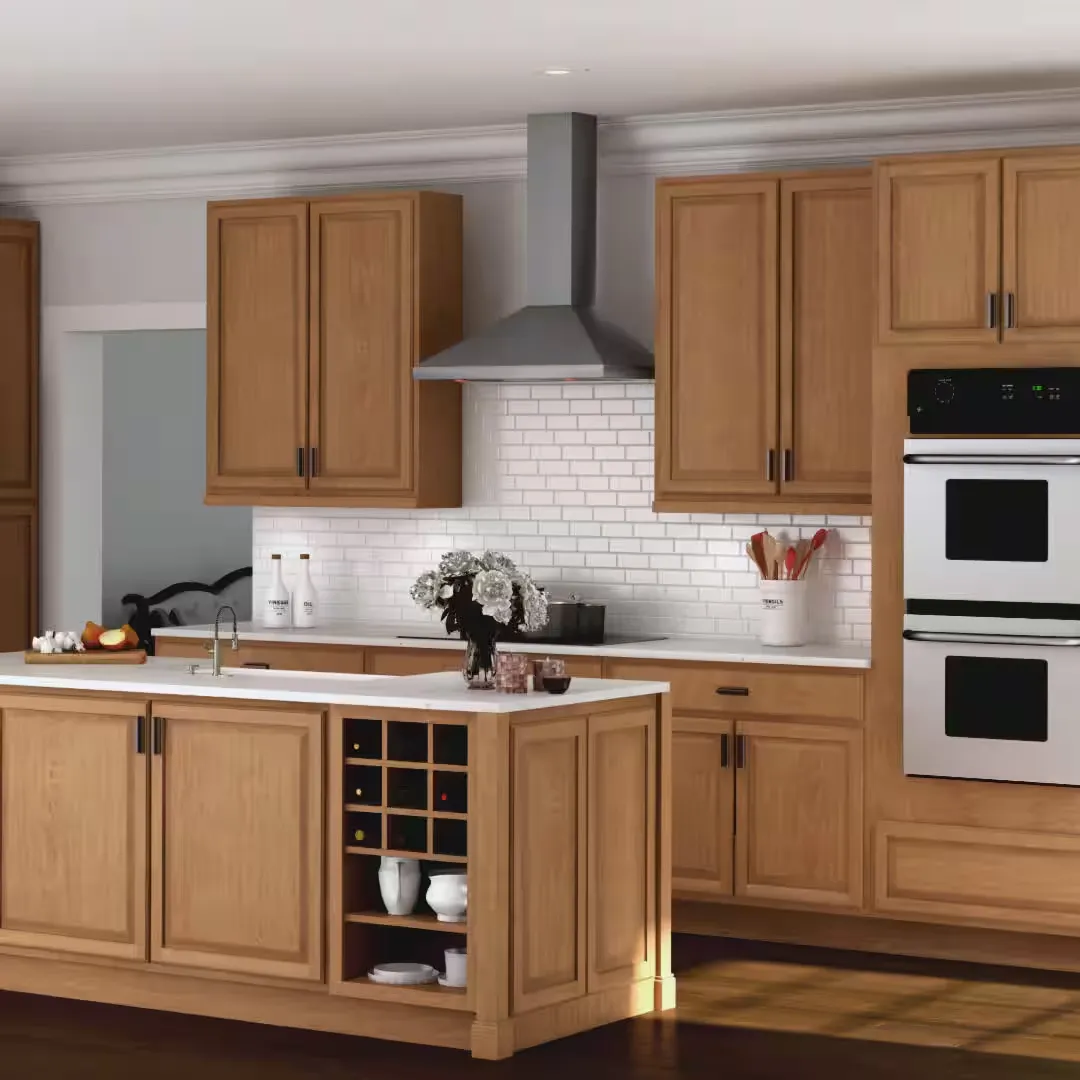
Correct installation of 1/2 inch overlay hinges is key to ensuring proper cabinet function.
Here’s a step-by-step guide:
1. Gather Tools
Essential tools include a drill, screwdriver, measuring tape, and a hinge template. Using a template ensures consistent placement for each hinge.
2. Mark Placement
Measure and mark where the hinges will be attached, ensuring they are evenly spaced. Use a pencil or marker to create visible guide marks.
3. Drill Pilot Holes
Pre-drill holes for the screws to prevent splitting the wood. This step ensures a more secure fit for the hinges.
4. Attach Hinges
Align the hinges with the pre-drilled holes and screw them in place. Tighten securely but avoid overtightening to prevent damage to the cabinet door.
5. Adjust for Fit
Once installed, make necessary adjustments to ensure the doors open and close smoothly, and that they align properly with the cabinet frame.
Conclusion
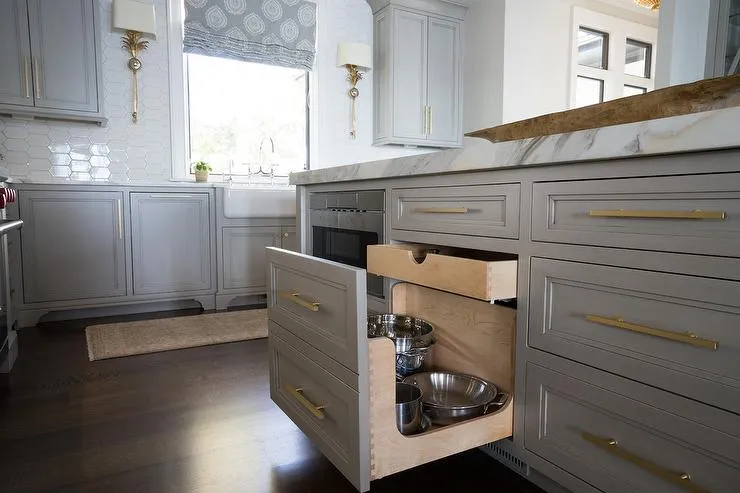
1/2 inch overlay hinges offer a perfect balance between modern and traditional designs, improving both the appearance and functionality of kitchen cabinets.
They are relatively easy to install, providing a seamless look.
Accurate measurement is key to ensuring that these hinges match your design goals, enhancing both aesthetics and utility.
Contact us for the right hinge ensures long-term satisfaction with your cabinetry.







 English
  Italian
  French
  German
  Spanish
  Portuguese
  Japanese
  Korean
  Russian
  Arabic
  Thai
Thai  Chinese