When planning a kitchen remodel or new build, one of the biggest decisions you’ll face is what material to choose for your cabinets.
It’s not just about looks—your choice will impact the value, durability, and overall feel of your kitchen for years to come.
Many homeowners find themselves torn between the classic charm of solid wood and the smart practicality of plywood. So, how do you know which one is right for you?
What Are Plywood Cabinets?
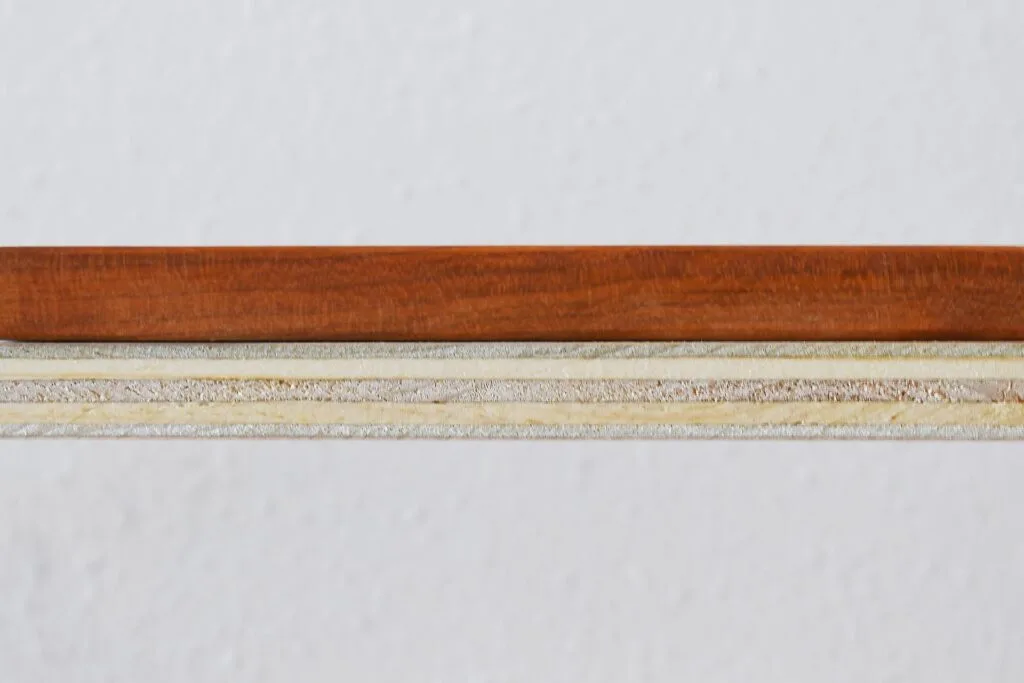
Plywood cabinets are made from engineered wood—thin layers of real wood, also called veneers, glued together with the grain of each layer running at right angles. This cross-grain construction adds strength and helps prevent warping or cracking over time.
Plywood comes in different grades, from A (highest quality) to D (more imperfections). You’ll also find hardwood core and softwood core options, which affect durability, weight, and price.
Plywood Cabinets: Quick Comparison
What Is Real Wood Cabinets?
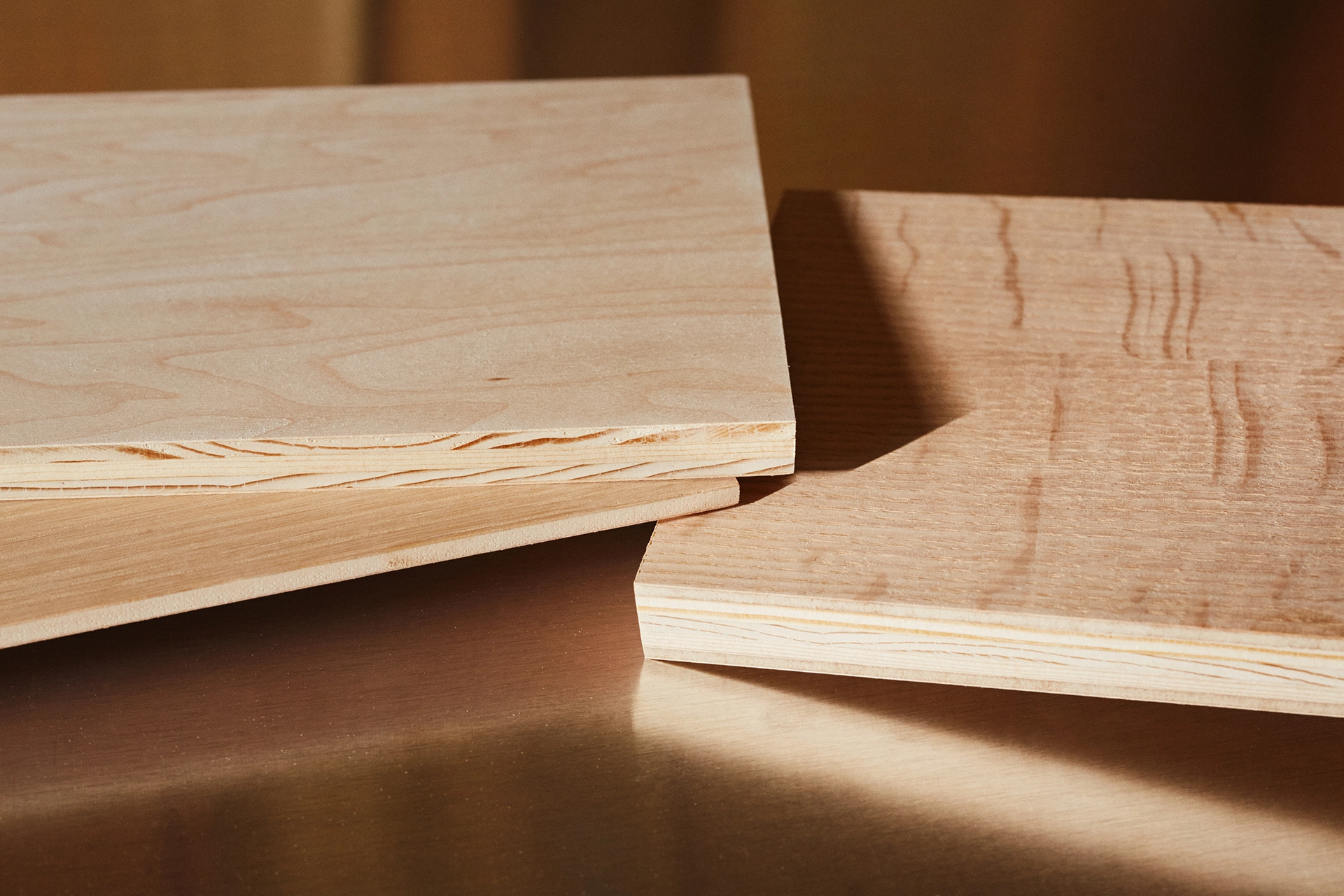
Real wood cabinets are made entirely from natural hardwood, not mixed with any composite or engineered materials. That means what you see is what you get—real, honest wood from front to back. Common types include maple, oak, and cherry, each offering its own unique grain pattern and natural beauty.
Real Wood Cabinets: Pros & Cons at a Glance
Key Comparison: Plywood vs. Real Wood Cabinets
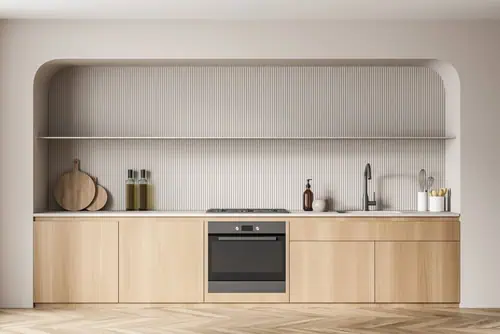
When choosing between Real wood and plywood cabinets, there are several key factors to consider that can greatly affect your decision.
While both options have their unique benefits, they also come with their own set of challenges. Here’s a quick comparison to help you make an informed choice.
1. Durability and Stability
Plywood: Engineered to be stable and less prone to warping, even in fluctuating conditions.
Real wood: Naturally stronger, but it can expand, contract, or crack with humidity or temperature changes.
2. Aesthetic Appeal
Real wood: Each piece offers a unique, natural grain that adds warmth, richness, and luxury to your space.
Plywood: Delivers a clean, uniform look, often enhanced with wood veneer to mimic real wood beautifully.
3. Moisture Resistance
Plywood: Holds up better in humid areas like kitchens and bathrooms, making it a practical choice.
Real wood: Needs proper sealing and regular care to prevent swelling or damage.
4. Cost & Value
Plywood: A budget-friendly option that still offers good performance and long-term value.
Real wood: Comes with a premium price, but can boost your home’s resale value when well-maintained.
5. Weight & Installation
Plywood: Lightweight and easy to handle, making DIY or faster installs more achievable.
Real wood: Heavier and sturdier, but usually requires professional installation for best results.
6. Customization & Finishing
Both materials can be painted or stained, but real wood offers deeper texture and character.
Plywood is ideal when you want consistency across larger cabinet builds.
7. Environmental Impact
Plywood: Uses layered materials efficiently and is often made from fast-growing trees, making it eco-friendlier.
Real wood: A sustainable choice if sourced responsibly, but its production may involve more waste.
Which One Should You Choose?
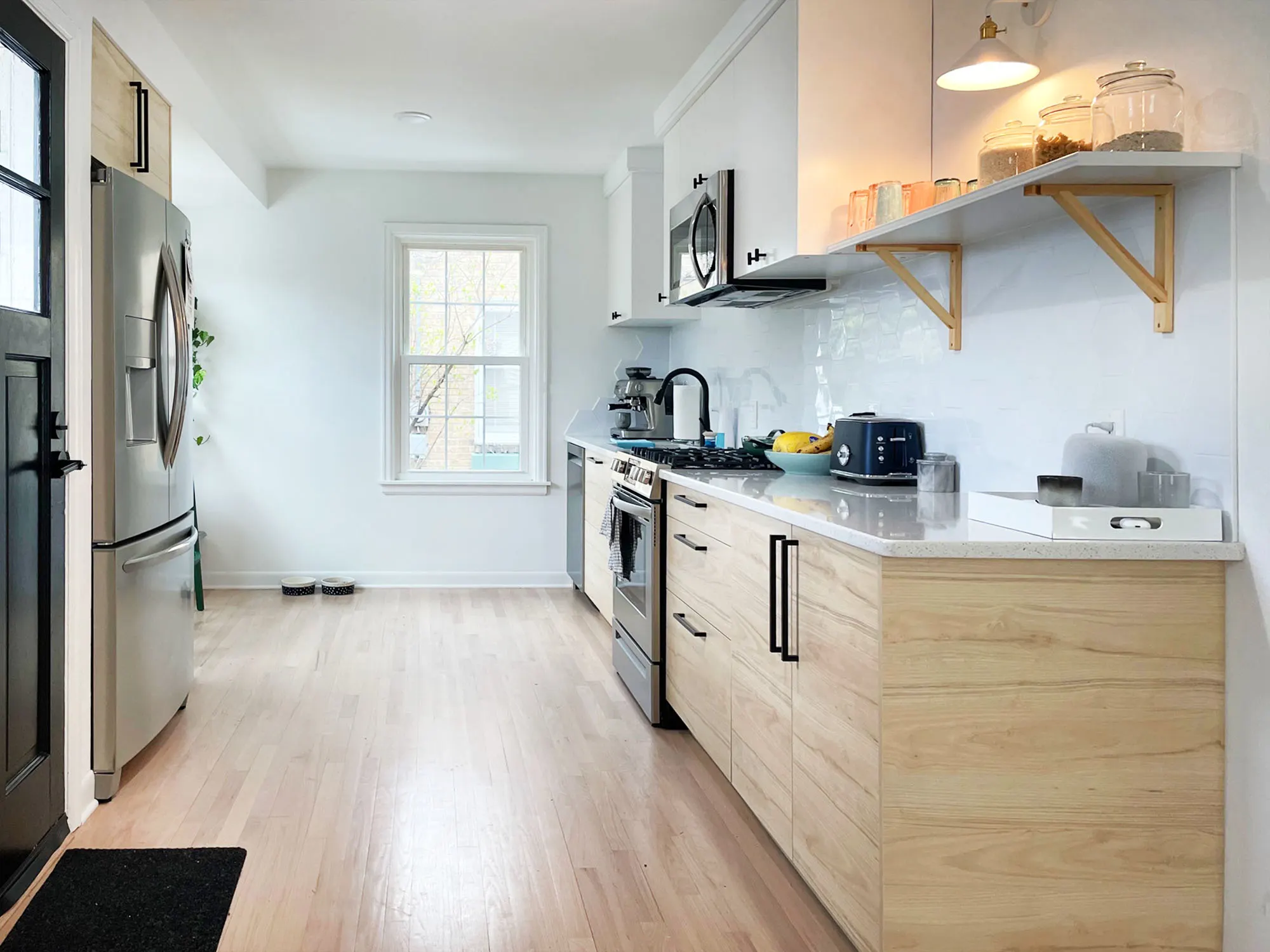
Choosing between plywood and real wood cabinets really comes down to what your kitchen needs.
Let’s break it down by a few key factors so you can confidently make the right call:
Choose Plywood Cabinets if you want:
- A cost-effective option for modern or budget-friendly kitchens
- Moisture resistance in humid environments like bathrooms or small kitchens
- Lightweight, easy-to-install cabinetry
- A clean, uniform look that pairs well with contemporary styles
Choose Real Wood Cabinets if you want:
- A premium, natural appearance with unique grain patterns
- Long-term durability and the ability to refinish over time
- A luxurious, high-end feel for traditional or statement kitchens
- To boost resale value with classic, timeless materials
FAQs
1. Do plywood cabinets look like real wood?
Yes! With high-quality wood veneers, plywood can closely mimic the appearance of real wood, offering a sleek and stylish look.
2. Are plywood cabinets suitable for bathrooms?
Absolutely. Plywood resists moisture better than solid wood, making it a smart choice for damp areas like bathrooms and laundry rooms.
3. Which material lasts longer in high-traffic kitchens?
Both materials are durable, but plywood’s resistance to warping often makes it a longer-lasting solution for busy, moisture-prone kitchens.
Conclusion
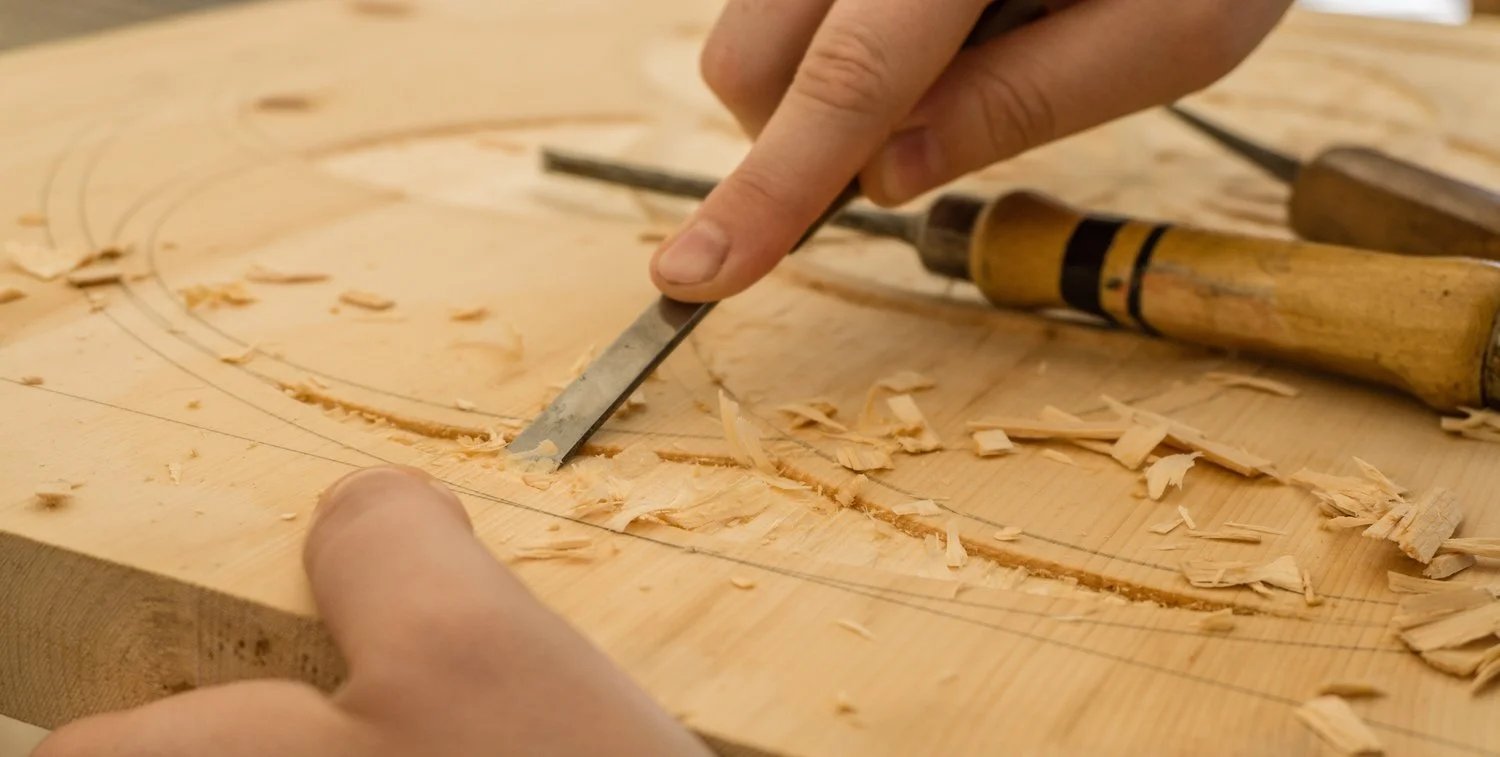
Plywood offers budget-friendly durability, while real wood brings timeless charm and value. Your perfect fit depends on your space, style, and goals.
For the best results, consult a pro and review material samples to confidently choose the right kitchen cabinet solution for your home.




 English
  Italian
  French
  German
  Spanish
  Portuguese
  Japanese
  Korean
  Russian
  Arabic
  Thai
Thai  Chinese