Updating kitchen cabinet hardware is essential for both aesthetics and functionality.
Fresh hardware can breathe new life into your kitchen, enhancing its overall appeal while improving usability.
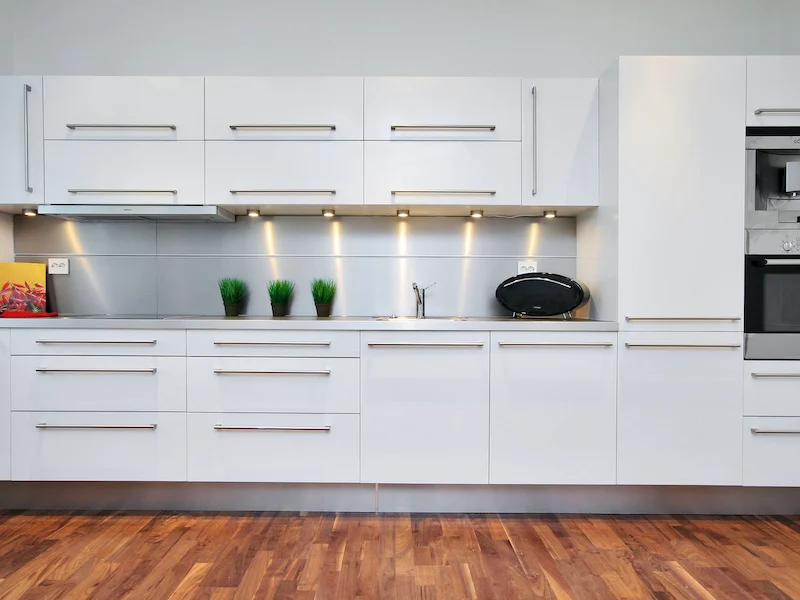
Whether you’re renovating or simply refreshing your space, new knobs, pulls, and handles can make a significant difference in your kitchen’s look and feel.
Types of Kitchen Cabinet Hardware
Understanding the different types of kitchen hardware is essential for making informed choices during your replacement process.
Each type serves a specific function and adds unique style to your cabinetry.
1. Cabinet Knobs

Cabinet knobs are typically small, round fixtures that can be attached to doors and drawers.
They come in various materials and designs, allowing you to choose a style that complements your kitchen aesthetic.
2. Cabinet Pulls
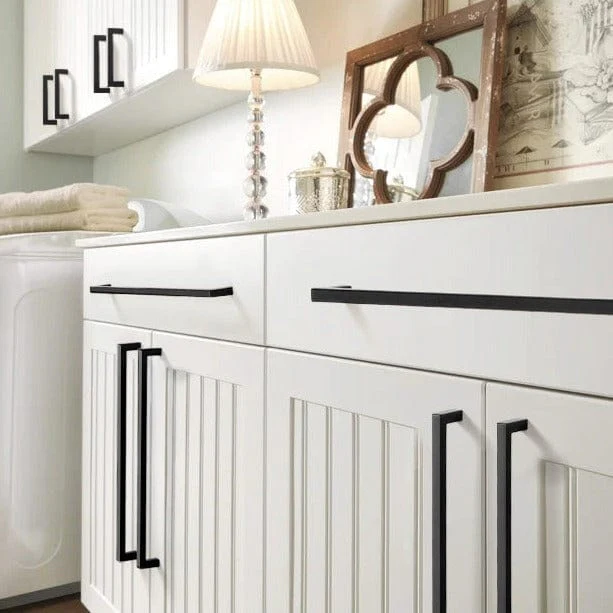
Pulls are longer than knobs and provide a better grip, making them ideal for larger drawers.
Available in many styles, they can enhance both the function and look of your cabinetry.
3. Handles

Handles offer a more substantial grip and can be mounted horizontally or vertically.
They are often used for large cabinets or appliances, providing ease of access.
4. Hinges
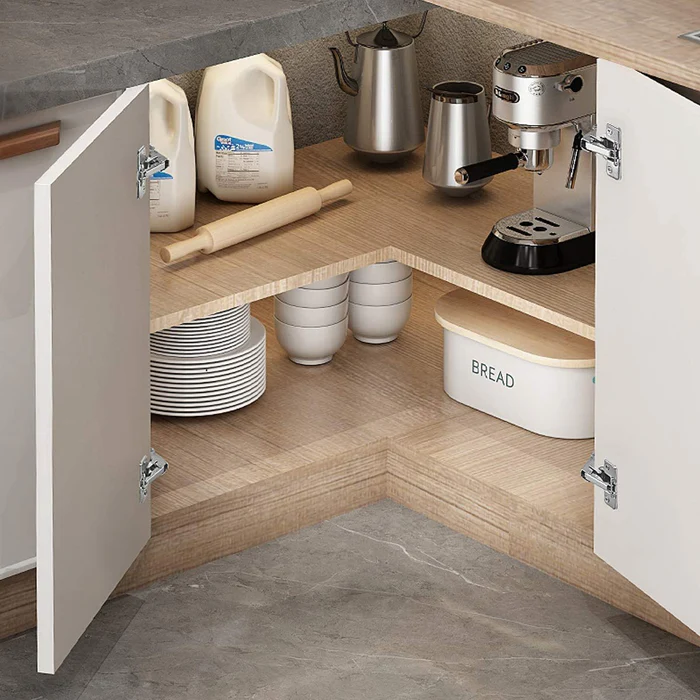
Hinges are essential for cabinet doors, allowing them to open and close smoothly.
Upgrading hinges can significantly improve the functionality of your cabinets.
5. Drawer Slides
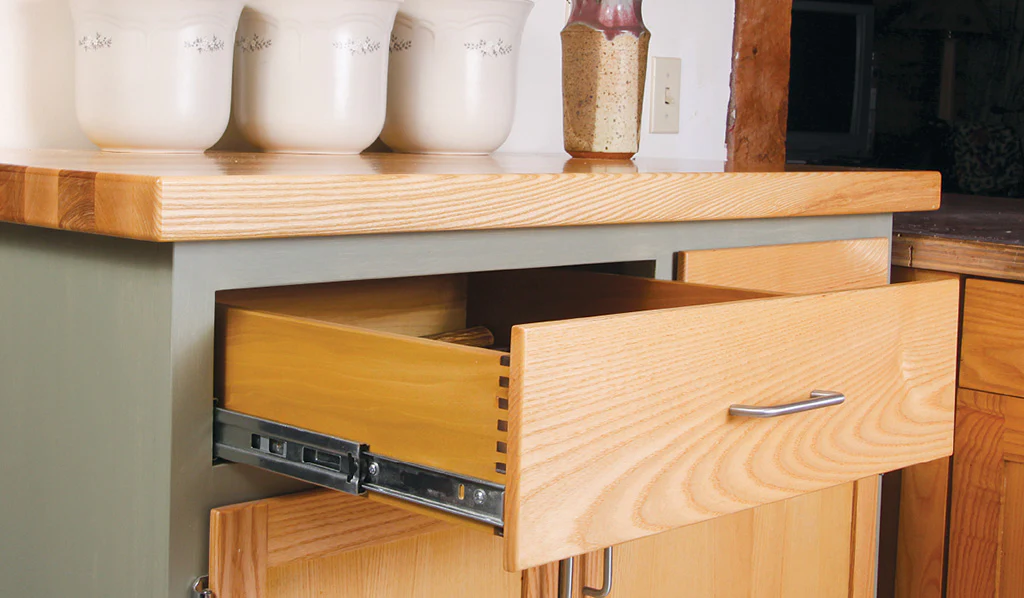
Drawer slides facilitate the smooth opening and closing of drawers.
Investing in high-quality slides can enhance the overall user experience in your kitchen.
6. Finger Pulls
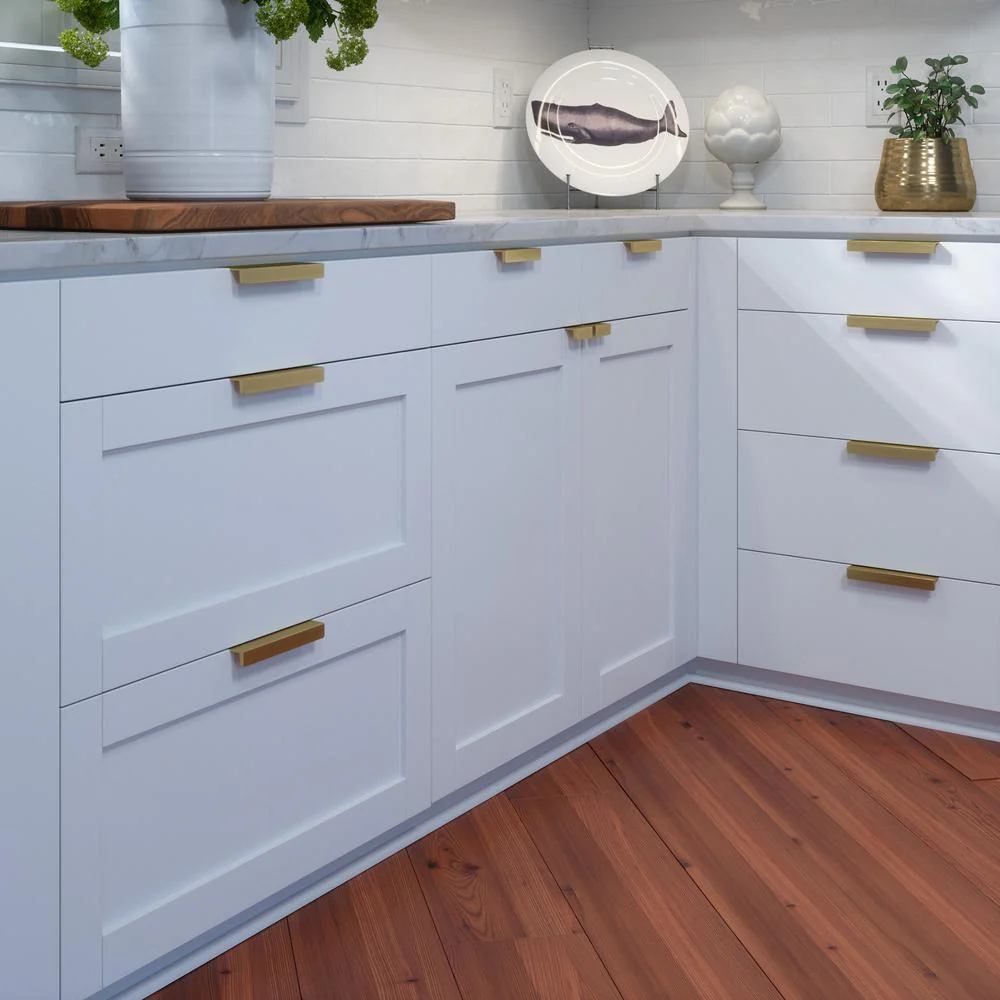
Finger pulls are minimalist options that provide a sleek look.
They are typically mounted on the top edge of cabinets, offering a clean and modern aesthetic.


Tools for Hardware Replacement

Having the right tools on hand can make replacing your kitchen hardware a straightforward process.
Here’s a quick overview of the essential tools you’ll need.
- Screwdriver
- Drill
- Measuring Tape
- Level
- Pencil
- Plumber’s Tape (optional)
How to Replace Kitchen Cabinet Hardware
Replacing kitchen hardware can significantly enhance the look and functionality of your space.
Here’s a step-by-step guide to make the process smooth:
1. Gather Your Tools
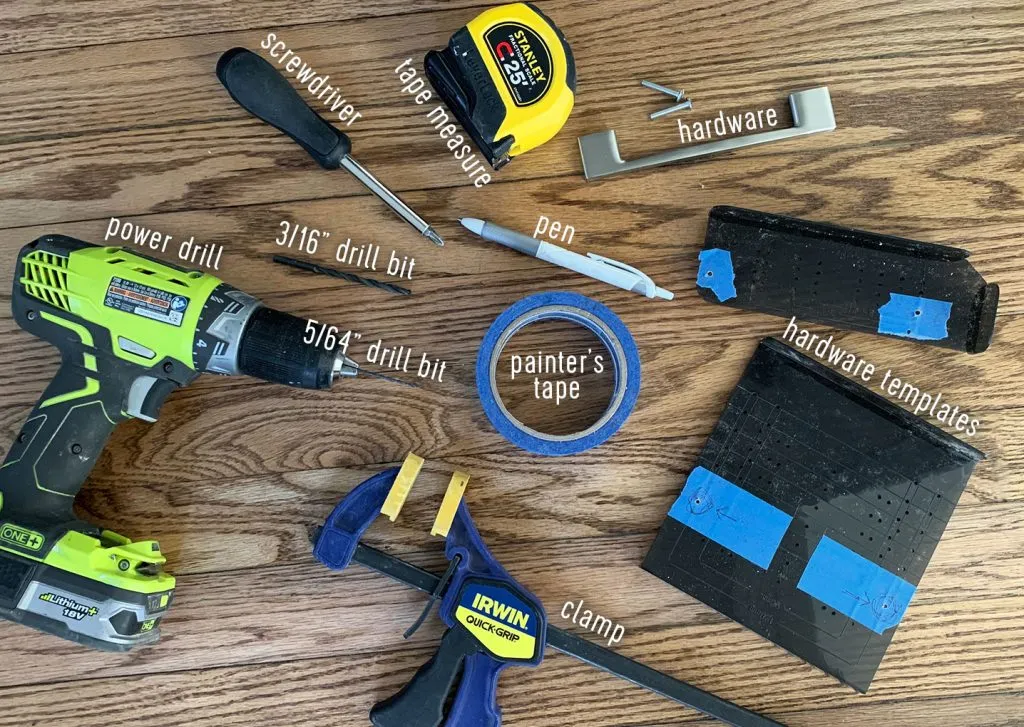
Start by collecting the necessary tools, which include a screwdriver (both flathead and Phillips), a measuring tape, a level, and possibly a drill.
Having painter’s tape on hand can also aid in achieving precise alignment.
2. Remove Old Hardware
Begin the replacement process by unscrewing the existing knobs, pulls, or hinges.
As you do this, keep the screws in a container for potential reuse if they fit the new hardware.
If the old pieces are stuck, apply a bit of force, but be careful not to damage the cabinets.
3. Prepare the Surface

Once the old hardware is removed, clean the area where it was attached.
Removing any residue or dirt ensures a smooth installation of the new pieces.
4. Measure for New Hardware

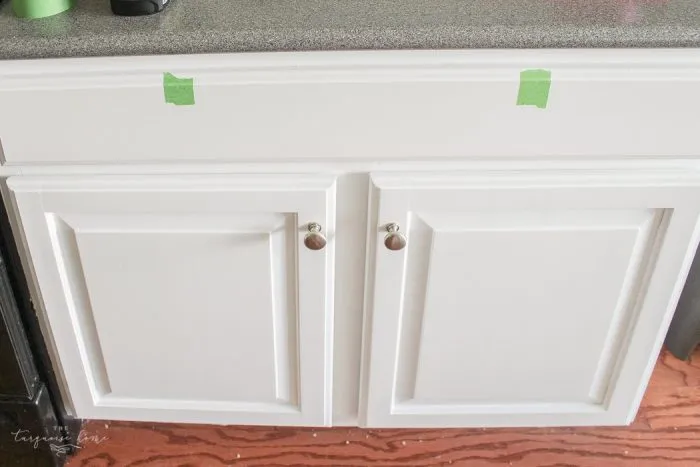
Next, use the measuring tape to determine the correct placement for the new hardware.
If you are replacing similar hardware, measure from the center of the previous holes.
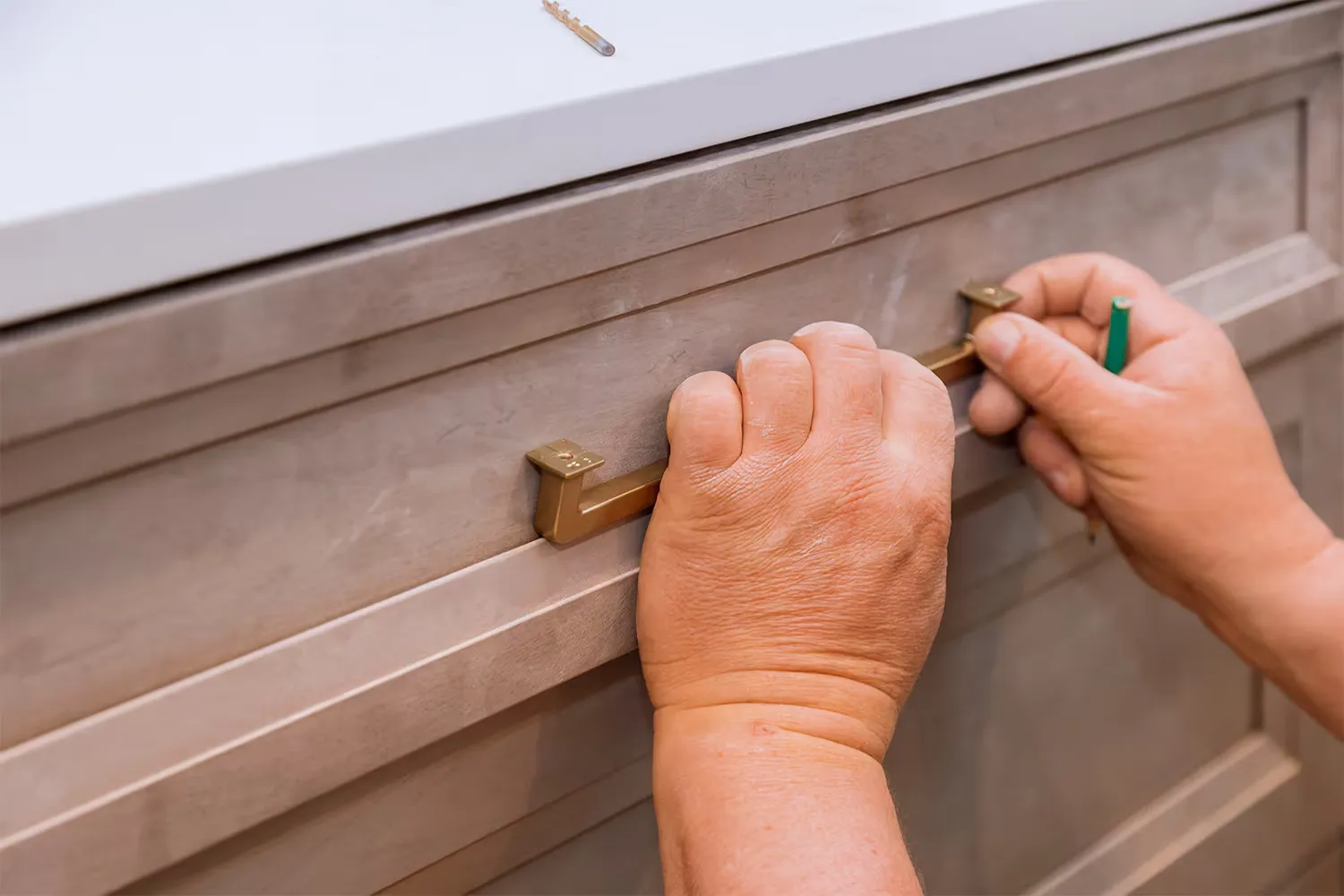
For new styles, take care to mark the new screw hole locations accurately.
5. Install New Hardware

Align the new hardware with your marks, ensuring proper placement.
For knobs, it’s best to center them both vertically and horizontally on the doors.
For pulls, position them at a comfortable height and distance from the edges.
Utilize a level to ensure everything is straight.
6. Drill New Holes if Necessary

If your new hardware requires different placements, drill new holes using an appropriately sized drill bit.
Always drill straight to avoid splintering the cabinet material.
7. Secure the Hardware

Attach the new knobs or pulls using the screws provided.
While securing them, ensure they are tight but avoid overtightening, which can strip the holes.
Maintenance of Kitchen Cabinet Hardware

Proper maintenance of your kitchen hardware not only keeps it looking new but also extends its lifespan.
Here are some essential tips to ensure your hardware remains in excellent condition.
- Regular Cleaning: Wipe down knobs and pulls regularly with a soft cloth and a mild detergent to remove dust, grease, and fingerprints.
- Material-Specific Care: Different materials require specific care; for instance, stainless steel may need a special cleaner to prevent tarnishing, while brass may benefit from a brass polish.
- Check for Loose Screws: Periodically inspect the screws on your hardware to ensure they’re tight; loose screws can lead to wobbling or detachment.
- Avoid Harsh Chemicals: Steer clear of abrasive cleaners or chemicals that can scratch or damage the finish of your hardware.
- Handle with Care: When using the hardware, avoid pulling or yanking to prevent stress on the screws and hinges.
Budgeting for Cabinet Hardware Replacement

Budgeting for kitchen hardware replacement is essential for achieving your desired look without overspending.
Start by assessing the number of items to replace and prioritizing those that are essential for both functionality and aesthetics.
Establish a realistic budget that includes hardware and installation costs, and research various retailers to compare prices.
Don’t forget to factor in additional expenses like tools, shipping fees, and professional installation if needed.
Finally, look out for seasonal sales and discounts to maximize your budget and secure the best deals.
With careful planning, you can create a stylish kitchen without financial strain.
Common Mistakes to Avoid
When replacing kitchen hardware, avoiding common pitfalls can save you time, money, and frustration.
Here are key mistakes to steer clear of.
- Neglecting Measurements
Failing to measure existing hardware or cabinet dimensions can lead to misaligned holes and incompatible sizes, resulting in a costly redo.
- Choosing Incompatible Styles
Selecting hardware that doesn’t match your kitchen’s overall style can create a disjointed look, so ensure a cohesive design.
- Ignoring Functionality
Focusing solely on aesthetics while neglecting functionality can lead to hardware that is difficult to use, especially for heavy drawers or cabinets.
- Overlooking Quality
Opting for cheap materials may save money upfront but can lead to quicker wear and tear, requiring more frequent replacements.
- Skipping Installation Instructions
Ignoring manufacturer installation instructions can result in improperly secured hardware, causing it to loosen or break over time.
Conclusion
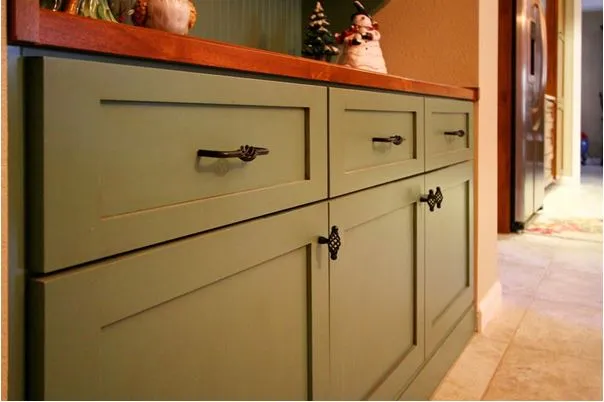
Replacing kitchen hardware is crucial for enhancing both aesthetics and functionality in your space.
New hardware can transform your kitchen’s look, making it feel modern and inviting.
Contact us for the opportunity to refresh your kitchen by choosing hardware that complements your style and meets your practical needs.




 English
  Italian
  French
  German
  Spanish
  Portuguese
  Japanese
  Korean
  Russian
  Arabic
  Thai
Thai  Chinese