| Cost Factor | Details | Cost Estimate |
|---|---|---|
| Materials | Covers the cost of paints, brushes, rollers, primers, and finishes. | $200 – $600 |
| Brush and Roller | Ideal for small projects but more labor-intensive. | $200 – $1,000 |
| Spray Painting | Requires professional setup, faster but costs more. | $400 – $7,000 |
| DIY vs. Professional | DIY saves money; professional work ensures higher quality. | $200 – $600 (DIY), $1,000+ (Professional) |
| Additional Costs | Cabinet repairs, hardware changes, protective coatings. | $100 – $800 |
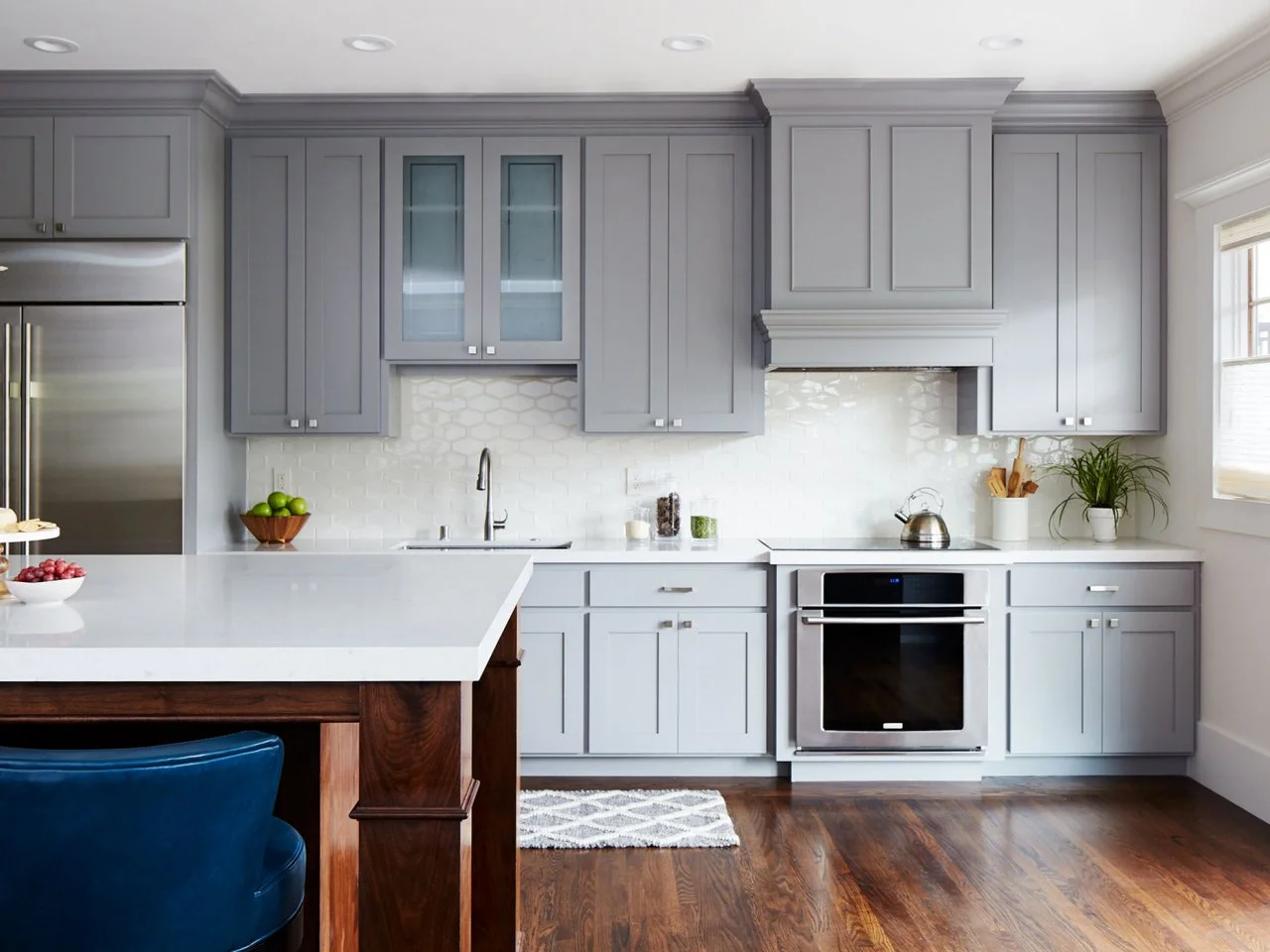
Painting kitchen cabinets is a budget-friendly alternative to replacing them, offering a refreshed look at a fraction of the cost.
Understanding key factors like materials, labor, and cabinet conditions helps in effective budgeting.
This approach boosts kitchen aesthetics and home value while ensuring affordability compared to full replacements.
Average Cost to Paint Kitchen Cabinets
The national average cost to paint kitchen cabinets ranges from $400 to $1,500.
Several factors influence this, including the size of the kitchen, cabinet design, type of paint used, and whether a professional painter is hired or it’s done as a DIY project.
High-quality paints and more intricate cabinet designs will push costs toward the higher end of the spectrum.
On the lower end, smaller kitchens and DIY efforts typically result in lower overall expenses.
Factors Affecting the Cost of Painting Kitchen Cabinets
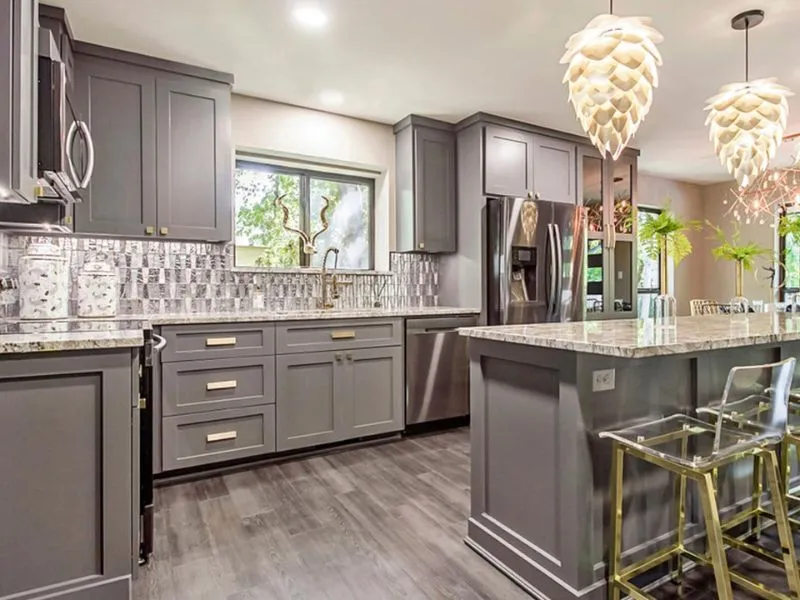
The cost to paint kitchen cabinets can vary significantly based on several respects:
1. Material Costs
The cost of materials is a significant part of the overall project.
A gallon of cabinet paint typically costs between $30 and $100, depending on the type and quality.
You’ll likely need two or more coats, meaning more paint.
One gallon usually covers 350 to 400 square feet.
Additional materials like primer, topcoat, brushes, rollers, sandpaper, and tape can add between $100 and $600 to your budget if you are doing the project yourself.
If you hire professionals, they usually provide the materials, but you still have to account for the cost of paint, which can range from $60 to $300.
2. Labor Costs
Labor costs can range from $20 to $50 per hour, with higher rates in urban areas or regions with a high cost of living.
Labor constitutes about 85% of the total expense for a professionally painted kitchen.
Depending on your kitchen size and the complexity of the job, painters might need 10 to 20 hours to complete the work, which typically includes prep time (removing old paint, sanding, etc.), painting, and cleanup.
This results in total labor costs between $400 and $1,000.
Complex jobs may extend labor hours, driving up the cost.
3. Kitchen Size
The overall size of your kitchen will determine how much paint and labor are required.
For a small kitchen, costs may range from $200 to $600.
For larger kitchens, expect to pay $1,000 or more.
Per square foot, cabinet painting generally costs between $3 and $10.
Alternatively, some professionals charge by linear foot, with prices ranging from $30 to $60 per linear foot, depending on kitchen layout and the number of cabinets.
4. Cabinet Design
The design complexity of your kitchen cabinets can significantly impact costs.
Simple, flat-paneled cabinets are easier to paint, keeping the costs lower.
However, cabinets with intricate designs, raised panels, or decorative molding require additional labor, time, and materials to achieve a smooth, high-quality finish.
This can increase costs by 10% to 20%.
Ornate cabinets may require more coats or detailed painting around the molding, leading to higher labor charges.
5. Cabinet Condition
The condition of your cabinets also plays a critical role in determining cost.
Cabinets that are in good condition will require minimal preparation, saving both time and money.
However, older cabinets or those with significant damage, such as dents, cracks, or peeling paint, will need to be repaired before painting.
Fixing damaged wood, sanding, or removing old paint adds to both material and labor costs.
Repairs can increase the total project cost by $100 to $500 or more, depending on the extent of the work required.
6. Painting Method
The method used to paint cabinets can affect both the cost and the final appearance.
Spray painting is often faster and provides a smooth, even finish but requires more paint (up to 30% more than other methods).
Renting a sprayer can cost between $40 and $120 per day, and while it saves on labor, it increases material costs.
Brush or roller painting, while more cost-effective in terms of paint, takes more time and may result in a less smooth finish.
This method could increase labor costs, depending on the number of cabinets and complexity.
7. Paint Color
Paint color plays a role in both material and labor costs.
If you are changing from a dark color to a lighter one, more coats of paint may be required to fully cover the old color.
Using a high-quality primer, which can cost around $45 per gallon, is essential for ensuring proper coverage.
Dark-to-light color transitions will likely require more coats, increasing both paint and labor costs.
Additionally, using multiple colors or custom color schemes can further raise expenses, as it may require more intricate work and attention to detail.
Cost To Paint Kitchen Cabinets By Painting Method
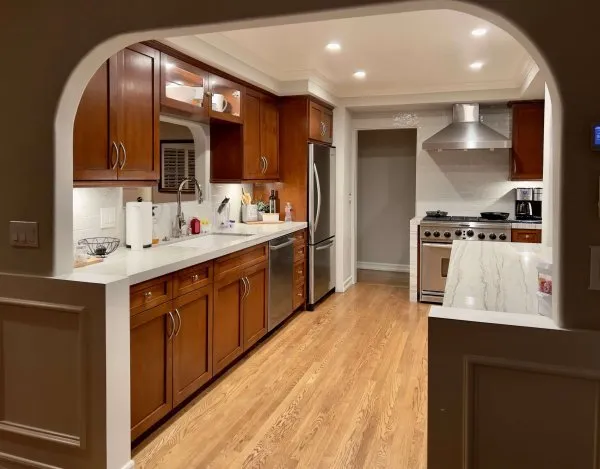
When choosing how to paint kitchen cabinets, method and expertise play a significant role in the cost.
- Brush and Roller Method: More affordable, costing between $1,000 to $3,500. It requires more labor but offers precision and control for detailed work.
- Spray Painting: Faster, providing a smoother finish, with costs ranging from $1,500 to $5,000. This method is ideal for a seamless look but may require more setup.
- DIY vs. Professional: DIY costs typically range from $200 to $600 for materials, while professionals charge between $2,000 to $7,000 for a complete job.
Cost Breakdown To Paint Kitchen Cabinets by Cabinet Type

When painting kitchen cabinets, the cost varies based on the material and type of cabinet.
Here’s a brief breakdown:
Wood Cabinets: These are easiest to paint and provide excellent results. Costs range from $3 to $10 per square foot, depending on surface condition.
Laminate Cabinets: Require special paint for adhesion, making the process more expensive, around $7 to $15 per square foot.
Veneer Cabinets: Similar to laminate but usually needs sanding before painting. The cost is comparable, around $6 to $14 per square foot.
MDF Cabinets: Medium-density fiberboard requires careful preparation but costs similar to wood, around $3 to $10 per square foot.
Metal Cabinets: Requires specialized primers and paint, costing $8 to $20 per square foot.
Additional Cost To Paint Kitchen Cabinets

When planning a kitchen cabinet painting project, there are some additional costs to consider:
#1. Repairs and Hardware Replacement
Cabinet repairs range from $140 to $500, depending on the extent of damage.
Hardware replacement, like knobs or pulls, can cost anywhere between $100 and $1,000 depending on material and style.
#2. Prep Work and Site Protection
Preparing the space involves removing appliances, cleaning, and sanding cabinets.
Ensuring proper site protection with drop cloths or plastic sheeting to cover floors, countertops, and other surfaces is crucial to prevent damage.
How to Save Money To Paint Kitchen Cabinets

When planning a cabinet painting project, there are several ways to keep costs low without compromising quality.
1. DIY Prep Work
Doing the preparation yourself, like cleaning, sanding, and removing cabinet doors, can save on labor costs.
Professionals will charge extra for this step, so handling it on your own reduces the total expense.
2. Budget-Friendly Paint Options
Opt for high-quality but affordable paint instead of expensive designer brands.
Choosing a paint that balances cost and durability ensures a long-lasting finish without overspending.
3. Shop Around for Quotes
Get multiple quotes from professional painters to compare rates.
This ensures you find the best deal without sacrificing quality.
4. Purchase Materials in Bulk
If you need paint and supplies for multiple rooms, buying in bulk can save money.
Many suppliers offer discounts for larger purchases.
5. Reuse Existing Hardware
Instead of replacing cabinet hardware, consider cleaning or repainting them.
This simple step can refresh the look of your kitchen without the added cost of new hardware.
Repainting vs. Refacing vs. Replacing Cabinets
When considering cabinet updates, the three main options differ in cost and impact.
- Repainting
The most budget-friendly option, costing between $1,000 to $7,000, depending on professional or DIY work.
It refreshes the cabinets’ look without changing their structure.
- Refacing
More costly, ranging from $4,000 to $10,000.
It involves replacing doors and drawer fronts while keeping the cabinet framework.
- Replacing
The most expensive, ranging from $5,000 to over $30,000, involves completely installing new cabinets, offering the most extensive transformation.
Conclusion
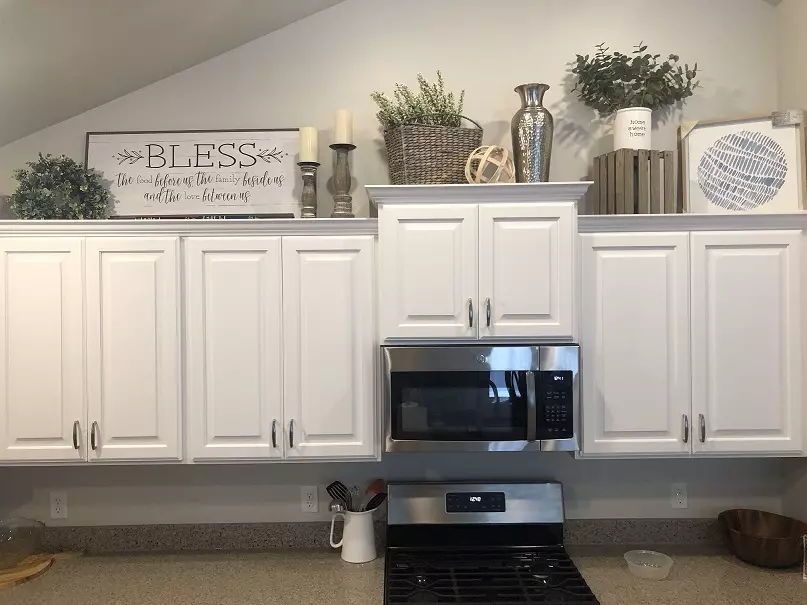
FAQs Related To the cost of painting kitchen cabinets
Is it cheaper to paint or replace cabinets?
Yes, it is significantly cheaper to paint cabinets than to replace them. Replacing cabinets can cost several thousand dollars, while painting typically costs a fraction of that.
What paint type is best for cabinets?
Semi-gloss and high-gloss paints are recommended for cabinets due to their durability and ease of cleaning. These finishes withstand the wear and tear typical in kitchens.
Do cabinets need a protective seal after painting?
Yes, applying a protective seal, like a clear coat, is recommended to protect the paint from moisture, grease, and damage.
How long does cabinet paint last?
Professionally painted cabinets can last 8-10 years, depending on the quality of materials and daily use. Proper maintenance can further extend their lifespan.
Can I paint cabinets without sanding?
While sanding ensures better paint adhesion, some primers are designed to bond to surfaces without sanding. For best results, light sanding is still recommended.
Further Reading
More Kitchen Cabinet Color Ideas
kitchen cabinet types, material and size
Complementary Elements
Others




 English
  Italian
  French
  German
  Spanish
  Portuguese
  Japanese
  Korean
  Russian
  Arabic
  Thai
Thai  Chinese